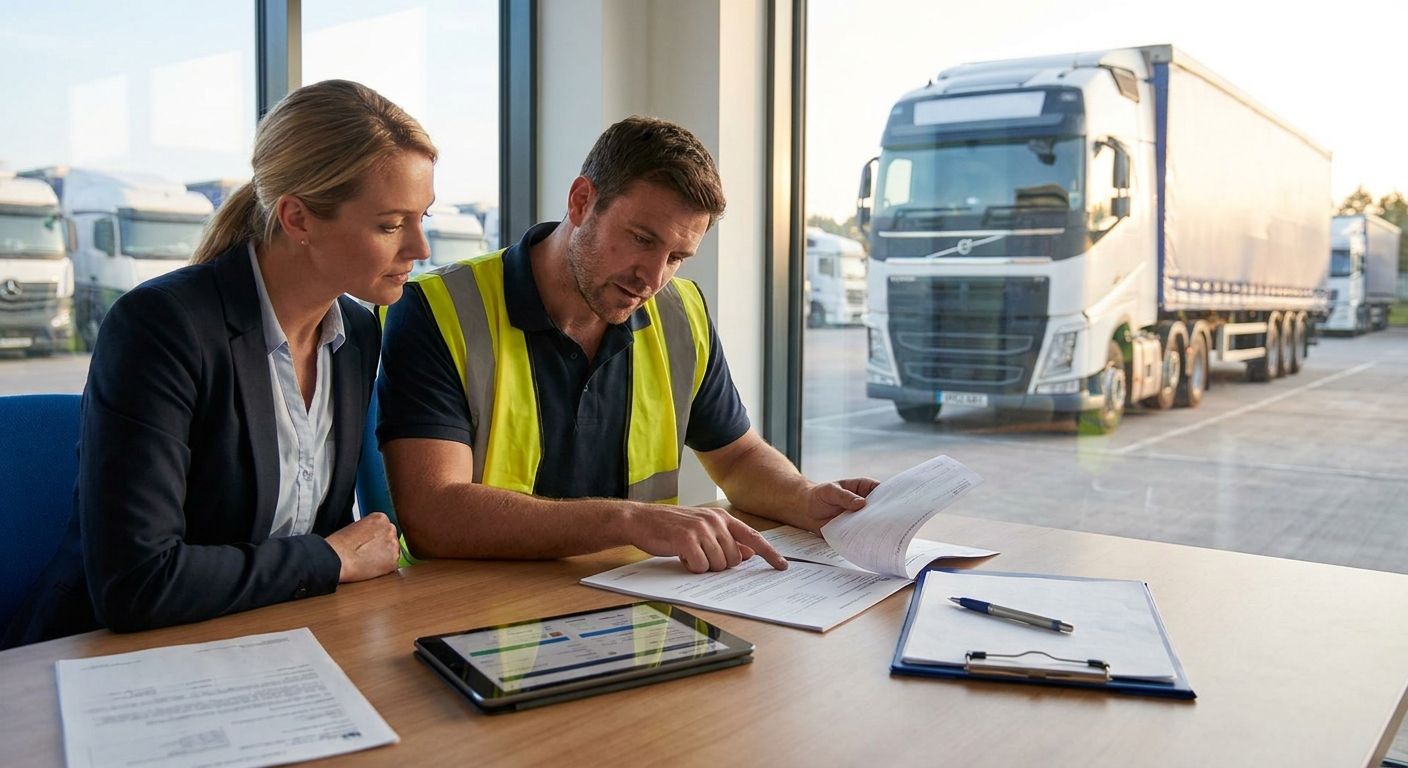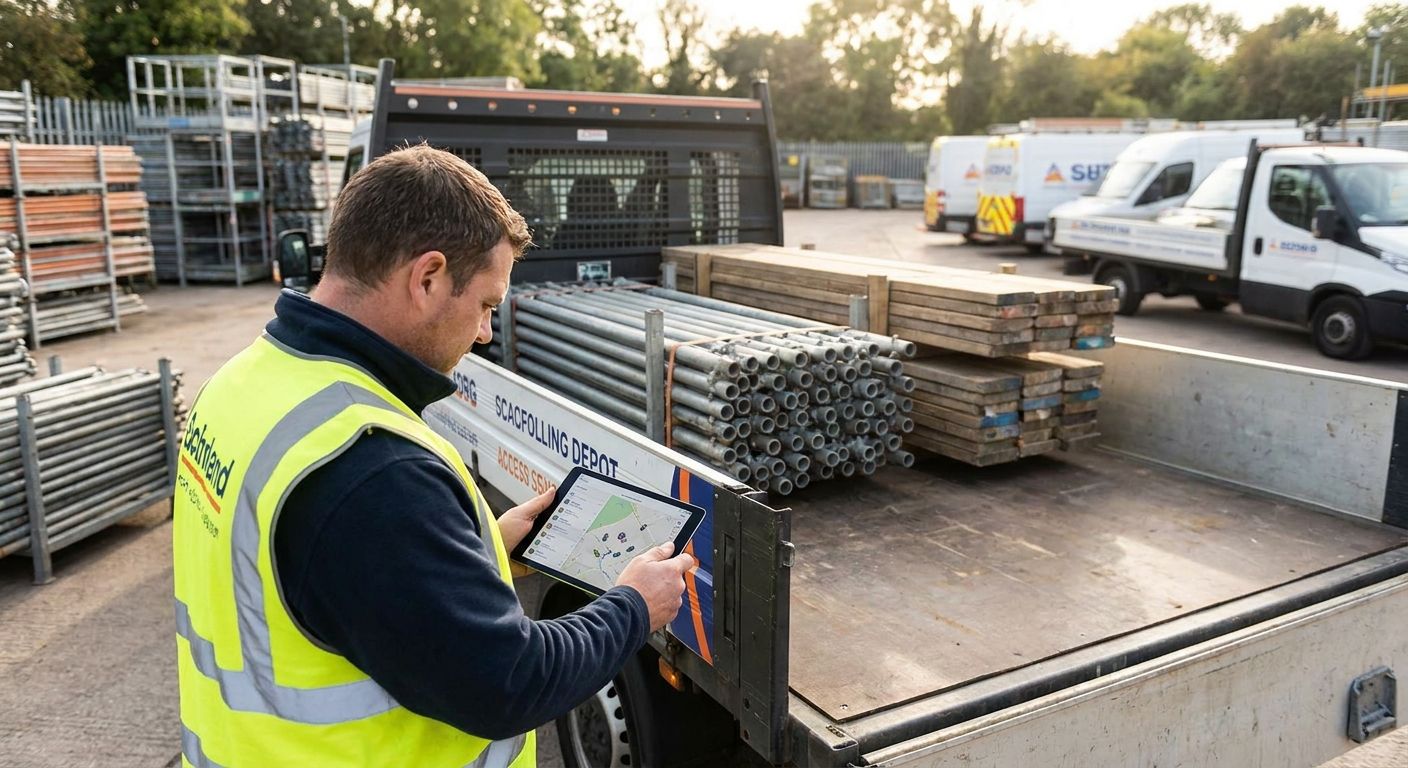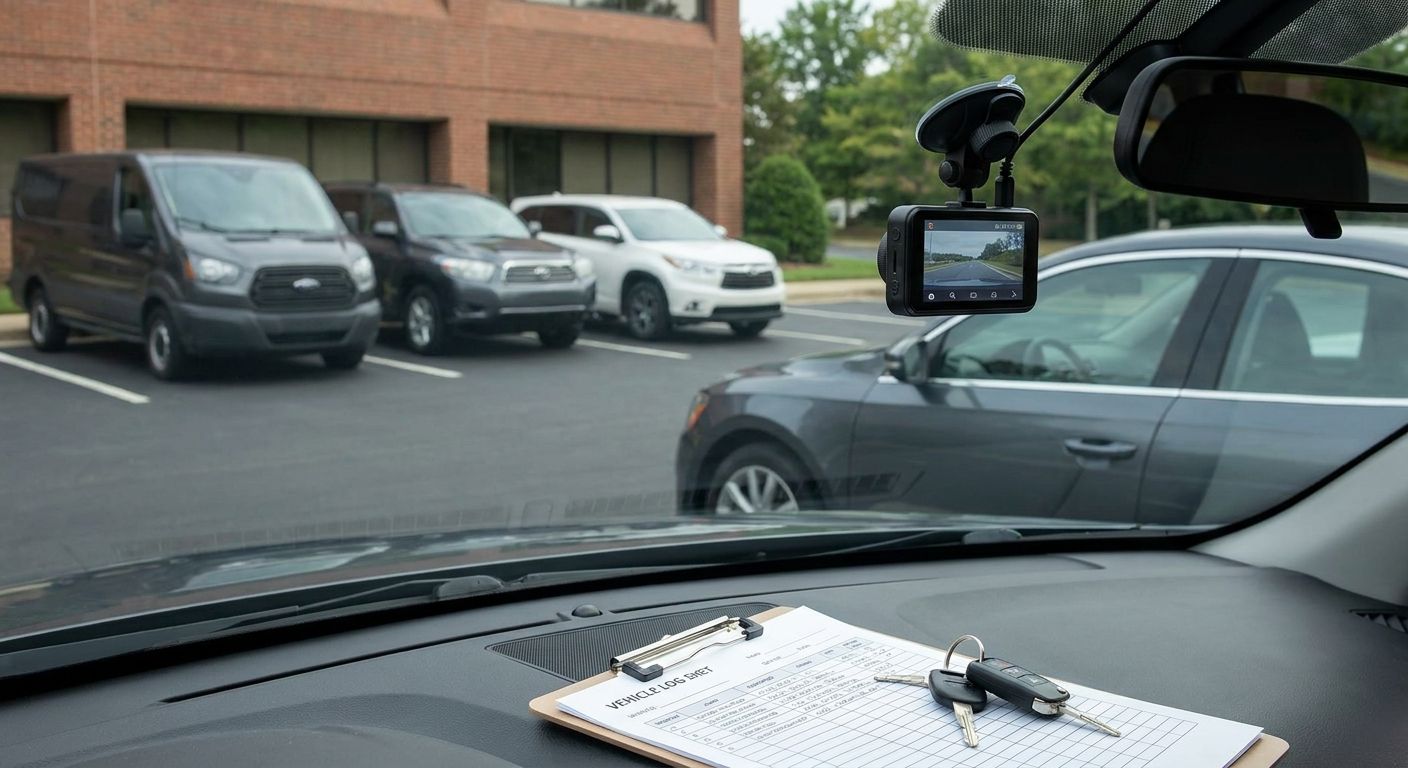

Commercial vehicle tracking for HGV operators means matching a Thatcham-rated tracker, a 4G dash cam, and driver behaviour reporting to the realities of running trucks, trailers, and multi-drop routes across the UK in 2026.
- The Thatcham S7 Tracker at £198 is the baseline for commercial vehicle tracking for HGV operators needing insurance-approved monitoring — Buy.
- Thatcham S5 Plus Tracker at £548 suits high-value cargo HGVs that need journey history and mobile app control — Consider.
- Direct Vision Standard London compliance kit at £599 is mandatory groundwork for any HGV running inside the London DVS zone in 2026 — Buy.
- 4G Fleet Dash Cams beat SD-card-only dash cams because footage streams off the vehicle before it can be lost or tampered with — Buy.
Why this matters
HGVs carry higher insurance premiums, higher theft value, and more regulatory exposure than a van or car fleet. A tracker that's fine for a courier van won't satisfy an insurer underwriting a 44-tonne artic carrying a £60,000 load, and a dash cam that only saves to an SD card gives you nothing if the cab is stolen with the card still in it.
Crystal Ball builds its HGV tracking stack around Thatcham-approved hardware, 24/7/365 monitoring, and driver-level reporting — the three things insurers and traffic commissioners actually check when an HGV operator's licence or premium comes up for renewal.
Who this is for
This guide is for fleet managers and transport managers running five or more HGVs, lorries, or artics who need commercial vehicle tracking for HGV operators that satisfies insurance underwriters, supports Operator Licence compliance, and gives dispatch real-time visibility on multi-drop routes. If you're tracking a handful of company cars, the criteria below are overkill — go look at car or van tracking instead.
What to look for in commercial vehicle tracking for HGV operators
Thatcham security rating
Insurers price HGV premiums against Thatcham category, and the gap between an S5 and an S7 rating changes what your policy actually covers. S7 gives you 24/7/365 monitoring and remote immobilisation groundwork; S5 adds driver identification and additional theft-detection layers that some fleet insurers now require for vehicles over 3.5 tonnes. Get the rating wrong and you'll find out at claim time, not before.
Real-time GPS with geofencing
An HGV off its planned route by more than a few miles is either a traffic diversion or a theft in progress, and you need to know which within minutes, not at end of day. Geofence alerts around depots, ports, and customer sites flag unauthorised movement immediately, which matters more on a 44-tonne unit than on a transit van because the recovery window before a load gets stripped is shorter.
Driver behaviour and Driver ID
Harsh braking, idling time, and speeding events on an HGV cost more per incident than on a car — fuel burn, tyre wear, and insurance claims scale with vehicle weight. Driver ID data also lets you prove who was behind the wheel for any given trip, which matters for both insurance disputes and Operator Licence audits.
4G dash cam coverage
A dash cam that only writes to a local SD card is useless the moment the cab is broken into, because the card disappears with the footage. 4G Fleet Dash Cams stream footage off the vehicle in real time, so an incident clip exists somewhere other than the vehicle itself — the difference between having evidence for an insurance claim and having nothing.
Direct Vision Standard compliance
Any HGV operating inside the London DVS zone in 2026 needs a star rating and, below the top rating, a Safe System kit including sensors, cameras, and warning systems. This isn't optional if you run into London — it's an enforcement condition, and TfL fines operators that show up without valid compliance documentation.
Trailer and asset tracking
Trailers get decoupled at depots, ports, and customer yards, and a tracker on the cab tells you nothing once the trailer is parked somewhere else. Separate asset tracking on the trailer itself closes that gap, particularly for operators running drop-and-swap trailer pools.
Top picks for HGV operators
Thatcham S7 Tracker — the baseline pick. UK insurance approved with 24/7/365 monitoring centre coverage and nationwide on-site installation, priced at £198. This is the minimum spec most fleet insurers will accept for an HGV in 2026. Verdict: Buy.
Thatcham S5 Plus Tracker — the high-value cargo pick. Adds mobile app journey history and driver card functionality on top of the same 24/7/365 monitoring, at £548. Worth the jump if you're carrying loads that push your excess or your insurer flags the vehicle class as higher risk. Verdict: Consider.
4G Fleet Dash Cams — the evidence pick. Real-time footage streaming replaces the SD-card-only setup that fails exactly when you need it. This is the one upgrade that pays for itself the first time a false liability claim gets dropped because footage exists. Verdict: Buy.
Direct Vision Standard London compliance kit — the regulatory pick. At £599, this covers the sensors and camera setup needed to keep an HGV legally operating inside London's DVS zone. Skip it only if your routes never touch Greater London. Verdict: Buy if London-bound, Skip if not.
360° Vehicle CCTV — the blind-spot pick. Full-perimeter camera coverage removes the driver's biggest visibility gap on a long rigid or artic, particularly around low-speed manoeuvres near pedestrians and cyclists. Verdict: Consider, especially alongside a DVS compliance push.
What to avoid
- Non-Thatcham consumer trackers. They look cheaper on paper but most fleet insurers won't recognise them for premium discounts, so you pay full rate anyway.
- SD-card-only dash cams. Footage that lives only on the vehicle is footage you lose exactly when a theft or collision makes you need it.
- A single GPS feed with no driver behaviour layer. Location data alone tells you where the truck is, not why fuel costs or insurance claims are climbing — you need the behaviour data to actually fix anything.
Verdict comparison
| Solution | Best for | Key spec | Price | Verdict |
|---|---|---|---|---|
| Thatcham S7 Tracker | Baseline insurance approval | 24/7/365 monitoring centre | £198 | Buy |
| Thatcham S5 Plus Tracker | High-value cargo HGVs | Mobile app + journey history | £548 | Consider |
| 4G Fleet Dash Cams | Live incident evidence | Real-time 4G streaming | Priced on request | Buy |
| Direct Vision Standard kit | London-operating HGVs | DVS star rating compliance | £599 | Buy if London-bound |
| 360° Vehicle CCTV | Blind-spot elimination | Full-perimeter camera coverage | Priced on request | Consider |



FAQ
What's the best commercial vehicle tracking for HGV operators in 2026?
A Thatcham S5 or S7 tracker paired with a 4G dash cam is the working baseline for HGV operators in 2026. The tracker satisfies insurers; the dash cam gives you evidence that survives a theft or collision.
Is Thatcham S7 or S5 better for HGVs?
S5 adds driver identification and extra theft-detection layers on top of S7's monitoring, making it the stronger fit for higher-value cargo. S7 at £198 is still the accepted baseline for most fleet insurance policies.
How much does HGV vehicle tracking cost in 2026?
Thatcham-approved trackers for HGVs run from £198 for an S7 unit up to £548 for an S5 Plus unit in 2026. Dash cams and CCTV systems are typically priced on request based on fleet size.
Do I need Direct Vision Standard compliance for my HGV fleet?
Yes, if any HGV in your fleet operates inside Greater London's DVS zone. A compliance kit runs around £599 and covers the sensors and cameras required by the Safe System.
Can trailers be tracked separately from the cab?
Yes, asset and trailer tracking runs independently of the cab tracker and stays active once a trailer is decoupled at a depot or customer site. This matters for operators running drop-and-swap trailer pools.
Does a 4G dash cam lower HGV insurance premiums?
Dash cam footage speeds up liability disputes and can reduce false claim payouts, which insurers factor into renewal pricing. The tracker's Thatcham rating has a more direct effect on the quoted premium itself.
What's the difference between driver behaviour monitoring and Driver ID?
Driver behaviour monitoring scores events like harsh braking and idling; Driver ID confirms which specific driver was behind the wheel for a given trip. Fleets running shared HGVs need both to make the data actionable.
How many cameras does 360° HGV CCTV typically need?
Full-perimeter coverage on a rigid or artic usually needs cameras at the front, rear, and both sides to remove blind spots around low-speed manoeuvres. Coverage is quoted per vehicle configuration rather than a fixed unit count.
One last thing
The DVS zone enforcement in London doesn't check your tracker or your dash cam — it checks your star rating and Safe System documentation specifically, so an HGV operator can have excellent commercial vehicle tracking and still get fined for missing the one compliance kit that has nothing to do with GPS at all. Sort DVS first if London is anywhere on your routes in 2026, then build the tracking and dash cam stack around it.