Farm vehicles sit in yards overnight, work fields with patchy 4G, and rack up more mileage in a season than most SME vans manage in a year — this guide ranks the GPS fleet tracking setups that actually hold up on a working farm in 2026.
- Thatcham S7 trackers are the safe pick for tractors and combines left in remote yards overnight through 2026.
- HGV-rated tracking beats van-grade kit for grain lorries and livestock transporters on long rural routes.
- Skip sub-£50 consumer trackers on trailers and bowsers — no tamper alert, no Thatcham rating, no claim support.
- 4G dash cams cut liability disputes on narrow lanes as much as they deter theft.
- Best gps fleet tracking for agriculture and farm vehicles pairs Thatcham-rated units with HGV and small-fleet tracking, not one generic device.
Why this matters
Agricultural theft doesn't look like van theft. A grain trailer parked on a headland for three days carries a different risk profile to a courier van outside a depot overnight. Tractors, combines and self-propelled sprayers routinely carry resale values that rival a family car, and they're regularly left unattended during the 2026 harvest window while crews move between fields.
Insurers have noticed. Cover on high-value farm machinery increasingly requires a Thatcham-rated device, not a basic GPS dongle bought online. Agricultural fleet tracking has to account for weak rural signal, long idle periods between jobs, and mixed fleets running quad bikes, pickups and 44-tonne grain artics out of the same yard. Fleet managers running that spread of vehicles often start with Crystal Ball's Thatcham-approved trackers on the high-value kit, then extend tracking down to pickups and vans once the insurance-critical machines are covered.
How this list is ranked
This list ranks tracking and security options by the risk profile of the vehicle, not by a generic spec sheet. A £198 tracker on a £15,000 pickup is overkill; the same unit on a £120,000 combine is underinsurance waiting to happen. Each verdict weighs theft exposure while the vehicle sits idle, insurer requirements for that vehicle class in 2026, and how the connectivity holds up across fields and rural roads where signal drops out. Where a vehicle type needs an HGV-specific or asset-specific approach, that gets flagged rather than forced into a one-size tracker.
The ranked list
1. Tractors, combines and self-propelled sprayers — the safe pick
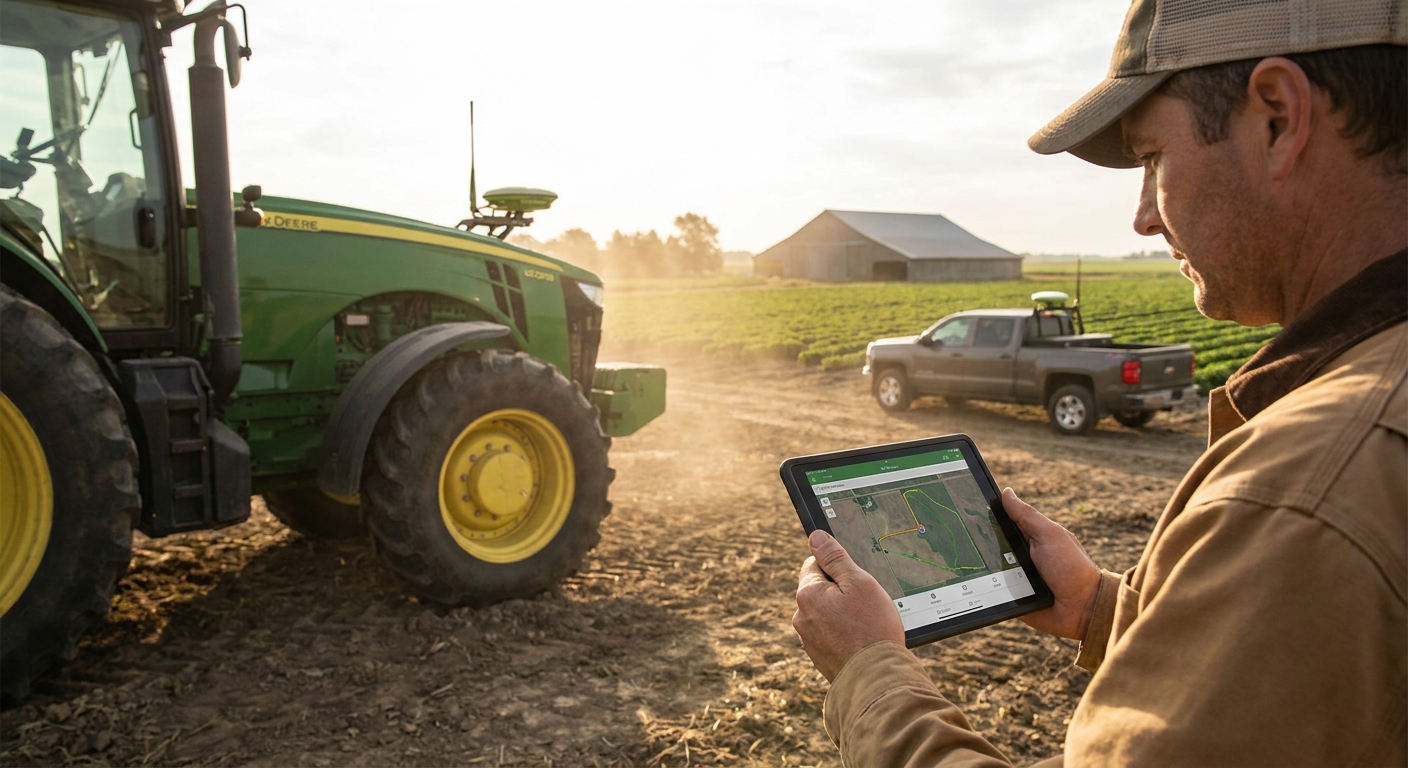
A Thatcham S7 tracker costs £198 and covers the baseline insurer requirement for insurance-recognised, immobiliser-linked tracking; the Thatcham S5 Plus at £548 adds extra verification for machines above a higher value bracket. Both combine GPS with a secondary detection method, so a jammed satellite signal — a known workaround used by organised farm machinery theft gangs — doesn't leave the tractor untraceable.
Fitted correctly, these units report location and unauthorised movement to a 24/7/365 monitoring centre, not just an app on someone's phone. Harvest 2026 sees this kit parked in the open on headlands and yards for days at a stretch, exactly when it's most exposed.
Verdict: Buy. Fit Thatcham-approved trackers for high-value fleet vehicles rather than an aftermarket GPS dongle on anything over a five-figure value.
2. Grain lorries, livestock transporters and farm HGVs — the workhorse pick
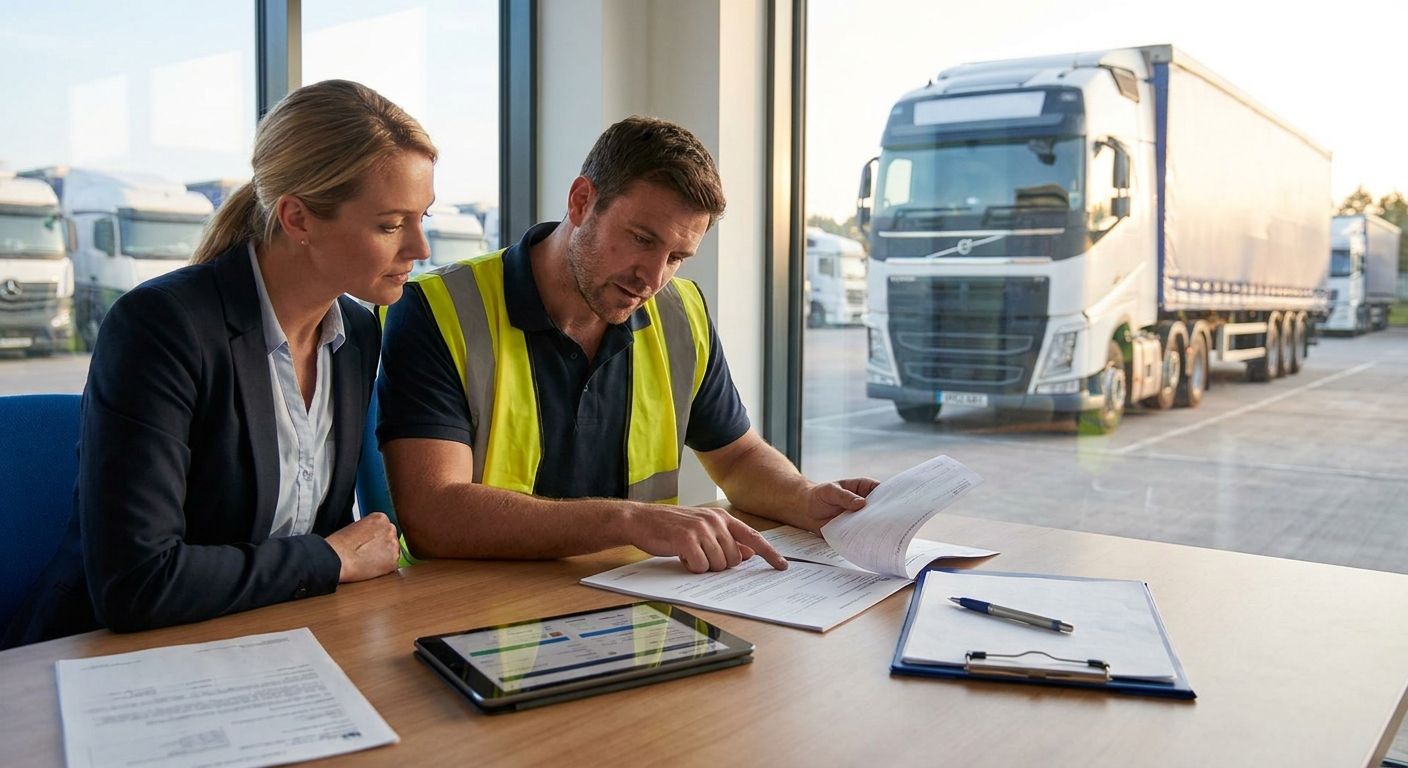
Farm HGVs haul grain, livestock and bulk feed across routes an ordinary van tracker wasn't built to log — axle weights, driving hours and multi-drop collections all need HGV-rated hardware rather than a relabelled van unit.
Fuel and haulage costs climbing through 2026 make route optimisation worth more than the tracker's list price inside a single season, especially on multi-drop grain runs during harvest.
Verdict: Buy. Go with vehicle tracking devices for HGV fleets built for tachograph-linked reporting, not van-tier kit in a bigger cab.
3. Trailers, livestock trailers and bowsers left on-site — the exposed pick
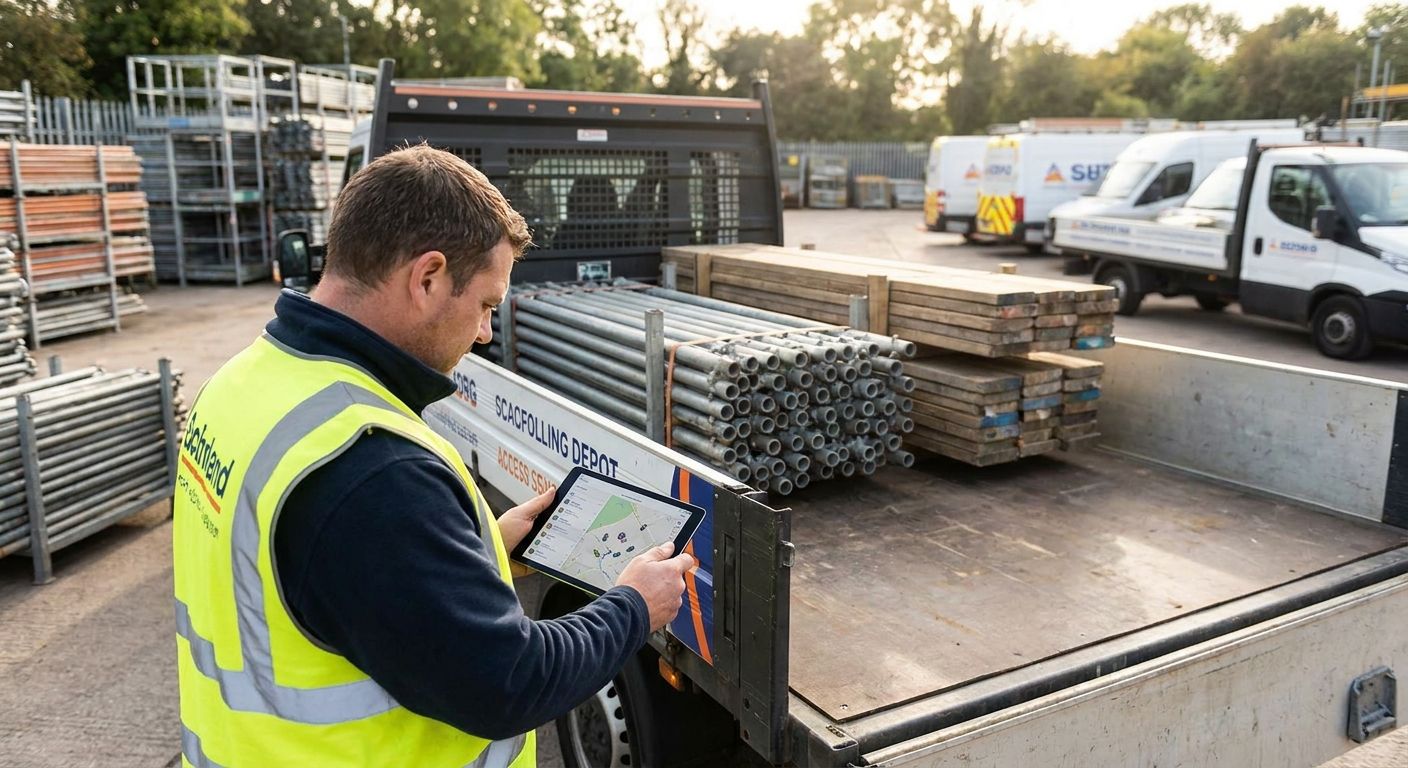
A grain trailer or diesel bowser left on a remote field has no ignition to trigger a tracker and often no mains power nearby, so it needs a standalone, battery-powered asset tracker rather than a vehicle-fitted unit.
Geofence alerts fire the moment the trailer moves outside a set radius, which matters more for unpowered kit than for anything with an engine. Trailer and static plant theft has followed the same pattern for years as tracking built for construction plant and equipment — the hardware suits a bowser or generator just as well as a digger.
Verdict: Consider. Fit asset tracking on anything left stationary overnight without an ignition to key off.
4. Farm pickups, quad bikes and everyday site vehicles — the everyday pick
Pickups and quads move between yard, field and market in short hops, so it's tempting to fit them with the same tracker as a single delivery van — for most farms, that's the correct call, not a compromise.
Entry-level GPS tracking for a small fleet gives location history and geofencing without any HGV-grade features nobody on a farm pickup needs. Insurance renewals through 2026 increasingly ask for proof of tracking on any vehicle over a set value, quads and pickups included.
Verdict: Buy. Treat pickups and quads as a small fleet, not a special case requiring bespoke hardware.
5. Sub-£50 consumer GPS trackers — the wildcard
A £30 plug-in tracker bought online looks like it does the same job as a Thatcham-rated unit, and for a personal car on a driveway it might. On a combine parked on a headland overnight, it carries no Thatcham S5 or S7 certification, has no tamper alert, and won't stand up as evidence for an insurance claim.
Verdict: Skip. The saving on a £30 tracker disappears the first time a claim gets challenged.
“The saving on a £30 tracker disappears the first time a claim gets challenged.”
6. 4G dash cams for narrow lanes and shared tracks — the underrated pick
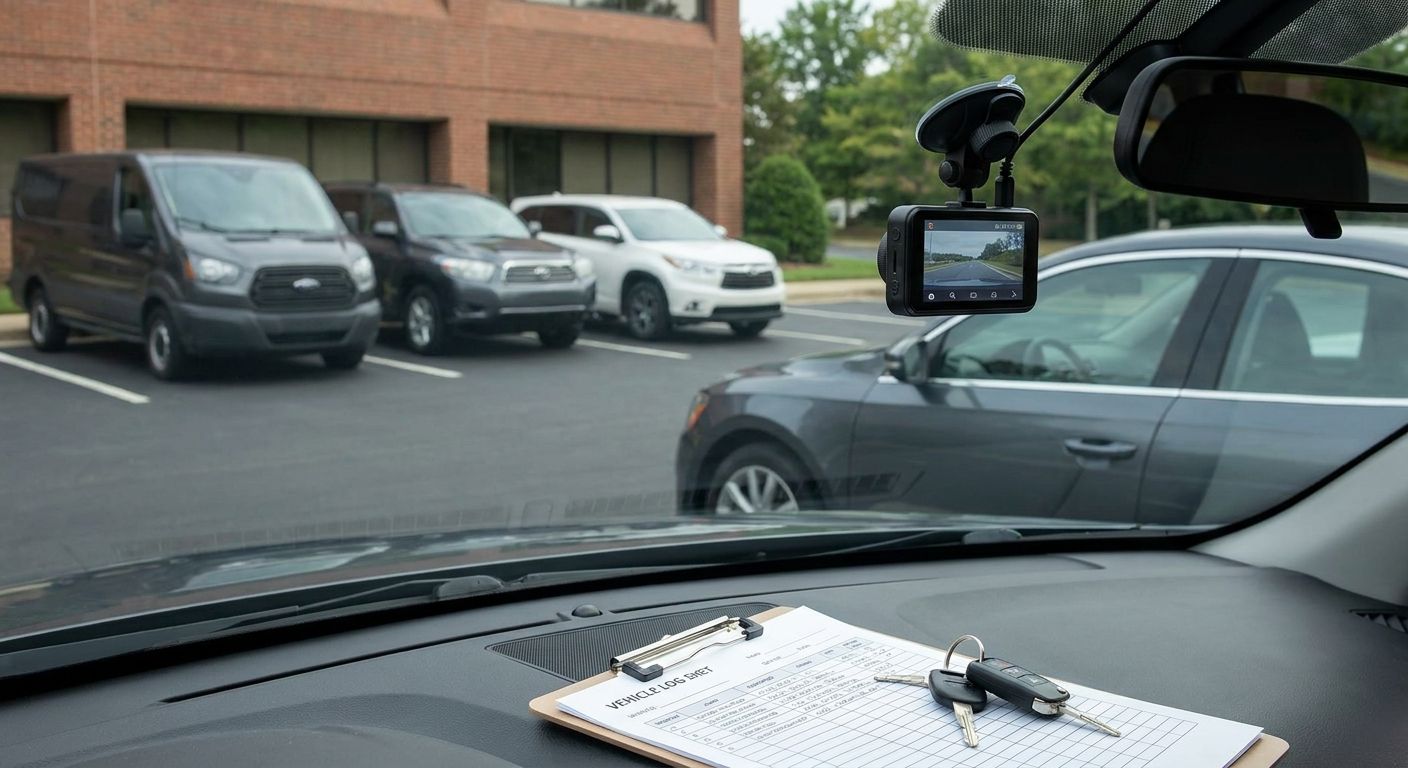
Farm vehicles share single-track lanes, farm gates and public rights of way with cyclists, walkers and oncoming traffic, and liability disputes after a scrape are common. A 4G dash cam captures footage in real time rather than storing it locally where it can be lost or overwritten before anyone reviews it.
Footage from a 4G dash cam feeds straight back for review, which speeds up insurance claims and cuts contested liability arguments after an incident on a blind bend.
Verdict: Buy. Worth fitting alongside tracking, not instead of it, on any vehicle regularly using public roads.


At a glance
| Vehicle type | Recommended tracking | Key feature | Verdict |
|---|---|---|---|
| Tractors, combines, sprayers | Thatcham S7 / S5 Plus tracker | Insurance-approved, 24/7/365 monitoring | Buy |
| HGVs, grain lorries, livestock transporters | HGV-rated commercial tracking | Route optimisation, load-specific reporting | Buy |
| Trailers, bowsers, static plant | Standalone asset tracker | Geofence alert without ignition | Consider |
| Pickups, quads, site vehicles | Small fleet GPS tracking | Location history, geofencing | Buy |
| Sub-£50 consumer trackers | None recommended | No Thatcham rating, no tamper alert | Skip |
| Shared lanes, public liability | 4G dash cam | Real-time footage, faster claims | Buy |
Where to buy
- Buy Thatcham-rated trackers only through an approved installer network — self-fit kits bought from marketplaces don't qualify for insurer discounts, whatever the listing claims.
- Confirm the connectivity spec covers rural blackspots before signing a 2026 contract; a tracker that drops signal in a valley isn't tracking anything while it's dark.
- Ask whether installation, the monitoring centre fee and the app are bundled into the quoted unit price, or billed separately once the first year ends. Crystal Ball fits its Thatcham S5 and S7 trackers with nationwide installation and the monitoring centre included in the price shown.
FAQ
What is the best gps fleet tracking for agriculture and farm vehicles in 2026?
There isn't one device that covers a whole farm fleet in 2026 — Thatcham S7 or S5 Plus trackers suit high-value tractors and combines, HGV-rated tracking suits grain lorries, and standalone asset trackers suit trailers and bowsers with no ignition.
Do farm tractors need a Thatcham-approved tracker?
Most insurers ask for a Thatcham-rated tracker on tractors and combines above a certain value in 2026, since it combines GPS with a secondary detection method that survives signal jamming.
Is GPS tracking worth it for a small farm with one or two vehicles?
Yes — entry-level GPS tracking for a small fleet gives location history and geofencing on a couple of pickups or vans without paying for HGV-grade features you won't use.
How much does a Thatcham S7 tracker cost?
A Thatcham S7 tracker costs £198, with 24/7/365 monitoring and nationwide installation typically included in that price as of 2026.
Can you track a trailer or bowser that has no ignition?
Yes — trailers, livestock trailers and bowsers need a standalone, battery-powered asset tracker rather than a vehicle-fitted GPS unit, since there's no ignition to trigger tracking.
Are consumer GPS trackers good enough for farm vehicles?
No — sub-£50 consumer trackers carry no Thatcham S5 or S7 certification and no tamper alert, so insurers won't recognise them and a stolen-vehicle claim is harder to support.
Do 4G dash cams help with farm vehicle insurance?
Yes — 4G dash cam footage speeds up claims and cuts contested liability disputes after incidents on shared lanes, which matters as much for public road use as theft deterrence.
What's the difference between HGV tracking and standard van tracking for farm vehicles?
HGV tracking accounts for axle weights, driving hours and multi-drop routes that grain lorries and livestock transporters run, while standard van tracking is built for lighter, shorter-hop vehicles like pickups.
One last thing
Organised tractor theft gangs increasingly use GPS jammers, which is precisely why Thatcham S7 and S5 ratings require a second verification method — radio frequency or driver recognition — rather than relying on satellite positioning alone. A combine that's only protected by plain GPS can look perfectly safe on the app right up until it's gone. Pair Crystal Ball's Thatcham-rated tracking with a 4G dash cam on any machine that also does road miles in 2026, and the theft protection and the liability protection stop being two separate purchases.