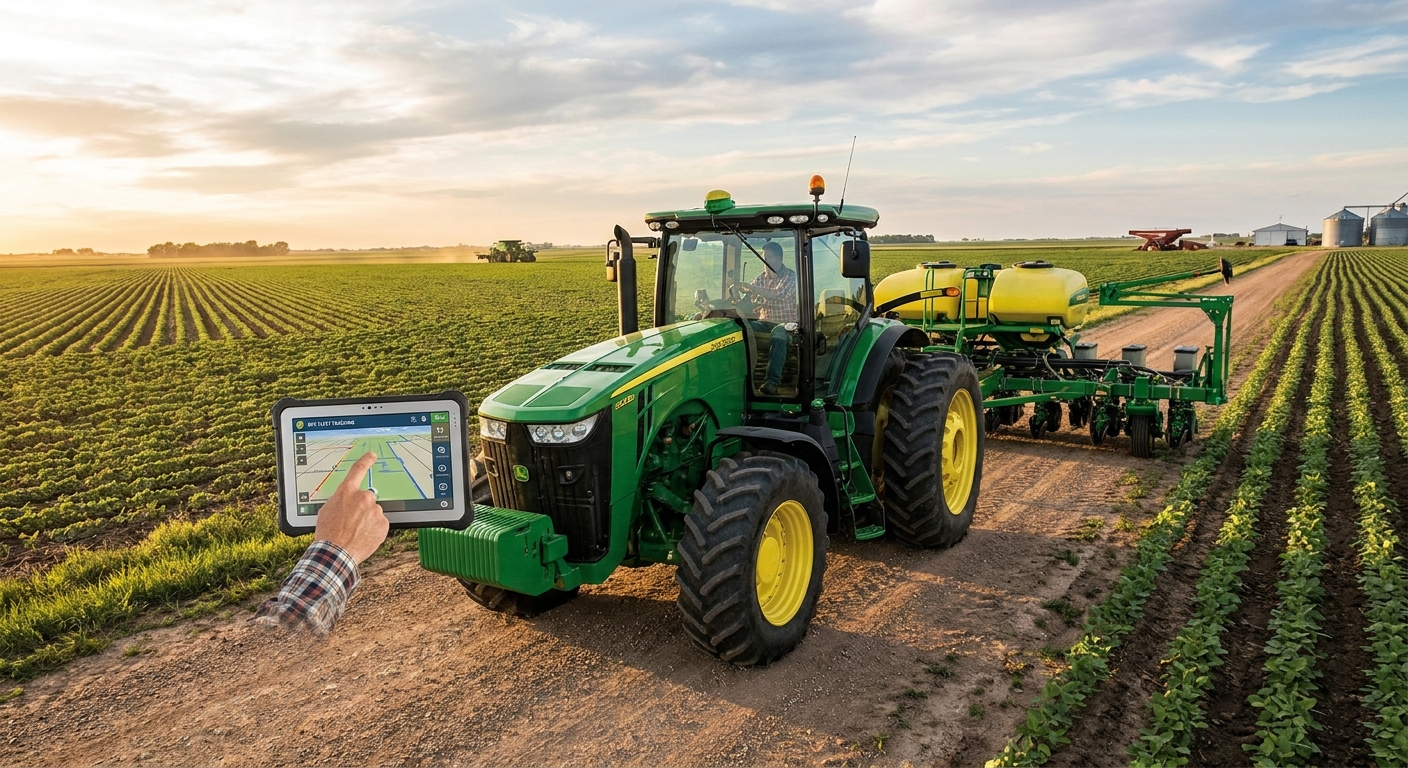
Agricultural fleets mix tractors, pickups, HGVs, trailers and quad bikes across fields with patchy signal — a standard van tracker built for city depots will not cut it. This guide breaks down what to look for in GPS tracking for agricultural fleet vehicles, which units earn a Buy, and what to skip before you sign a contract.
- GPS tracking for agricultural fleet vehicles in 2026 needs Thatcham S5 or S7 rated units — the Thatcham S7 Tracker at £198.00 is the safe pick.
- Skip consumer OBD trackers on tractors with no OBD port; hardwired Thatcham units survive fields, mud and yards.
- The Thatcham S5 Plus Tracker at £548.00 suits combines and six-figure machinery — buy for insurance-approved cover.
- 4G Fleet Dash Cams add evidence for rural road incidents and yard theft claims — buy for mixed on-road fleets.
- Trailer and asset tracking closes the gap cab-only trackers miss on grain and livestock trailers — consider it.
Why this matters
Rural machinery theft has pushed insurers to demand higher security standards before they'll quote competitively, and a fleet running unrated trackers often pays for it at renewal. Farm vehicles also sit idle in remote fields or open yards for days at a time, which is exactly the theft window a Thatcham-approved tracker with geofencing is built to close.
Mixed fleets make this harder than a standard van operation. You're covering pickups, HGV-class grain lorries, trailers, and increasingly tractors and telehandlers on the same system, and each has different power, signal and mounting constraints. Crystal Ball builds tracking around that mix rather than a single vehicle type, which matters when your yard has a 4x4, an artic and a livestock trailer parked side by side.
Who this is for
This guide is for farm managers, agricultural contractors and rural estate operators running five or more vehicles — pickups, vans, HGVs, trailers or a combination — who need theft protection, insurance-approved security ratings, and visibility across sites that don't always have reliable 4G coverage. If you're managing a single family car, most of this won't apply; if you're running a mixed fleet across multiple farms or contracting jobs, it will.
What to look for in GPS tracking for agricultural fleet vehicles
Rural signal reliability
A tracker that drops connection the moment a vehicle parks behind a barn or in a low-lying field is useless for theft recovery. Look for units that log position offline and sync once signal returns, rather than ones that go silent and stay silent.
Thatcham accreditation (S5 or S7)
Insurers price agricultural and high-value vehicle cover partly on the security fitted, and Thatcham S5 or S7 approval is the industry benchmark they check against. An S7-rated tracker typically covers pickups and vans; S5 and S5 Plus step up for higher-value plant and machinery where insurers expect stronger monitoring.
Geofencing for remote yards and field boundaries
Farm sites often span several fields and a main yard, and a vehicle moving outside agreed boundaries at 2am is the clearest theft signal you'll get. Geofence alerts that fire the moment a boundary is crossed give you a head start over a morning discovery that the trailer's gone.
Asset and trailer tracking, not just cabs
A GPS unit fitted to the tractor tells you nothing about the grain trailer or livestock trailer it's towing once they're uncoupled. Separate asset tracking on trailers and high-value implements closes a gap that cab-only systems leave wide open.
Installation that survives mud, vibration and cold
Consumer-grade plug-in trackers rely on OBD ports that many tractors, trailers and older HGVs simply don't have, and exposed wiring doesn't last through a winter of mud and vibration. Hardwired, professionally fitted units hold up where plug-and-play ones fail within a season.
Reporting that covers mixed vehicle classes
A fleet with vans, HGVs and tractors on one dashboard needs reporting that doesn't force you to run three separate systems. Driver behaviour, mileage and idling data matter as much on a 44-tonne grain lorry as they do on a pickup doing farm-to-yard runs.
Top picks for 2026
1. Thatcham S7 Tracker — the safe pick Insurance-approved to Thatcham S7 standard with 24/7/365 monitoring, priced at £198.00. This is the right entry point for pickups, 4x4s and vans that need an insurer-recognised rating without paying for S5-level monitoring they don't need. Buy.
2. Thatcham S5 Plus Tracker — the high-value asset pick At £548.00, this steps up to S5 Plus monitoring built for vehicles and machinery where the insurer wants stronger cover — combines, high-spec telehandlers, and six-figure plant. If your policy renewal hinges on the security rating fitted, this is the tier that satisfies it. Buy.
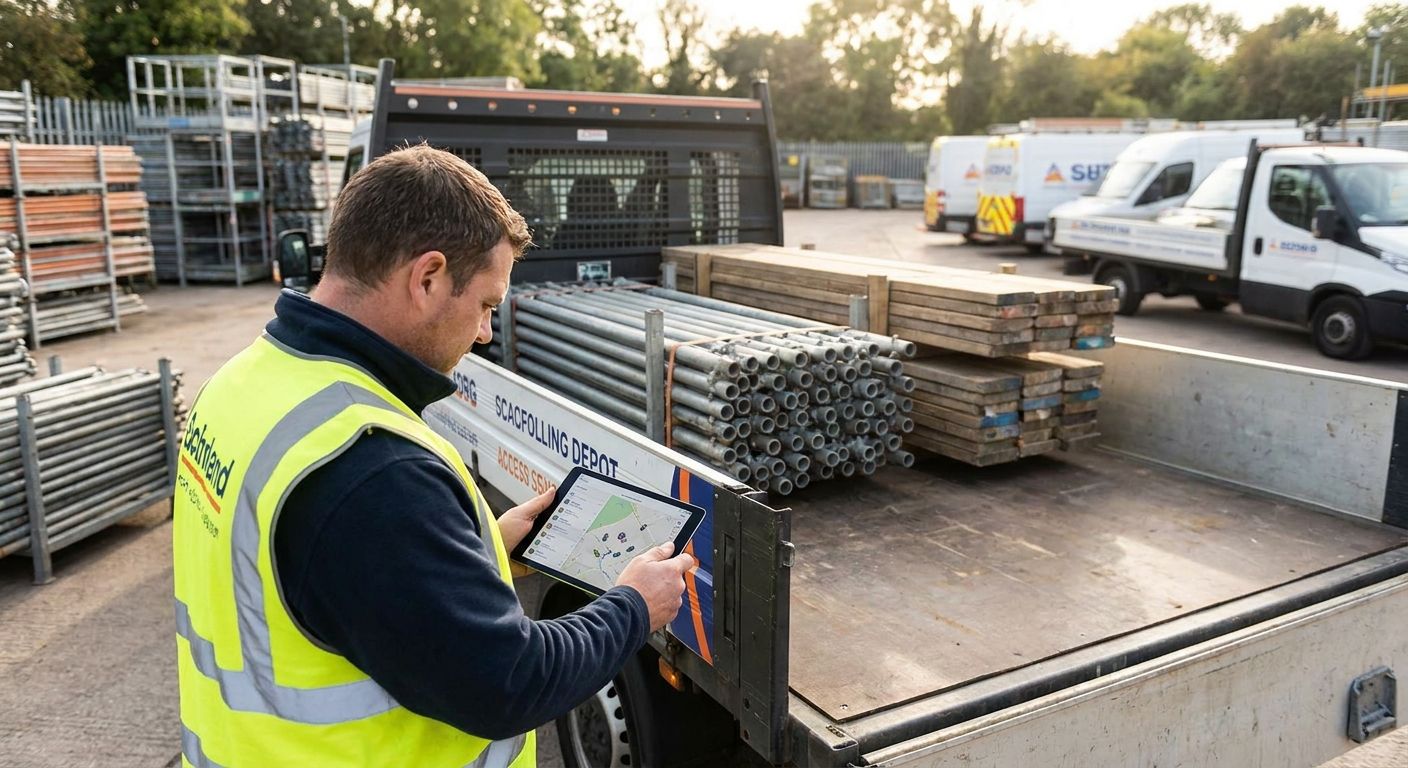
3. Lorry/HGV/Truck Tracking — for grain and livestock haulage Built around HGV fleet tracking for the artic units and rigid trucks moving harvest to storage or livestock to market. Route data and real-time location matter more on a multi-drop harvest run than on a single farm-to-field trip. Buy if you're running HGV-class transport; Consider if it's occasional hire.
4. Asset/Trailer Tracking — the trailer and implement pick Covers grain trailers, livestock trailers and towed implements with geofencing and tamper alerts, independent of the towing vehicle's own tracker. Given how often trailers get uncoupled and left in a field overnight, this is the pick that actually protects the asset most exposed to theft. Consider for every trailer over a season's use; Buy for high-value livestock trailers.
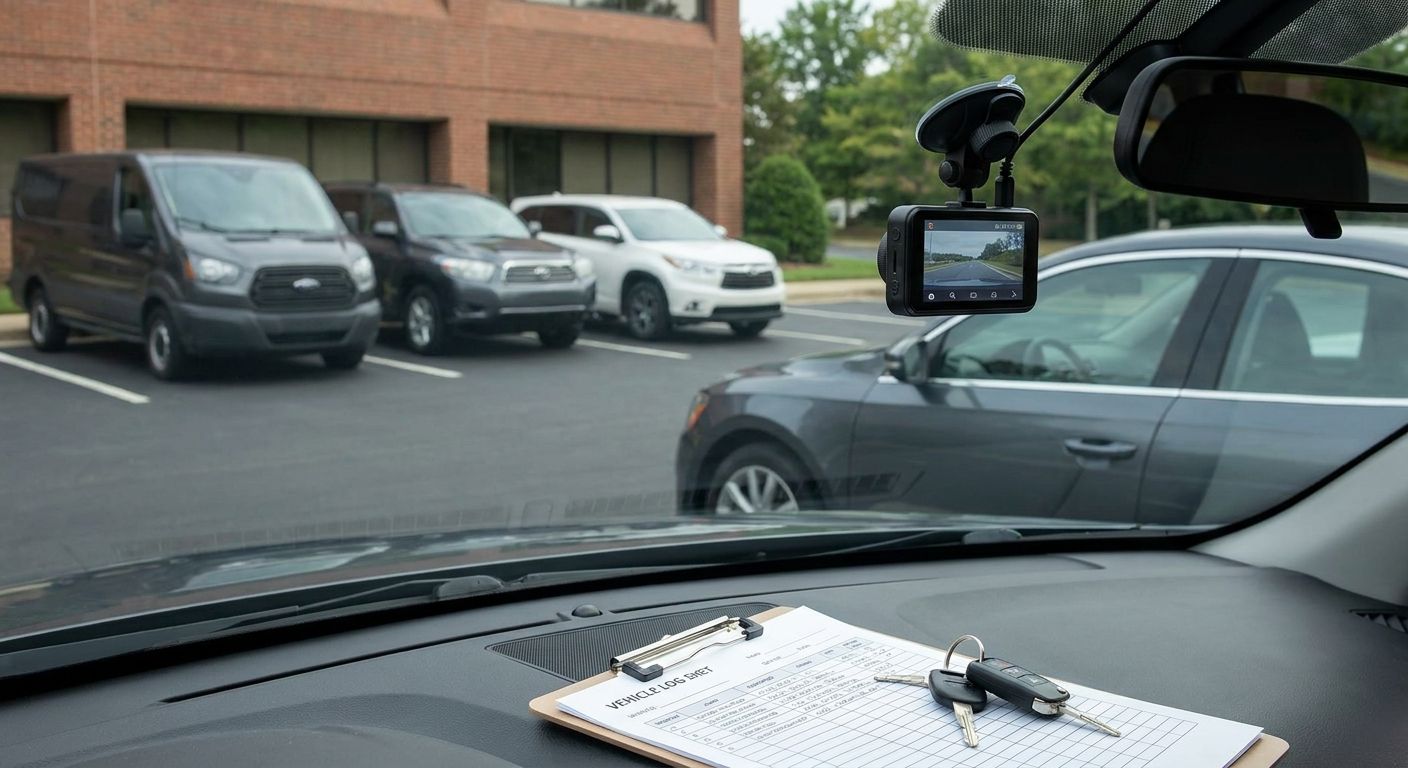
5. 4G Fleet Dash Cams — the evidence pick Award-recognised dash cam and tracking combination that records footage over 4G rather than storing it locally where it can be removed. On rural roads with narrow lanes and slow-moving farm traffic, footage settles liability disputes and insurance claims faster than a witness statement ever will. Buy.


What to avoid
- Plug-in OBD trackers on tractors — many farm vehicles and trailers have no OBD port, and where they do, exposed connectors fail fast under mud and vibration.
- Unrated trackers marketed as "GPS security" — if it's not Thatcham S5 or S7 rated, your insurer likely won't recognise it at renewal, whatever the marketing copy claims.
- Cab-only tracking with no trailer coverage — you'll have full visibility on the pickup and none on the £30,000 livestock trailer it's towing the moment they're uncoupled.
Verdict comparison table
| Product | Best for | Price | Rating | Verdict |
|---|---|---|---|---|
| Thatcham S7 Tracker | Pickups, vans, 4x4s | £198.00 | Thatcham S7 | Buy |
| Thatcham S5 Plus Tracker | Combines, high-value plant | £548.00 | Thatcham S5 Plus | Buy |
| Lorry/HGV/Truck Tracking | Grain and livestock haulage | Quote-based | N/A | Buy for HGV fleets |
| Asset/Trailer Tracking | Grain and livestock trailers | Quote-based | N/A | Consider |
| 4G Fleet Dash Cams | Evidence and liability cover | Quote-based | N/A | Buy |
A mixed agricultural fleet in 2026 rarely needs just one of these — most operators running pickups, an HGV and a couple of trailers will land on a combination of the S7 or S5 tracker plus trailer tracking and dash cams, not a single unit doing everything.
“A tracker fitted to the tractor tells you nothing about the trailer it left behind in the field.”
FAQ
What's the best GPS tracking for agricultural fleet vehicles in 2026?
For pickups, vans and 4x4s, a Thatcham S7-rated tracker like the Crystal Ball S7 Tracker at £198.00 is the standard entry point. High-value machinery and combines typically need S5 or S5 Plus rated units for insurers to recognise the cover.
Do tractors need a different tracker to vans and HGVs?
Yes — many tractors and older trailers lack an OBD port, so plug-in van trackers won't fit. Hardwired, professionally installed units handle the mounting and power constraints of farm machinery.
Is Thatcham S5 better than S7 for farm vehicles?
S5 and S5 Plus offer stronger monitoring aimed at higher-value vehicles and plant, while S7 suits standard pickups and vans. Which one you need depends on the vehicle's value and what your insurer specifies.
How much does GPS tracking for a farm fleet cost?
Thatcham-rated trackers from Crystal Ball start at £198.00 for the S7 model and rise to £548.00 for the S5 Plus, with HGV and trailer tracking priced on a quote basis depending on fleet size.
Can GPS trackers track trailers separately from the towing vehicle?
Yes — dedicated asset and trailer tracking runs independently of the towing vehicle's tracker, with its own geofencing and tamper alerts. This matters because trailers get uncoupled and left in fields far more often than the vehicles towing them.
Do GPS trackers work in areas with poor rural signal?
Units built for offline logging store position data locally and sync once signal returns, which matters on farms with patchy 4G coverage. A tracker that simply drops connection in low-signal fields defeats the point of fitting one.
Will fitting a Thatcham tracker reduce insurance premiums?
Insurers generally price cover partly on the security rating fitted, and Thatcham S5 or S7 approval is the recognised benchmark they check against. Unrated trackers marketed as security devices often don't qualify for the same treatment.
Do dash cams help with agricultural fleet insurance claims?
4G dash cams that record and transmit footage over the network provide evidence for narrow-lane collisions and yard theft that local-storage cams can lose if the unit itself is stolen. That footage settles liability disputes faster than witness accounts alone.
One last thing
Most agricultural fleets buy tracking for theft protection and stop there — the bigger return usually shows up in insurance renewal conversations, where a Thatcham S5 or S7 rating on file changes the quote before the security itself ever gets tested. Get the paperwork in front of your broker before renewal, not after a claim.