Utility field engineers run gas, water, electricity and telecoms call-outs from vans dispatched out of regional depots, and a standard car tracker was never built for that pattern. Vehicle tracking for utility field engineers has to cover depot geofencing, lone worker safety at isolated substations and access points, and hard proof of arrival time when a customer disputes an SLA window.
- Thatcham S5 tracking at £374 is the buy for single-van utility engineers who need insurance-approved theft cover in 2026.
- 4G dash cams settle site-access disputes on private land — fit them before you fit anything else.
- HGV-scale utility fleets need commercial-grade tracking, not consumer GPS apps built for cars.
- Skip plug-in OBD dongles for engineers carrying cable drums or plant — they don't cover asset theft.
- Lone worker alerts matter more here than in most fleets because engineers work alone at remote sites.
Why this matters
Utility field engineers work under contract SLAs from network operators and local authorities, and missed or disputed arrival windows cost money in penalty clauses. A fleet of ten vans covering a 40-mile patch loses that visibility the moment tracking is left to a driver's own phone.
Theft risk is higher too. Vans parked overnight outside a substation or reservoir site with cable drums, meters, or specialist tools inside are a target, and insurers price that risk into premiums. A Thatcham S5-rated tracker (£374) or S7-rated tracker (£198) both carry insurance recognition in 2026, but they cover different theft scenarios — S7 tracks after the vehicle moves, S5 adds remote immobilisation.
Lone working adds a third layer most fleet buying guides skip entirely. An engineer working alone inside a locked compound or down a manhole has no colleague to raise an alarm, which is why panic-alert and check-in features matter as much as GPS pins on a map.
Who this is for
This guide is for fleet managers and operations leads at utility contractors, network operators, and multi-utility service providers running vans, 7.5-tonne trucks or HGVs between depots and customer sites. It applies whether the crew are direct employees or subcontracted engineers on a framework contract, and whether the work is gas, water, electricity, or telecoms infrastructure. If your engineers carry high-value plant, work alone at remote sites, or operate under contractual SLA penalties, the criteria below apply directly to you.
What to look for in vehicle tracking for utility field engineers
Real-time location with depot and site geofencing
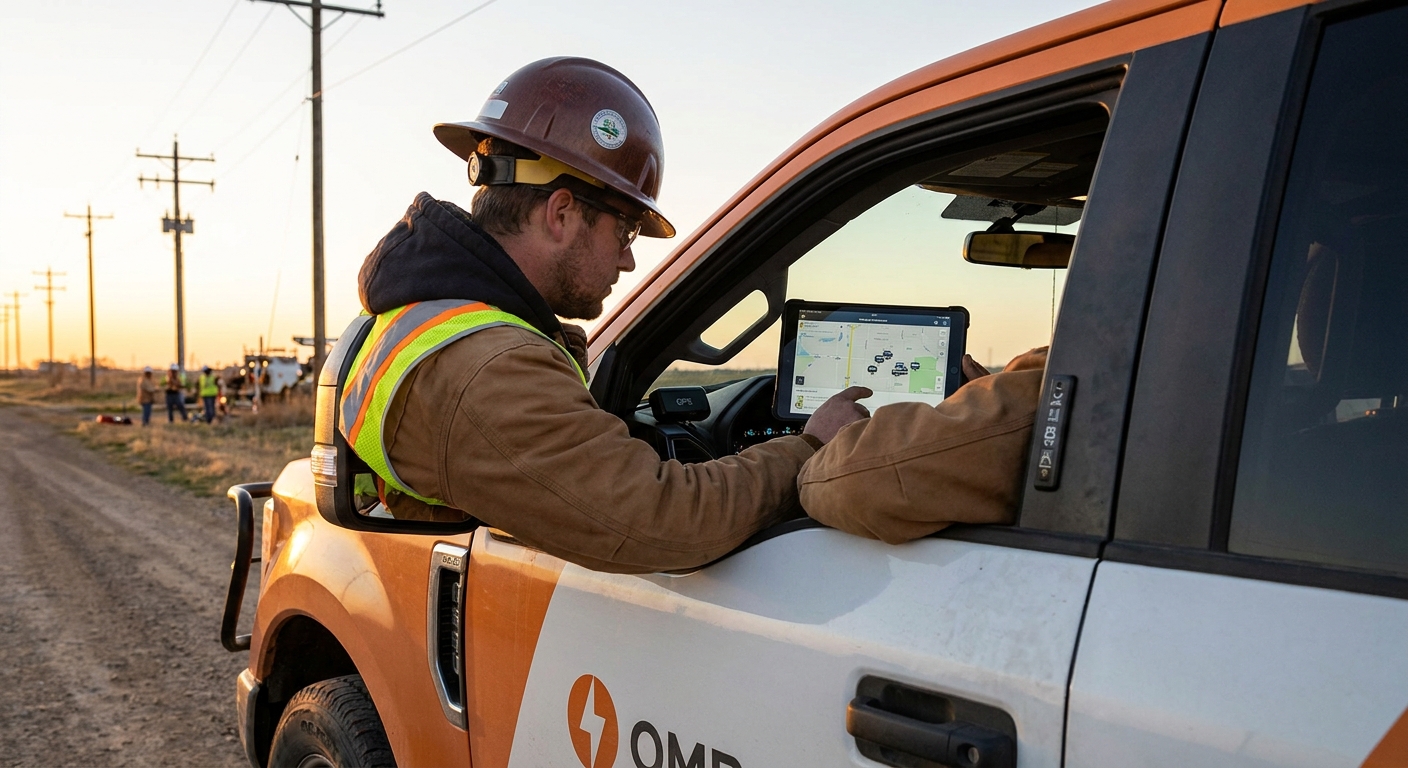
A live GPS pin only proves where a van is right now — geofencing proves when it arrived and when it left. Set a geofence around a substation, reservoir compound, or customer site and you get an automatic timestamp that settles SLA disputes without a phone call.
Thatcham-approved theft protection
Insurers give lower premiums to fleets running Thatcham S5 or S7-rated trackers because they're independently certified against defined theft scenarios. A utility van left overnight with tools inside is a higher insurance risk than a company car, so the rating matters more here than in most fleet segments.
Lone worker and panic-alert integration
Engineers working alone at isolated access points need a way to raise an alert that doesn't rely on mobile signal alone. Look for a system that logs check-ins and escalates automatically if an engineer misses one, not just a location dot on a screen.
4G dash cam evidence
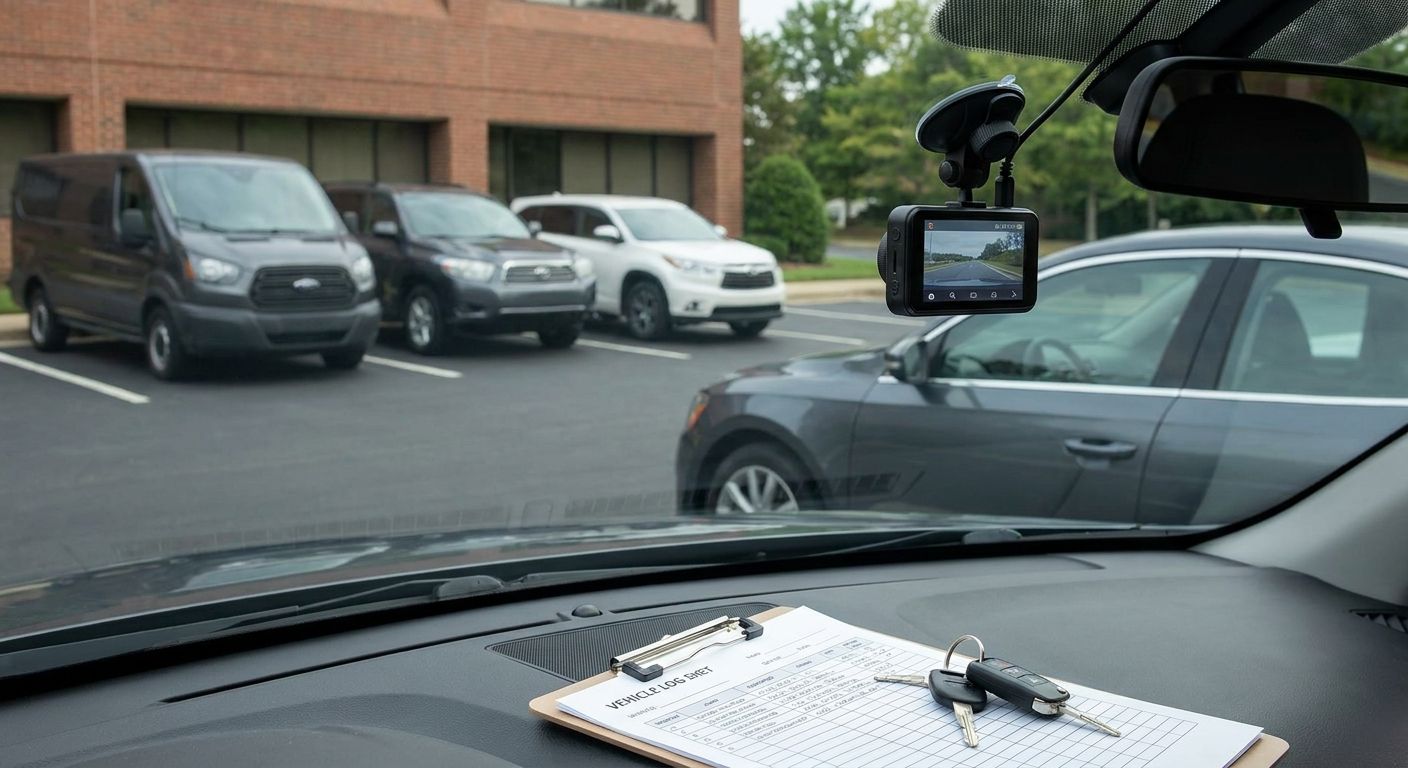
Access disputes with landowners, near-miss incidents on rural lanes, and false liability claims all get resolved faster with footage. A 4G dash cam uploads footage live rather than storing it on an SD card that only gets checked after a claim lands.
Driver ID for pool vehicles
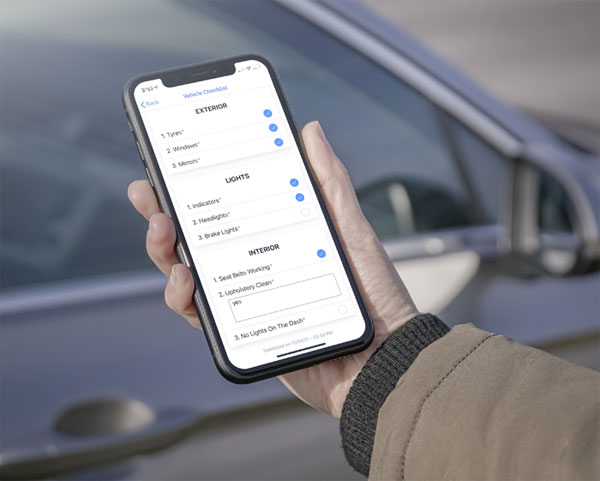
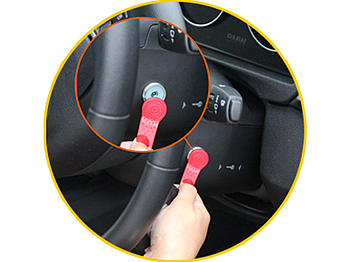
Utility contractors often run pool vans shared across shifts. Driver ID tags tie a specific engineer to a specific journey, which matters for both compliance records and resolving who was where when a customer complaint comes in.
Asset and plant tracking
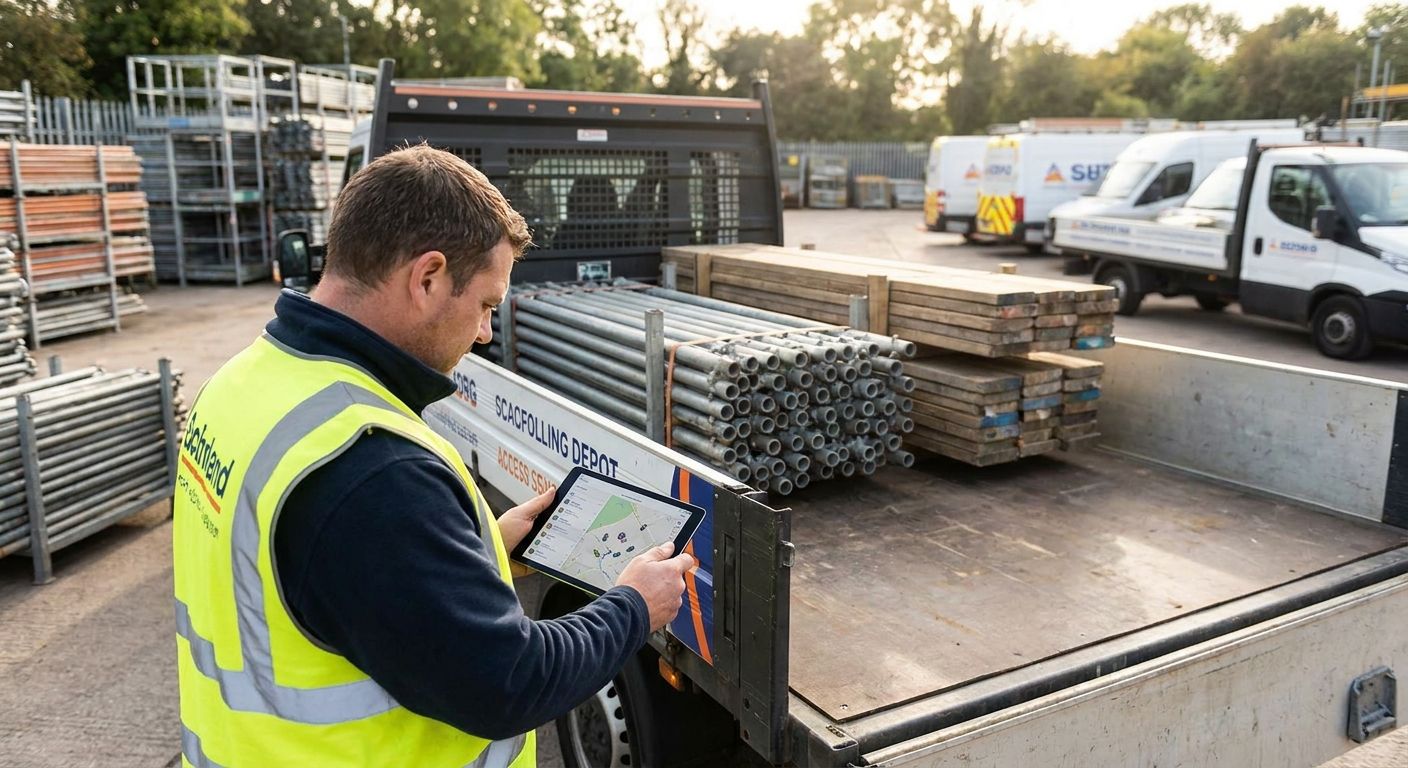
Cable drums, generators, and specialist tools left in a van or on-site overnight are a theft target separate from the vehicle itself. A vehicle tracker alone won't tell you if a £2,000 drum walked off a compound while the van stayed put.


Top picks by fleet setup
The single-van engineer pick. A Thatcham S5 tracker at £374 gives an individual engineer's van insurance-recognised theft cover plus remote immobilisation if it's stolen from a compound overnight. It won't cover HGVs, but for a lone engineer's van it's the right spec. Buy.
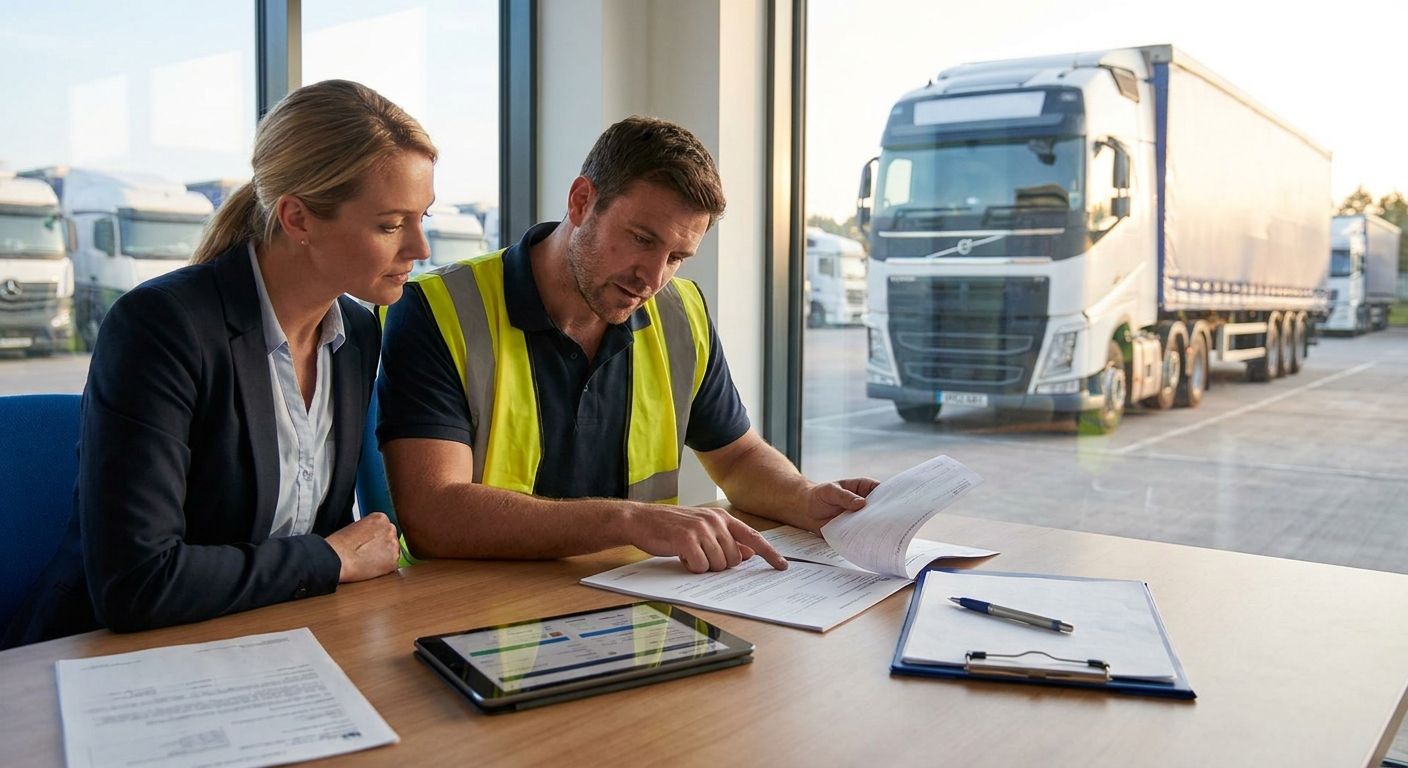
The depot-based HGV pick. Utility contractors running 7.5-tonne recovery trucks or larger service vehicles between depots need tracking built for commercial vehicle tracking for HGV operators, not a consumer app repurposed for a bigger vehicle. Route compliance and tachograph-adjacent reporting matter at this scale. Buy.
The council-contract pick. Engineers working under local authority framework contracts — highways, street lighting, water board maintenance — answer to different reporting requirements than private-sector fleets, and GPS fleet tracking for local council fleets is built around that audit trail. Consider if your contracts require council-level reporting; Skip if you're purely private-sector.
The site-access pick. Utility engineers doing installation or groundworks on live sites face the same access-control and safety documentation issues as construction crews, which is why vehicle tracking system for construction companies covers geofencing and check-in logging relevant here too. Buy for install-heavy teams.
The lone worker safety pick. For engineers regularly working alone at remote or isolated sites, a system with a panic-alert app matters more than any single hardware spec. Pair it with the Thatcham tracker rather than treating it as a replacement. Buy.
What to avoid
- Plug-in OBD dongles marketed for cars. They give a location dot but skip Thatcham certification, remote immobilisation, and asset tracking — all things an insurer or a stolen cable drum will care about.
- CCTV-only systems sold as a security substitute. Footage after the fact doesn't stop a theft or prove a compliant arrival time; you need live tracking alongside it, not instead of it.
- Non-Thatcham trackers when your insurer specifies a rating. If your policy names S5 or S7 as a requirement, a cheaper unrated tracker can void the theft clause entirely — check the policy wording before buying anything.
Verdict comparison
| Setup | Geofencing | Thatcham rating | Dash cam | Lone worker alert | Verdict |
|---|---|---|---|---|---|
| Single-van engineer | Yes | S5 (£374) | Optional | Recommended | Buy |
| Depot HGV fleet | Yes | Not standard | Recommended | Standard | Buy |
| Council contract fleet | Yes | Varies | Recommended | Standard | Consider |
| Site-install crew | Yes | Optional | Recommended | Recommended | Buy |
| Basic OBD dongle | No | No | No | No | Skip |
FAQ
What's the best vehicle tracking for utility field engineers in 2026?
A Thatcham S5-rated tracker paired with a 4G dash cam and a lone worker alert covers the three main risks: theft, access disputes, and remote-site safety. For HGV-scale utility fleets, tracking built for commercial vehicle operators handles route and depot reporting a consumer app can't.
Is Thatcham S5 or S7 better for a utility van?
S5 adds remote immobilisation on top of the tracking S7 provides, which matters more for vans left overnight at compounds or substations. S7 at £198 is cheaper and still insurance-recognised, but S5 at £374 gives more control if the van is stolen while moving.
Do utility field engineers need lone worker protection alongside vehicle tracking?
Yes, if engineers regularly work alone at isolated sites like substations, reservoirs, or manholes. Vehicle tracking shows where the van is, but it doesn't tell you if the engineer inside a compound has had an incident with no signal to call for help.
How much does vehicle tracking cost for a utility fleet in 2026?
Thatcham-rated trackers range from £198 for an S7 unit to £548 for an S5 Plus unit as of 2026, with dash cams and driver ID typically quoted separately per vehicle. Costs scale with fleet size and the number of features bundled in.
Does vehicle tracking help with SLA disputes for utility contracts?
Yes. Geofenced timestamps around a customer site or access point prove exactly when an engineer arrived and left, which settles most SLA penalty disputes without needing a phone call or a manual timesheet check.
Can vehicle tracking reduce insurance premiums for utility vans?
Insurers commonly recognise Thatcham S5 and S7 ratings and price premiums lower for fleets running them, because the ratings certify against defined theft scenarios. The exact discount depends on the insurer and the rest of the fleet's claims history.
What's the difference between fleet tracking for vans and for HGVs?
Van tracking focuses on theft protection and route visibility for single drivers, while HGV tracking adds compliance reporting, larger-scale route optimisation, and depot-to-depot logistics features that consumer-grade van trackers don't include.
One last thing
The detail most utility fleet managers miss in 2026: a Thatcham S5 tracker and an S7 tracker both satisfy most insurers on paper, but only S5 lets you cut power to a stolen van remotely. If your engineers park overnight at unmanned compounds rather than a secured depot, that difference is worth the extra £176 over an S7 unit.