Fleet managers running HGVs in 2026 are choosing between Thatcham-rated trackers, 4G dash cams, and standalone asset trackers — and the wrong pick either fails to satisfy the insurer or leaves a £40,000 trailer untracked. This guide ranks the devices that actually move the needle for lorries, artics, and rigid trucks.
- Thatcham S7 tracker at £198 is the best vehicle tracking device for hgv fleets on a tight budget — buy it.
- Thatcham S5 Plus at £548 suits high-value cabs and reefer trailers that need insurer-grade monitoring — consider it.
- 4G Fleet Dash Cams pair with any tracker to cut insurance disputes and close driver-behaviour blind spots.
- Direct Vision Standard camera systems at £599 are mandatory for HGVs running inside London's DVS zone.
Why this matters
HGV insurers price premiums on the strength of the security fitted to the vehicle, not the reputation of the fleet operator. A tracker without a Thatcham category rating does nothing for your renewal quote, no matter how good the GPS accuracy is on paper.
Most HGV theft and fraud claims in the UK involve either the tractor unit going missing overnight from an unsecured yard, or a trailer disappearing while decoupled at a drop site. Commercial vehicle tracking built for HGV operators needs to account for both scenarios, which is why the best setups combine a vehicle-level tracker with a separate asset tracker on the trailer.
There's also a compliance layer specific to HGVs that vans and cars don't carry: Direct Vision Standard cameras for operators running inside Greater London, and driver behaviour monitoring that most insurers now expect as standard on any fleet above a handful of vehicles.
How this list is ranked
Each device below is judged on four things that matter specifically for HGV operators in 2026: whether it carries a Thatcham category rating insurers recognise, installed cost, whether it covers the trailer as well as the tractor unit, and whether it solves a compliance problem (DVS, driver hours, incident evidence) rather than just showing a dot on a map. Pricing reflects list prices at the point of writing; check the current figures before you commit budget.
The ranked list
1. Thatcham S7 Tracker — the entry-level insurer-approved pick
At £198, the Thatcham S7 Tracker is the cheapest way to get an insurance-recognised device on an HGV. It runs on 24/7/365 monitoring with nationwide on-site installation, which matters for fleets spread across multiple depots.
S7 covers vehicle tracking and remote monitoring but sits below S5 on the insurer's risk scale, so premium reductions are typically smaller than what an S5-rated device delivers. For a rigid truck doing local delivery runs with low theft exposure, that trade-off is fine.
Verdict: Buy — for fleets prioritising insurer compliance at the lowest entry cost.
2. Thatcham S5 Tracker — the mid-tier standard for most HGV fleets
The Thatcham S5 Tracker costs £374 and adds a driver card to the S7 spec, alongside the same 24/7/365 monitoring centre and nationwide installation. S5 is the rating most commercial insurers reference when quoting HGV premiums, which makes it the more defensible choice on a renewal call.
For an operator running six or more artics, the jump from £198 to £374 per unit is easily justified by the premium difference insurers typically apply between S7 and S5-rated fleets.
Verdict: Buy — the safest default for most HGV operators in 2026.
3. Thatcham S5 Plus Tracker — the premium pick for high-value cabs and reefers
At £548, the Thatcham S5 Plus Tracker is built for vehicles where a theft or breakdown carries a bigger financial hit — reefer units carrying temperature-sensitive loads, or premium tractor units on finance. It's an insurance-approved Thatcham tracker built for exactly this tier of fleet, with the same monitoring centre backbone as the S5 and S7 devices.
The extra cost over standard S5 buys additional theft-detection sensitivity, which insurers of high-value HGVs increasingly ask for by name.
Verdict: Consider — worth the upgrade on any vehicle or trailer combination valued above roughly £60,000.
4. 4G Fleet Dash Cams — the incident-evidence layer
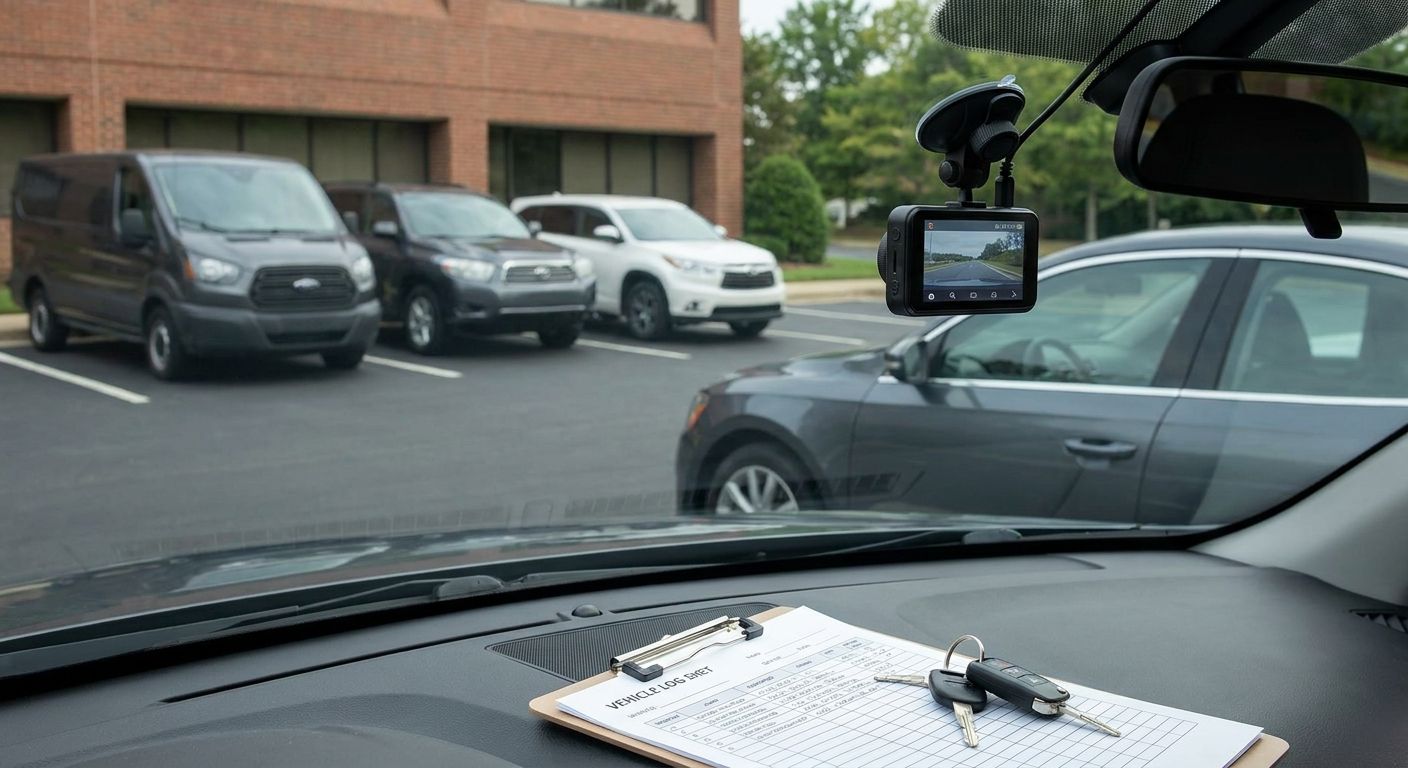
A 4G Fleet Dash Cam doesn't replace a tracker, it backs one up. When an HGV is involved in a collision or a false liability claim, footage settles the dispute faster than GPS breadcrumb data alone, and 4G connectivity means the footage uploads before a driver even gets back to the yard.
The camera side also feeds driver behaviour data — harsh braking, lane drift, tailgating — which several insurers now request as a condition of preferential HGV rates.
Verdict: Buy — pair one with whichever Thatcham tracker you choose above.
5. 360° Vehicle CCTV — the blind-spot fix for artics
Artics and rigid trucks over 3.5 tonnes carry blind spots that standard forward-facing dash cams don't touch — the nearside, the rear doors, the trailer coupling. A 360° Vehicle CCTV system covers those angles and is increasingly cited in HGV near-miss and cyclist-collision investigations.
This one earns its place on the list for compliance and liability reasons more than theft prevention.
Verdict: Consider — a priority if your HGVs operate in urban areas with cyclist and pedestrian traffic.
6. Direct Vision Standard camera system — mandatory for London operators
Any HGV over 12 tonnes operating inside Greater London needs to meet Direct Vision Standard requirements, and the camera and sensor system built for it costs £599. This isn't optional for operators running routes through the DVS zone — it's a permit condition, and running without it risks fines and vehicle downtime.
Verdict: Buy — non-negotiable if any part of your route touches Greater London.
7. Asset/Trailer Tracking — the one fleets forget
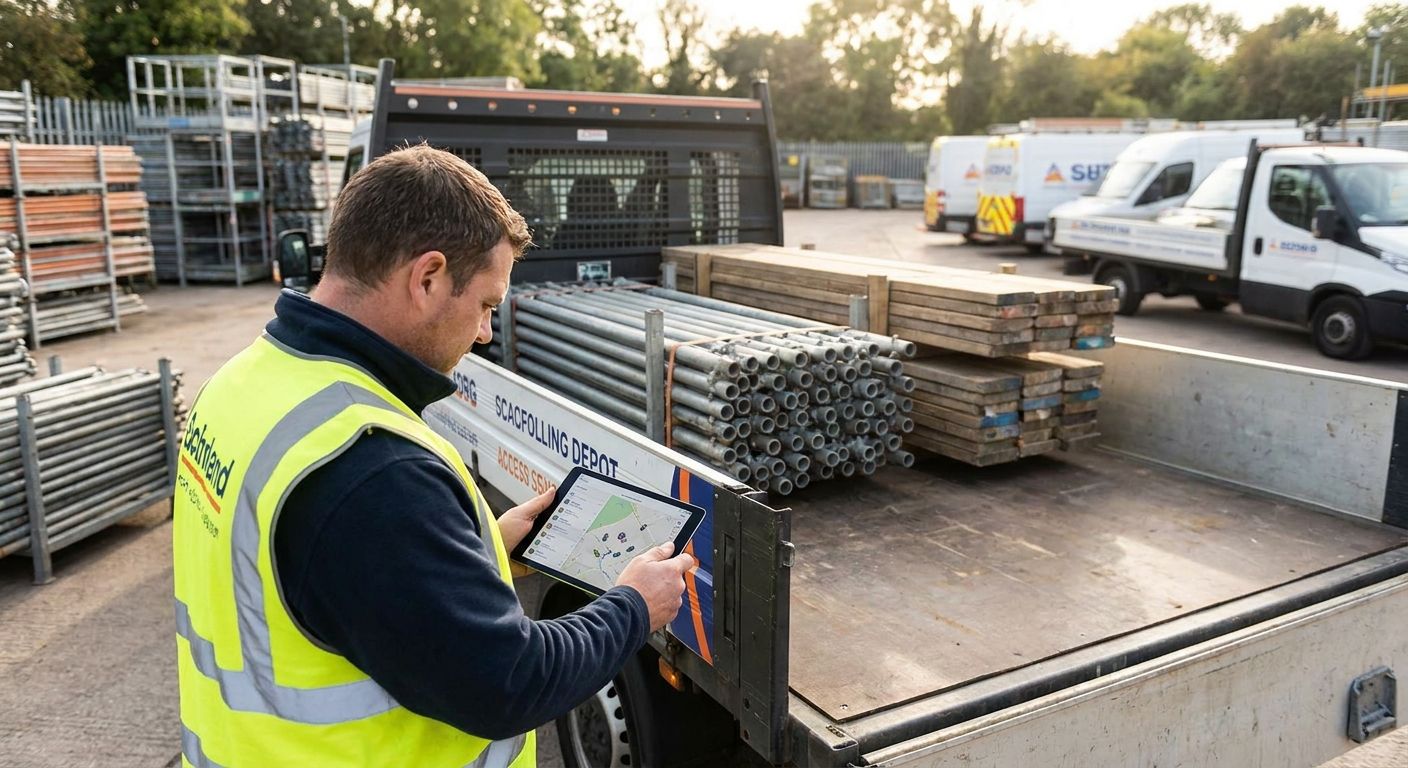
Tractor units get tracked. Trailers, more often than not, don't — and trailers left decoupled at a drop site or a yard overnight are a disproportionate share of HGV-related theft claims. A dedicated asset tracker fitted to the trailer chassis closes that gap without touching the tractor's own system.
Verdict: Consider — essential if trailers are ever left decoupled unattended, skippable if they never leave the tractor.
“A tracker that isn't Thatcham-rated won't shave a penny off an HGV insurance premium, no matter how accurate the GPS is.”
Comparison table
| Device | Best for | Price | Verdict |
|---|---|---|---|
| Thatcham S7 Tracker | Lowest-cost insurer compliance | £198 | Buy |
| Thatcham S5 Tracker | Standard HGV fleet default | £374 | Buy |
| Thatcham S5 Plus Tracker | High-value cabs and reefers | £548 | Consider |
| 4G Fleet Dash Cams | Incident evidence, driver behaviour | Check current pricing | Buy |
| 360° Vehicle CCTV | Blind-spot coverage on artics | Check current pricing | Consider |
| Direct Vision Standard system | London-zone compliance | £599 | Buy |
| Asset/Trailer Tracking | Unattended trailer theft | Check current pricing | Consider |


Where to buy
- Buy trackers and cameras through a provider that runs its own 24/7/365 monitoring centre rather than reselling a third-party platform — response speed on a theft alert depends on it.
- Confirm nationwide on-site installation is included before comparing prices; a device that arrives by post and needs a garage booking adds downtime you don't want on a working HGV.
- Ask whether the tracker's Thatcham category is current for 2026 — ratings get reviewed, and an outdated category listing can hold up an insurance renewal.
FAQ
What's the best vehicle tracking device for hgv fleets in 2026?
The Thatcham S5 Tracker at £374 is the best all-round pick for most HGV fleets in 2026, because it carries the insurer-recognised rating most commercial policies reference. Fleets on a tighter budget can start with the S7 at £198, while high-value cabs and reefers justify the S5 Plus at £548.
Is a Thatcham S7 tracker enough for HGV insurance?
A Thatcham S7 tracker satisfies most standard commercial HGV insurance requirements, but it sits below S5 on the insurer risk scale. Premium reductions on S7 are typically smaller than on S5 or S5 Plus devices.
How much does HGV vehicle tracking cost in 2026?
Thatcham-rated HGV trackers range from £198 for the S7 to £548 for the S5 Plus in 2026, with the standard S5 priced at £374. Dash cams and asset trackers are typically quoted separately based on fleet size.
Do I need Direct Vision Standard cameras on all my HGVs?
Only HGVs over 12 tonnes operating inside Greater London need Direct Vision Standard camera systems, priced at £599. Vehicles that never enter the DVS zone don't need the system fitted.
Is a 4G dash cam better than a standard dash cam for lorries?
A 4G dash cam uploads footage over cellular data as it's recorded, so incident evidence is available immediately rather than trapped on an SD card. That speed matters most for liability disputes and insurance claims on HGVs.
Can trailer tracking work without the tractor unit attached?
Yes, a dedicated asset tracker fitted to the trailer chassis works independently of the tractor unit's own tracking system. This matters because trailers left decoupled at a drop site are a common target for theft.
How does GPS tracking reduce HGV insurance premiums?
Insurers offer lower premiums on HGVs fitted with Thatcham-rated trackers because the category rating signals a recognised standard of theft detection and recovery. The higher the Thatcham category, S5 and S5 Plus over S7, the larger the typical discount.
What's the difference between Thatcham S5 and S7 ratings?
S5 includes a driver card and is the rating most insurers reference for standard commercial premium discounts, while S7 covers core tracking and monitoring at a lower price point. S5 Plus adds heightened theft-detection sensitivity on top of the standard S5 spec.
One last thing
The device fleet managers skip most often is the cheapest one to add: a trailer-level asset tracker. Tractor units almost always get tracked because they're the vehicle on the insurance policy, but trailers decoupled overnight at a customer site are where a disproportionate share of HGV theft claims start. Fitting a separate tracker to the trailer chassis closes that gap for a fraction of what a Thatcham S5 Plus costs on the tractor.