Logistics fleets run different maths than a five-van sole trader: multiple depots, mixed HGV and van tiers, temperature-controlled loads, and tachograph compliance sitting on top of standard GPS tracking. The best telematics systems for logistics companies in 2026 need to handle all of that without forcing you into three separate logins.
- Commercial vehicle tracking for HGV operators is the strongest pick for multi-drop logistics fleets in 2026 - buy it.
- Van tracking for courier and delivery fleets wins on last-mile visibility - skip it if your fleet is all HGV artics.
- Refrigerated fleet management software becomes mandatory the moment temperature-controlled loads enter the mix.
- Thatcham S5 and S7 trackers suit high-value cabs and trailers and satisfy most insurer conditions.
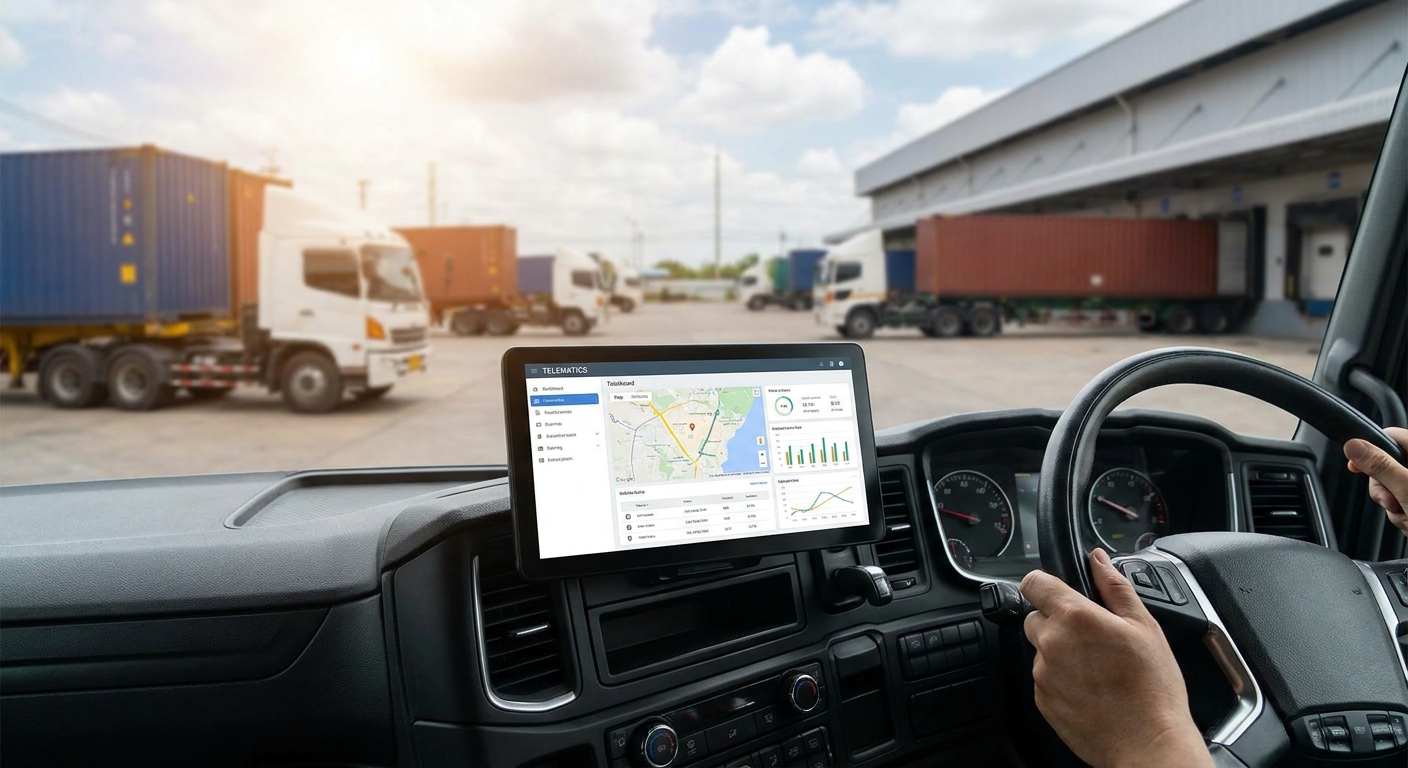
- Best telematics systems for logistics companies in 2026 combine live GPS, driver behaviour scoring and geofencing in one dashboard.
Why this matters
A logistics operator running 20 vans and 8 HGVs out of two depots does not need the same commercial vehicle tracking for HGV operators setup as a courier firm running 40 vans and nothing bigger. Picking the wrong tier means paying for compliance features you don't need, or worse, missing the ones you do.
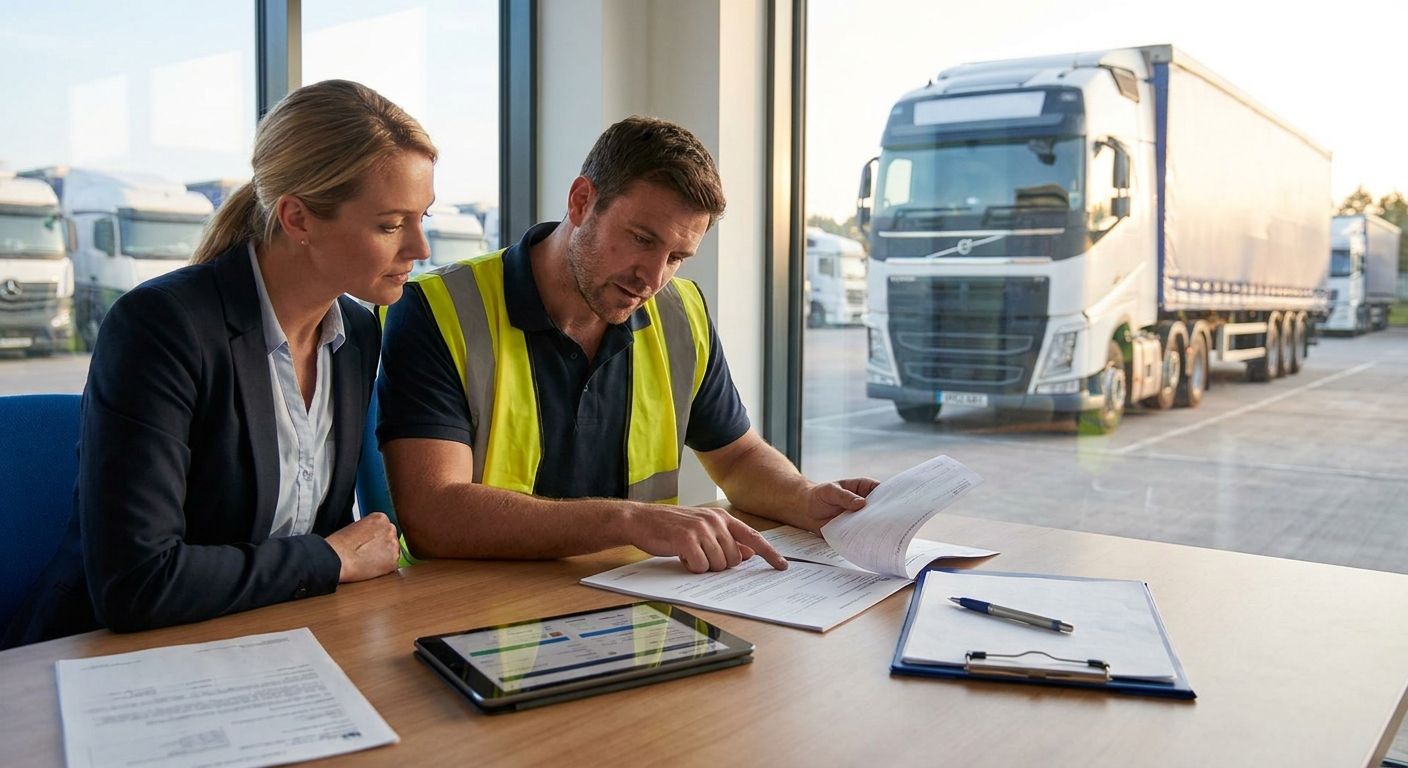
Insurers, the DVSA, and your own customers all want different proof points from telematics in 2026. Underwriters want Thatcham-rated theft protection on high-value cabs. Compliance officers want driving-time and geofence records. Customers on refrigerated contracts want temperature logs, not just a location pin. A single logistics telematics stack has to answer all three without turning into five different apps on a driver's phone.
How this list is ranked
Each system below is weighed against four things that matter specifically to logistics operations: vehicle-class fit (van vs. HGV vs. mixed), compliance depth (tachograph, DVS, temperature), insurer acceptance (Thatcham category where relevant), and how much extra admin it adds for a transport office already running tight. None of these are lab-tested claims - they're the criteria a fleet manager should actually be checking against a supplier's spec sheet before signing a contract in 2026.
The best telematics systems for logistics companies in 2026
1. HGV and commercial vehicle tracking - the backbone pick
For any fleet running vehicles over 3.5 tonnes, commercial vehicle tracking for HGV operators is the non-negotiable layer. It covers live location, driving-time data that lines up with tachograph records, and route history you can hand to a compliance auditor without a spreadsheet.
The detail that matters: HGV-class trackers report on 60-second-or-tighter ping intervals rather than the 2-5 minute intervals acceptable on light vans, because a 44-tonne artic covers far more ground per minute and a compliance gap looks worse on paper. Verdict: Buy for any operator running vehicles over 7.5 tonnes.
2. Van tracking for courier and delivery fleets - the last-mile specialist
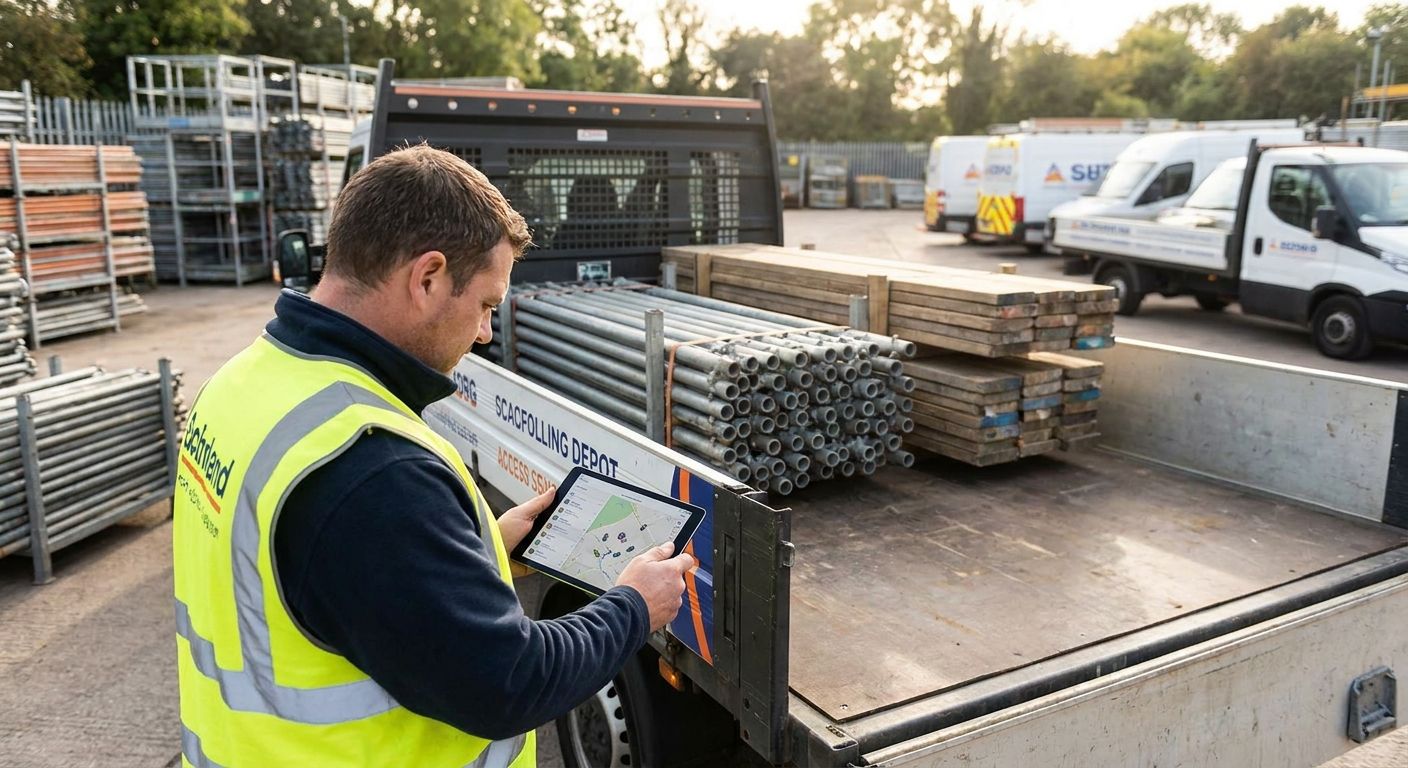
Courier and parcel operations live and die on proof of delivery windows, not just location. Van tracking system for courier and delivery fleets is built around ETA accuracy, geofenced depot check-ins, and driver behaviour scoring - harsh braking and idling cost more in a 40-van last-mile operation than almost any other line item.
If your logistics business is 90% van and 10% HGV, this is where your budget goes first. Verdict: Buy for courier, parcel, and multi-drop delivery fleets.
3. Refrigerated fleet management software - the cold-chain guard
Once a single temperature-controlled contract is on the books, generic GPS tracking stops being enough. Fleet management software for refrigerated delivery fleets adds temperature logging alongside location and driving data, which matters when a food or pharma client asks for proof the cold chain held during a 2026 summer heatwave.
Skip this tier if you run dry freight only - it's paying for a feature you'll never open. Verdict: Buy for cold-chain operators, Skip for dry freight only.
4. Thatcham S5 and S7 trackers - the insurer's favourite
High-value cabs, specialist trailers, and premium HGV tractor units are theft targets, and most commercial insurers know it. A Thatcham-approved tracker with a 24/7/365 monitoring centre and nationwide on-site installation is often the difference between a standard premium and a reduced one on high-value assets.
Thatcham S7 sits at entry-level insurance-approved tracking; S5 and S5 Plus add finer-grained monitoring for higher-value vehicles. Next-day delivery on orders placed before 1pm means you're not waiting weeks to get cover in place. Verdict: Buy for any vehicle an insurer flags as high-risk or high-value.
5. 4G dash cams for van fleets - the evidence layer
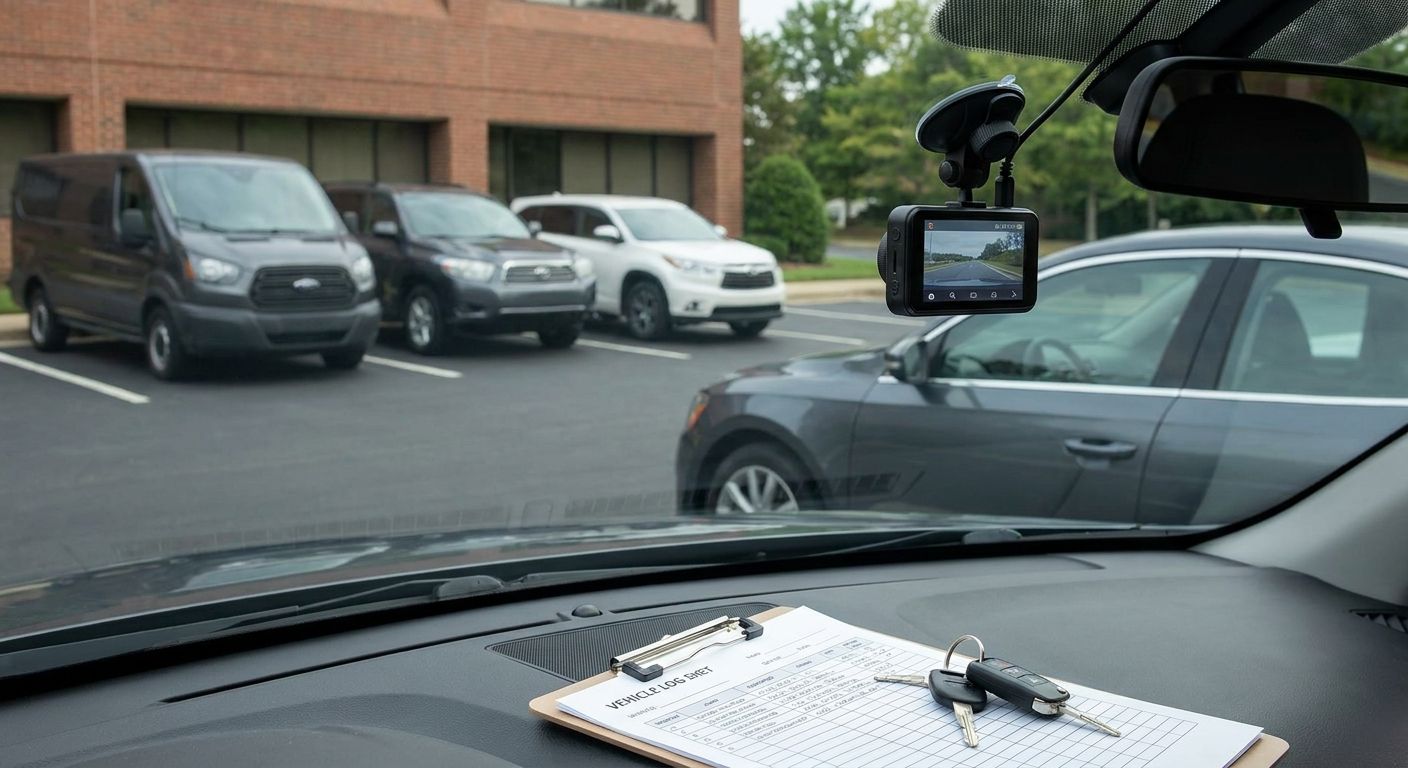
Telematics tells you where a vehicle was; a dash cam tells you what happened when it got there. For logistics fleets dealing with liability disputes, false whiplash claims, or delivery disputes, 4G dash cam footage settles arguments in minutes instead of weeks. Verdict: Consider as a standard fit-out across the van fleet, not just accident-prone drivers.
6. Best fleet management software for small businesses - the growth-stage option
A logistics operator still running under 15 vehicles doesn't need enterprise-tier HGV compliance tooling yet. A leaner platform built for smaller operations covers the same core GPS, geofencing, and driver ID basics without the overhead. Verdict: Consider if you're under 15 vehicles and growing toward mixed HGV/van operations.
7. Best vehicle tracking devices for HGV fleets - the hardware question
Software only performs as well as the hardware feeding it. Device choice affects battery backup, tamper alerts, and installation time - all of which matter more on an HGV that's off the road for maintenance less often than a van. Verdict: Consider as a companion decision alongside your software platform, not a standalone purchase.


Comparison at a glance
| System | Best for | Compliance angle | Verdict |
|---|---|---|---|
| Commercial vehicle tracking for HGV operators | 7.5t+ fleets | Tachograph-aligned driving time | Buy |
| Van tracking for courier and delivery fleets | Multi-drop, last-mile | ETA accuracy, geofencing | Buy |
| Refrigerated fleet management software | Cold-chain contracts | Temperature logging | Buy / Skip if dry freight |
| Thatcham S5 / S7 trackers | High-value cabs and trailers | Insurer-approved monitoring | Buy |
| 4G dash cams | Liability and disputes | Video evidence | Consider |
| Small business fleet software | Under 15 vehicles | Core GPS and geofencing | Consider |
Where to source it
- Confirm Thatcham category (S5 vs. S7) matches what your insurer actually requires before ordering hardware - not what sounds more premium.
- Ask for installation timelines in writing. Nationwide on-site fitting and next-day delivery on pre-1pm orders should be standard in 2026, not an upsell.
- Don't buy tracking and dash cam hardware from separate suppliers if you can avoid it - one dashboard for GPS, driver behaviour, and video evidence cuts admin time for a transport office running multiple depots.
FAQ
What is the best telematics system for a mixed HGV and van logistics fleet?
For mixed fleets, pair commercial vehicle tracking built for HGV operators with a van tracking layer for the delivery side rather than forcing one generic package across both vehicle classes. The compliance and ping-interval needs differ enough that a single flat product usually under-serves one side of the fleet.
Do logistics companies need Thatcham-approved trackers?
Thatcham approval isn't a legal requirement, but most commercial insurers ask for S5 or S7 rated tracking on high-value cabs and trailers before offering standard premiums. Skipping it on high-value assets usually means a higher quote or a declined policy.
How much does telematics cost for a logistics fleet in 2026?
Pricing varies by hardware tier and vehicle count, with entry-level Thatcham trackers sitting well below premium S5 Plus units. Get a quote scoped to your actual fleet mix rather than comparing headline unit prices alone.
Is van tracking different from HGV tracking?
Yes. HGV tracking is built around tighter ping intervals and tachograph-aligned compliance data, while van tracking for courier and delivery fleets focuses more on ETA accuracy and multi-drop geofencing. Running the wrong one on the wrong vehicle class leaves gaps either way.
Do I need refrigerated fleet software if I only run one temperature-controlled van?
Yes, if that one van carries a contract requiring temperature proof. A single failed cold-chain delivery can cost more in disputes and lost contracts than the software itself, even at low volume.
Can dash cams replace GPS tracking for logistics fleets?
No. Dash cams provide visual evidence for disputes and liability claims, but they don't replace live location, geofencing, or driving-time compliance data that GPS tracking provides. The two work together, not as substitutes.
What's the difference between Thatcham S5 and S7 trackers?
S7 is the entry-level insurance-approved category, while S5 and S5 Plus add finer monitoring detail typically required for higher-value vehicles. Check your policy wording before choosing, since insurers specify the exact category they'll accept.
How fast can telematics hardware be installed on a logistics fleet?
Nationwide on-site installation with next-day delivery on orders placed before 1pm is achievable for standard Thatcham tracker fit-outs in 2026. Larger mixed-fleet rollouts across multiple depots take longer to schedule.
One last thing
The operators who get the most out of telematics in 2026 aren't the ones with the most sensors - they're the ones who actually review driver behaviour data weekly instead of only pulling it out after an incident. A dashboard nobody checks is just a subscription cost with extra steps.