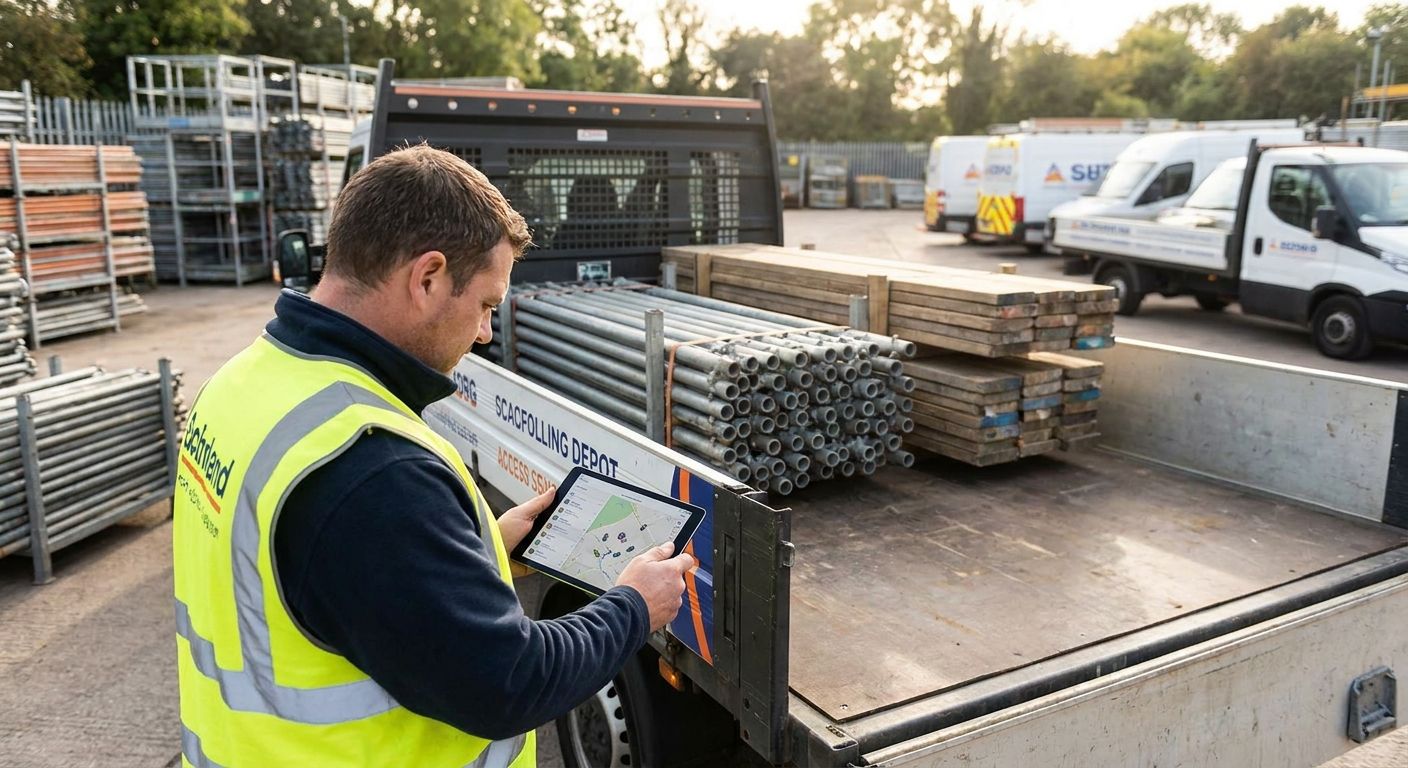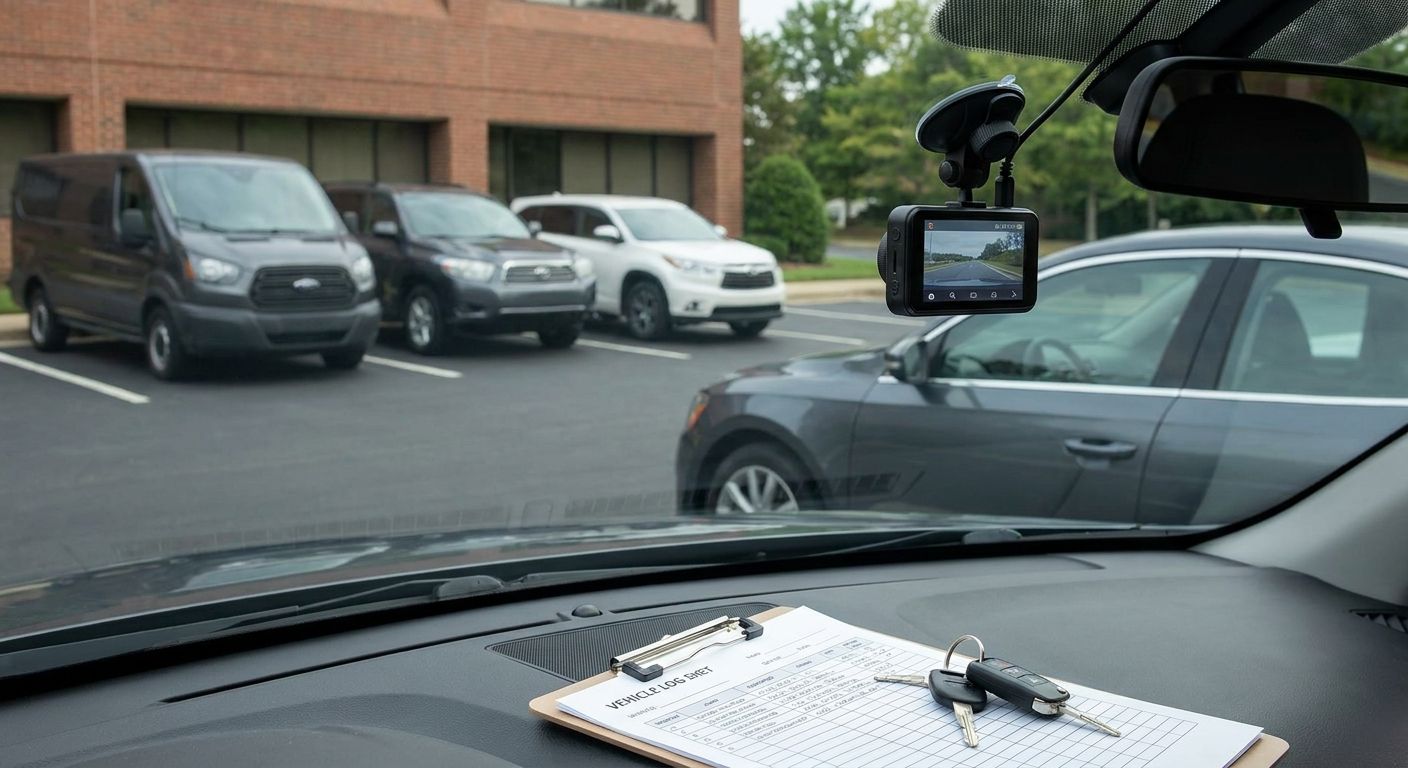
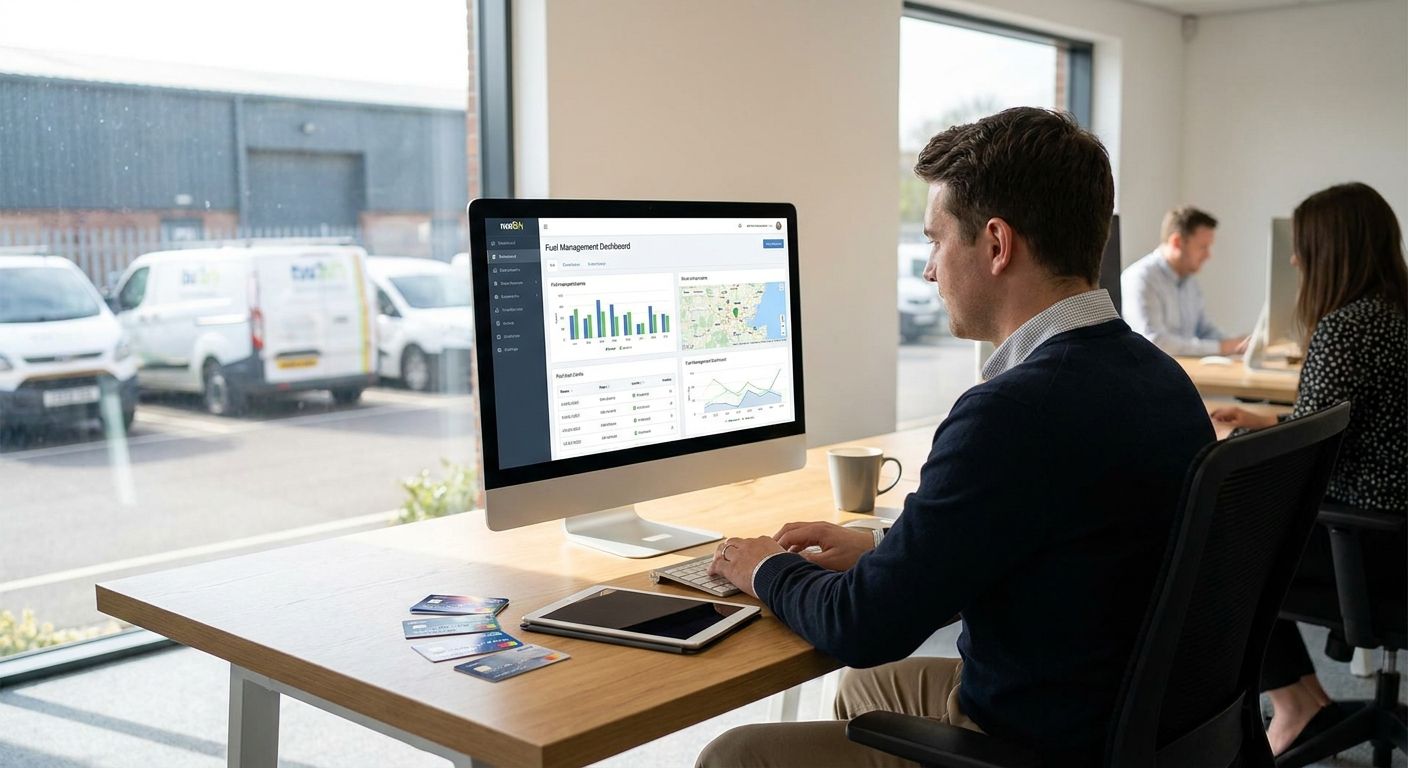
Fuel is the second-biggest running cost for most SME fleets after wages, and fuel card management software for fleets is what turns that spend from a pile of receipts into a number you actually control every month.
- Fuel card management software for fleets pays off fastest when transaction data links to vehicle telematics — Buy that combination.
- Standalone fuel card portals with no tracking link are workable under 10 vehicles; above that, Consider only.
- Spreadsheet reconciliation of fuel card statements is the slowest way to catch misuse in 2026 — Skip it.
- Fleets running 15+ vehicles usually see payback within 6-12 months through fewer out-of-hours transactions and tighter MPG tracking.
Why this matters
Fuel and insurance are the two cost lines an SME fleet manager can actually move week to week. A fuel card buys you pence-per-litre discounts and one invoice instead of fifty separate receipts, but the card itself doesn't explain why litres per mile crept up in March or which driver filled a diesel van with petrol at a motorway services. That's the job of the software sitting on top of the card data — and in 2026, the gap between fleets that check this weekly and fleets that check it quarterly is where most of the wasted spend lives.
The fix isn't a bigger spreadsheet. It's connecting the fuel transaction feed to something that already knows where the vehicle was and who was driving it — which is exactly what reducing fuel costs with fleet tracking data is built around.
Who this is for
This guide is for the SME fleet manager or owner-operator running somewhere between 5 and 50 vans, cars or HGVs who already holds a fuel card, or is about to apply for one, and wants software that makes fuel spend visible instead of a monthly reconciliation chore. Under five vehicles, the card provider's own app may cover you. Past that threshold, dedicated management software — standalone or bundled with vehicle tracking — starts paying for itself within a couple of billing cycles.
If you're a local authority or NHS trust fleet running a mixed EV and diesel yard, the fuel-versus-charging split adds another layer, and it's worth reading that alongside your standard fuel card evaluation.
What to look for in fuel card management software for SMEs
Real-time transaction visibility
You want alerts the moment a transaction happens, not a PDF statement 30 days later. Out-of-hours fills, unusually high litre counts, or a fuel type mismatch against the vehicle on file should flag the same day, not the same quarter.
Telematics and vehicle tracking integration
The single biggest upgrade over a bare fuel card is matching every litre bought against GPS location and mileage driven. This is how you catch mpg drift before it becomes a pattern rather than after three months of higher bills — see how to calculate ROI on fleet management software for the maths on what that's worth to a fleet your size.
Driver-level reporting, not just vehicle-level
A card tied to a vehicle tells you what that van spent. A card tied to a driver ID tells you who spent it, which matters when three drivers rotate through the same van across a week and the fuel bill jumps in one particular shift pattern.
HMRC and VAT-ready exports
Quarterly VAT returns and fuel benefit charge calculations need clean, exportable data. Software that dumps a raw CSV and calls it done pushes that admin back onto your finance team every quarter.
Network coverage and pence-per-litre transparency
A card with a huge network is worthless if you can't see the actual rebate applied per litre. Ask for the rebate breakdown before you sign, not after the first invoice.
Top approaches — what to actually buy
Telematics-linked fuel card management — the safe pick. Every litre bought is matched to GPS location and driver ID automatically. Fleets running this combination typically catch a discrepancy the same billing cycle it happens in, rather than a quarter later. Verdict: Buy.
Standalone fuel card app — the familiar pick. PIN control and a card provider's own portal, no tracking link. Fine under 10 vehicles; above 20, it's hard to sanity-check the fuel-to-mileage ratio by eye. Check where you sit against a broader shortlist of fleet management software for small businesses before assuming this is enough. Verdict: Consider — only under 10 vehicles.
Spreadsheet reconciliation — the false economy. Monthly CSV export checked manually against mileage logs. It adds hours of admin every month and surfaces misuse weeks after it happened, never before. Verdict: Skip.
Bundled fleet management suite with driver behaviour scoring — the wildcard. Fuel data sits next to harsh-braking and idling reports, so cause and effect show up on the same screen. Idling alone can burn 1-2 litres per hour of engine-on, no-movement time — cash that shows up on the fuel card bill and nowhere else unless it's flagged. Verdict: Buy — for fleets over 15 vehicles.


What to avoid
- Card programs with no driver ID export. If the fuel report only ties spend to a vehicle, you'll never isolate which driver's habits are pushing the bill up.
- "Fraud prevention" that's really just statement review. A dashboard that shows you last month's anomalies after the fact isn't prevention, it's history.
- Paying twice for the same reporting. Check whether your telematics subscription already reports on fuel-to-mileage ratios before adding a second paid layer on top of the card provider's own fee. Crystal Ball's fuel card solution is built to sit alongside vehicle tracking rather than duplicate it, which is the gap most SME fleets overpay for without realising.
The same telematics link that flags fuel misuse also feeds the vehicle usage data insurers ask for — worth reading alongside cutting fleet insurance premiums with vehicle tracking if you haven't reviewed your policy in the last renewal cycle.
“If your fuel card data lives in a different system to your tracking data, you're reconciling two versions of the truth every month.”
Verdict comparison
| Approach | Real-time alerts | Telematics link | Driver-level data | VAT-ready export | Verdict |
|---|---|---|---|---|---|
| Telematics-linked fuel card management | Yes | Yes | Yes | Yes | Buy |
| Standalone fuel card app | Partial | No | Vehicle-level only | Yes | Consider (under 10 vehicles) |
| Spreadsheet reconciliation | No | No | Manual | Manual | Skip |
| Bundled suite with driver behaviour scoring | Yes | Yes | Yes | Yes | Buy (15+ vehicles) |
FAQ
What is fuel card management software for fleets?
It's software that sits on top of a fuel card's transaction feed and turns raw litre-and-pence data into reports tied to vehicles, drivers and mileage. On its own, a fuel card just gives you an invoice; the software is what flags anomalies and exports VAT-ready data in 2026.
How much does fuel card management software cost for an SME fleet?
Pricing depends on fleet size and whether it's bundled with vehicle tracking or sold standalone, so get a quote against your actual vehicle count rather than a headline rate. Bundled packages usually work out cheaper per vehicle once you're past 15-20 units.
Is fuel card management software worth it for a 5-van fleet?
Below 10 vehicles, the card provider's own portal is often enough, since discrepancies are easy to spot by eye at that scale. Above 10 vans, dedicated software with telematics integration starts catching issues a manual review misses.
Can fuel card data be linked to vehicle tracking?
Yes — matching litres bought against GPS location and mileage driven is the single biggest upgrade over a bare fuel card. This link is what catches mpg drift and out-of-route fills before they become a pattern.
Does fuel card software help with VAT and HMRC reporting?
Good fuel card management software exports clean, VAT-ready data for quarterly returns and fuel benefit charge calculations. A raw CSV dump from the card provider usually still needs manual reformatting, which defeats the point.
What's the difference between a fuel card and fuel card management software?
The card is the payment instrument that gets you pence-per-litre discounts and one invoice; the software is the reporting layer that tells you what that spend actually means. You can hold a fuel card with no management software at all, but you'll be reconciling by hand.
How do I stop fuel card misuse in a small fleet?
Real-time transaction alerts tied to driver ID and vehicle location catch misuse the day it happens rather than at month-end. Spreadsheet reconciliation, by contrast, usually surfaces the same misuse weeks after the fact.
Does fuel card software work with electric vehicle charging?
Some fuel card platforms now report on charging spend alongside fuel, but coverage varies a lot by provider in 2026, so check this specifically if you're running a mixed EV and diesel fleet.
One last thing
Most SME fleet managers set up fuel card software to catch fraud and end up catching idling instead. Litres burned with the engine on and the vehicle stationary show up on the card statement as completely normal fuel purchases — no red flag, no alert, just a slightly higher monthly total that nobody questions. Cross-reference litres bought against ignition-on time before you go looking for a bad driver; the numbers usually point at the yard, not the road.