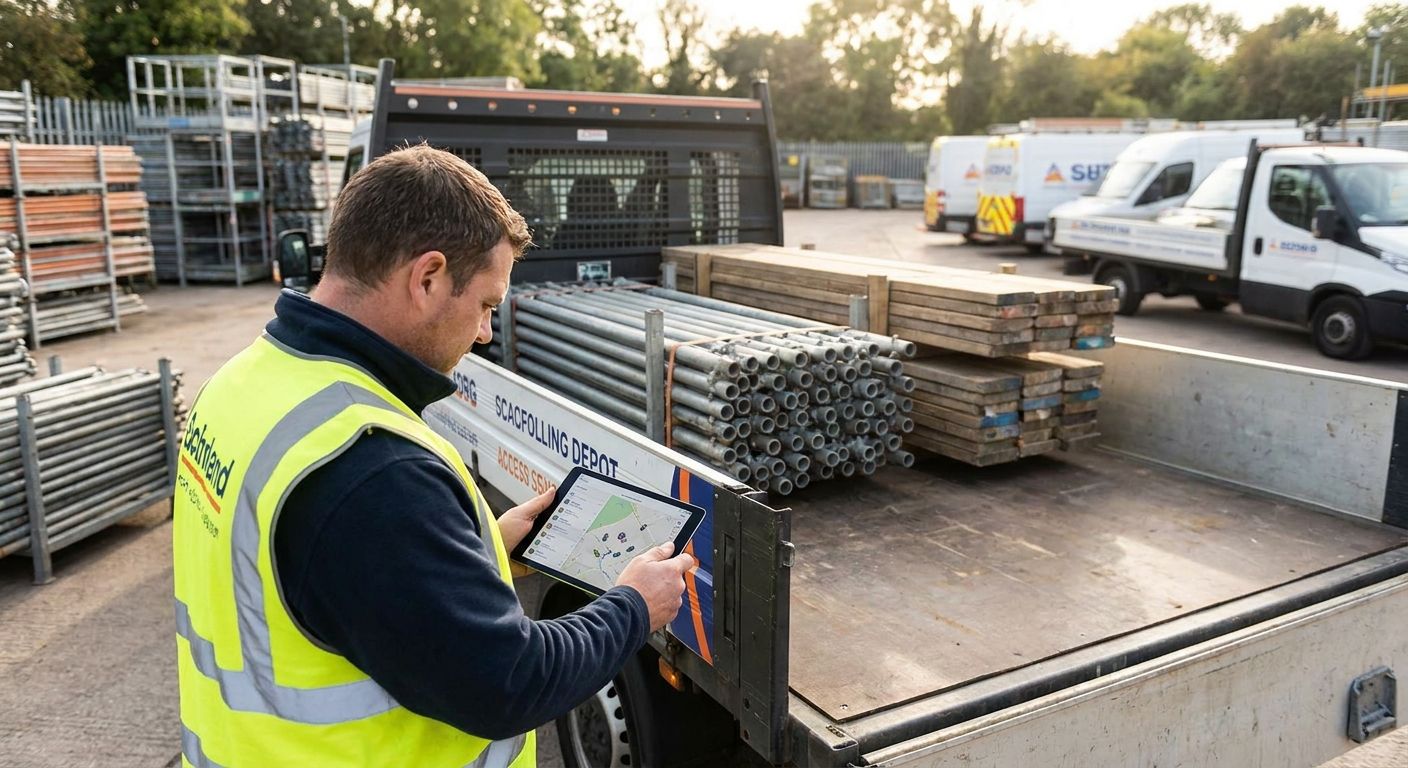
Parcel delivery franchise operators run on contracted margins and someone else's SLA, so fleet tracking for parcel delivery franchise operators has to earn its keep in weeks, not quarters, or the parent brand's penalty clauses eat the profit first.
- Van tracking with live ETA feeds is non-negotiable for franchise SLA compliance in 2026 - buy it before anything else.
- 4G dash cams tied to insurance-discount schemes pay back fastest for high-mileage delivery vans - Consider as tier two.
- Driver behaviour monitoring cuts at-fault claims but only matters once you're past 15-20 vans - Consider.
- Thatcham S5 and S7 trackers (from £198 to £548) suit high-value last-mile vehicles, not the standard delivery van fleet - Skip for most franchisees.
- Software that scales cleanly from 10 vans to 100 is the real differentiator as a franchise territory grows - Buy for growth-stage operators.
Why this matters
Franchise delivery operators answer to two masters: the parent brand's route and service standards, and their own P&L. A missed delivery window on a DPD, Evri or Amazon-style franchise route triggers penalty clauses that a single dashboard alert could have prevented.
Most franchise fleets run 5 to 40 vans, add drivers seasonally around peak, and replace vehicles on lease cycles the operator doesn't fully control. Fleet tracking for parcel delivery franchise operators in 2026 needs to work inside those constraints, not around them - which rules out a lot of tracking software built for owner-operator hauliers or long-haul logistics.
Who this is for
This guide is for franchise owners and area managers running delivery vans under a national courier brand, typically 5 to 50 vehicles, with drivers who turn over faster than in most trades and a parent-company reporting requirement sitting on top of day-to-day dispatch. If you're managing a single van or a two-vehicle side operation, the calculus on cost-per-vehicle changes - a van tracking system for courier and delivery fleets is still worth reading, but the ROI math below assumes fleet, not solo, scale.
What to look for in fleet tracking for parcel delivery franchise operators
Live ETA and route visibility tied to SLA windows
Franchise contracts are graded on delivery windows, not just completed drops. A system that only shows where a van was an hour ago doesn't help when a parent brand's ops team is asking why route 14 is running 40 minutes late right now.
Route replay and empty-running data
Delivery vans that backtrack, idle in depot yards, or run half-loaded routes are burning fuel margin invisibly. Route replay data turns a gut feeling ("that van's always slow") into a specific fix, and pairs well with the guidance in how to reduce empty running with van fleet route planning.
Driver behaviour scoring linked to insurance
Harsh braking, speeding and idle time drive up claims frequency, and claims frequency drives up the fleet insurance renewal. A franchise running 20+ vans with clean behaviour scores has a real negotiating position at renewal; one running blind does not.
Proof-of-delivery and dispute evidence
Missed-delivery disputes and "item never arrived" claims cost franchise operators time and, in repeat cases, standing with the parent brand. Timestamped dash cam footage settles most of these arguments in minutes instead of days.
Multi-depot visibility that scales with the territory
A franchise that starts at 8 vans and wins a second depot within 18 months needs software that adds vehicles and sites without a system migration. Bolt-on tracking that only works cleanly under 15 vehicles becomes a liability the moment the territory grows.
Fast driver onboarding
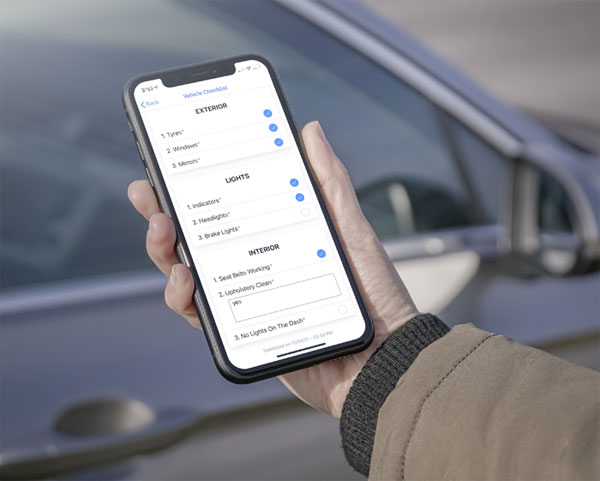
Delivery driving has high seasonal churn, especially around peak trading periods. A tracking system that takes a new starter 20 minutes to set up beats one that needs a half-day training session, every single time.
Top picks for parcel delivery franchise operators in 2026
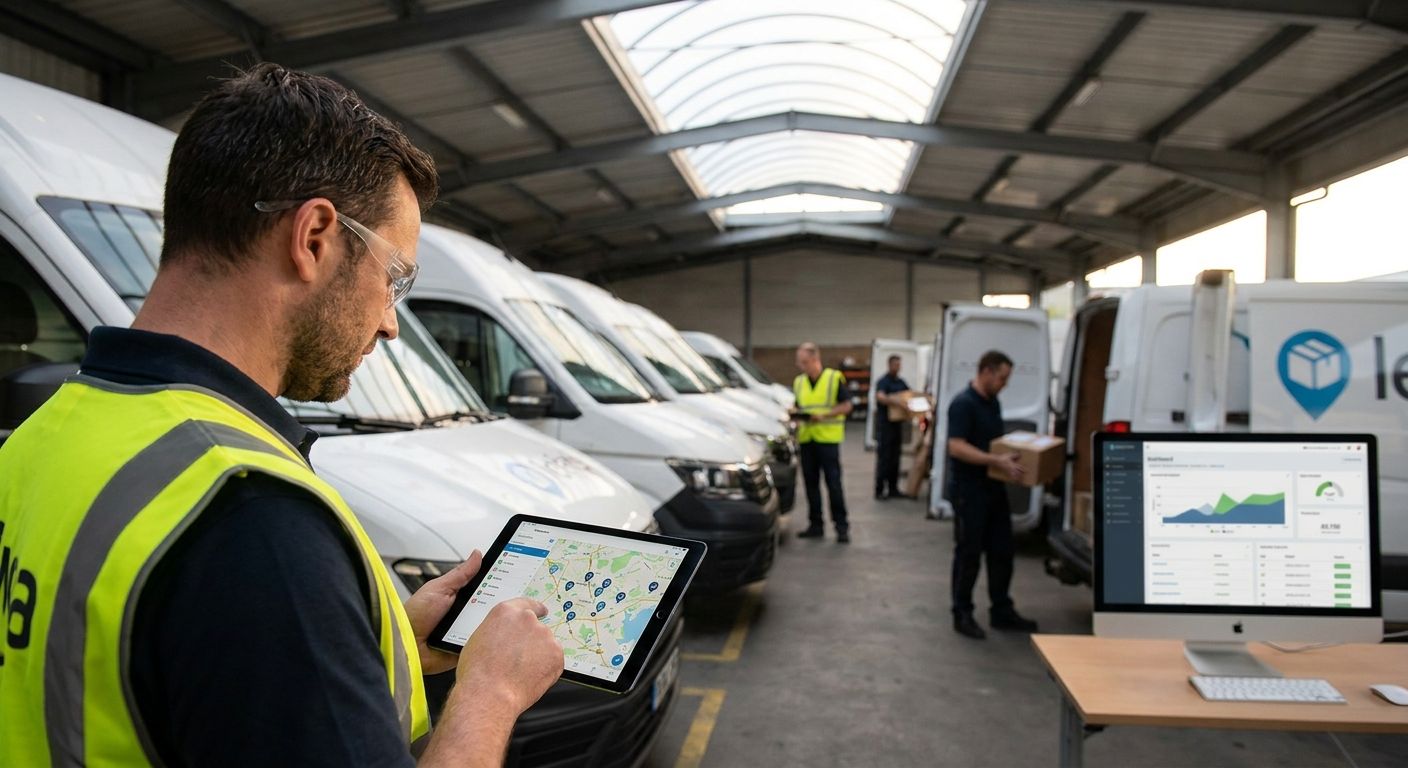
The SLA safeguard. Live van and fleet tracking with route replay is the baseline, not an upgrade. The spec that matters here isn't top speed or battery life - it's how fast the dashboard surfaces a late-running route to whoever's fielding parent-brand queries. Verdict: Buy.
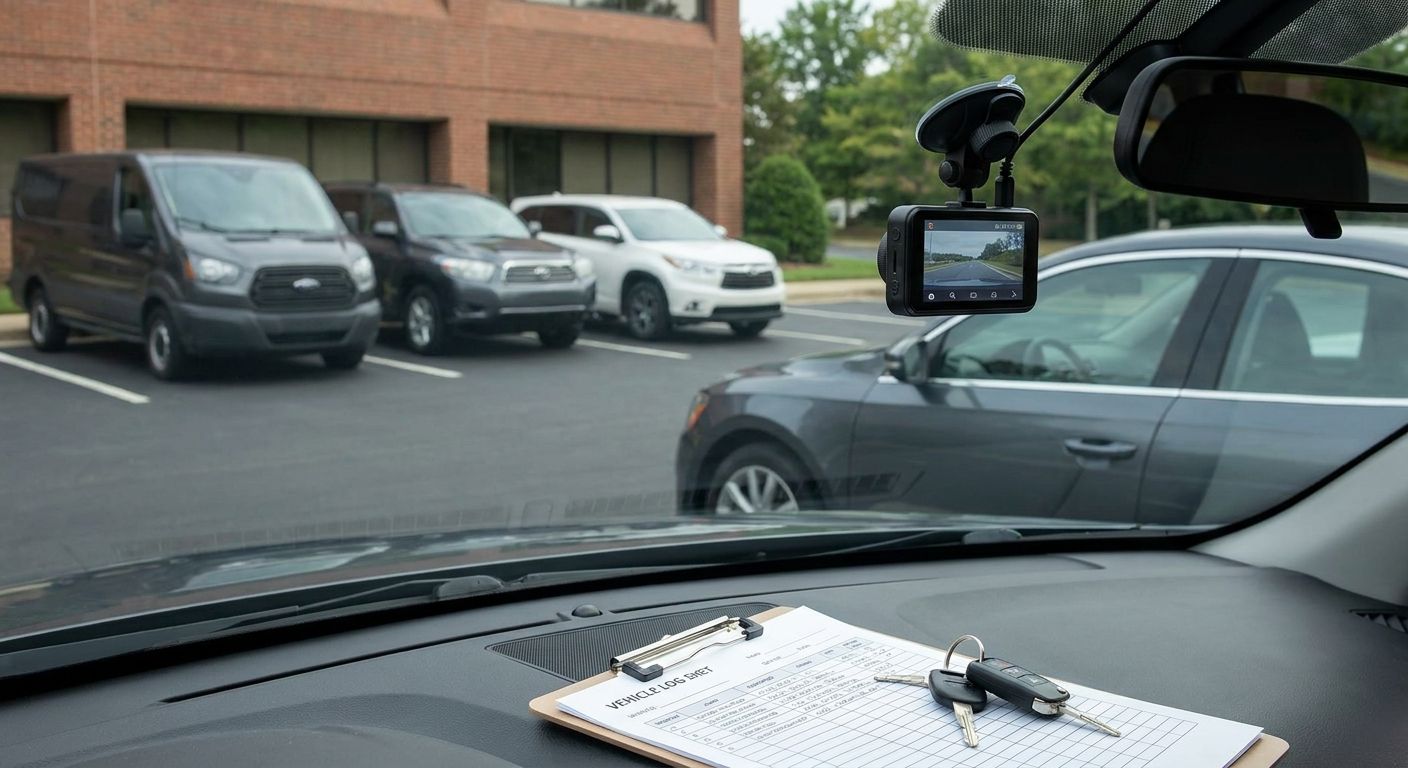
The insurance play. 4G dash cams built for fleet use do two jobs at once: they generate footage for delivery disputes and they qualify many operators for insurer discount schemes. Detail worth checking before buying: whether the model on your shortlist appears on your insurer's approved list, covered in best 4G dash cams for fleet insurance discounts. Verdict: Buy for any fleet doing daily urban mileage.
The safety net. Driver behaviour monitoring pays off once a franchise is running enough vehicles that one bad driver isn't a rounding error on the claims history. Under 15 vans, the data is thin and the admin overhead can outweigh the benefit. Verdict: Consider once you cross roughly 15-20 vehicles.
The high-value outlier. Thatcham S5 and S7 trackers, priced at £374 and £198 respectively (with the S5 Plus at £548), are built for insurance-approved theft monitoring on vehicles worth protecting individually - think a branded high-value refrigerated van, not a standard panel van doing last-mile drops. Most franchise delivery fleets don't need Thatcham-grade tracking on every vehicle. Verdict: Skip for the general fleet, Consider for any standout high-value vehicle.
The growth test. Fleet management software that onboards driver ten and driver one hundred with the same ease matters more than any single feature once a franchise starts winning territory. Verdict: Buy if you're actively growing; Hold if the fleet size has been flat for two years.


What to avoid
- Long-haul telematics dressed up as delivery software. Systems built for HGV route planning across multiple days of driving don't map cleanly onto a 40-drop urban route that resets every morning - you'll pay for features you never touch.
- Thatcham-grade tracking on every standard van. It's real theft protection, but at £198-£548 per unit it's the wrong spend when the vehicles are leased, insured through a fleet policy, and doing predictable local routes.
- Any system with a per-depot licence wall. If adding a second depot means a new contract negotiation instead of adding vehicles to an existing account, it will slow down the exact growth moment the software should be supporting.
Verdict comparison table
| Solution | SLA visibility | Insurance impact | Scales past 20 vans | Verdict |
|---|---|---|---|---|
| Fleet Vehicle Tracking | Live ETA and route replay | Indirect (behaviour data) | Yes | Buy |
| 4G Fleet Dash Cams | Dispute evidence, not routing | Direct - insurer discount schemes | Yes | Buy |
| Driver Behaviour Monitoring | Indirect | Direct - fewer at-fault claims | Yes | Consider at 15-20+ vans |
| Thatcham S5 / S7 Tracker | Theft-focused, not routing | Direct on covered vehicle only | No (per-vehicle cost) | Skip for general fleet |
FAQ
What's the best fleet tracking system for parcel delivery franchise operators in 2026?
Live van tracking with route replay and SLA-focused alerts is the baseline for parcel delivery franchise operators in 2026, since franchise contracts are graded on delivery windows rather than just completed drops. Layer in a 4G dash cam once you're settling delivery disputes more than once a month.
Is a 4G dash cam worth it for a single-franchise delivery fleet?
Yes, for any franchise running daily urban mileage, because footage settles missed-delivery disputes in minutes and many insurers offer discount schemes for approved dash cam models. Check your insurer's approved list before buying a specific unit.
Do parcel delivery franchises need Thatcham-approved trackers on every van?
No - Thatcham S5 and S7 trackers, priced from £198 to £548, are built for insurance-approved theft monitoring on individually high-value vehicles, not standard leased delivery vans. Reserve them for any standout high-value vehicle in the fleet rather than the whole roster.
How does fleet tracking cut insurance premiums for franchise operators?
Fleet tracking lowers premiums mainly through driver behaviour data and insurer-approved dash cam schemes, both of which reduce claims frequency over time. A franchise with clean behaviour scores across 20+ vans has a stronger negotiating position at renewal than one with no data at all.
Can fleet tracking software scale from a handful of vans to a full franchise territory?
It depends entirely on the platform - software built with a per-depot licence wall slows growth, while software that adds vehicles and sites to an existing account supports it. Growth-stage franchises should test this specifically before signing, not assume it.
What's the difference between GPS tracking and telematics for parcel delivery vans?
GPS tracking shows where a vehicle is and where it's been; telematics adds driver behaviour, fuel, and vehicle health data on top of location. Delivery franchises typically need both, since location alone doesn't explain why a route is running late.
How long does driver onboarding take on a new fleet tracking system?
A well-designed system should onboard a new driver in around 20 minutes, which matters for delivery franchises given how often drivers turn over seasonally. Systems requiring half-day training sessions create a bottleneck every time the fleet adds seasonal drivers.
One last thing
The franchise operators who get the most out of fleet tracking in 2026 aren't the ones with the most sensors - they're the ones who actually pull the route replay data once a week and act on it, because a dashboard nobody checks is just an expensive screensaver.