Pharmaceutical wholesalers and medical courier operators move cargo that spoils, gets stolen, or gets prescribed by a doctor if it goes missing — a stolen consignment of controlled drugs costs a lot more than a stolen van. This guide covers what fleet tracking medical courier operations actually need in 2026, and which tools solve which problem.
- Fleet tracking medical courier operations need geofencing, cold-chain alerts and Thatcham-rated security in one system.
- 4G dash cams matter here for chain-of-custody proof, not just accident footage — that's a different use case entirely.
- Skip basic OBD-plug trackers for controlled drugs runs; Thatcham S5 or S7 hardware is the floor, not the ceiling.
- Lone worker protection matters because most medical couriers run solo, out-of-hours drops with no second driver.
Why this matters
Medical courier fleets sit at the intersection of two risk categories that don't usually overlap: high-value cargo theft and regulated compliance. A blood sample or vaccine consignment that sits outside its 2-8°C range for even part of a journey can be written off, and MHRA Good Distribution Practice guidance expects operators to produce temperature and location records on demand, not reconstruct them after the fact.
Controlled drugs runs add a second layer. A driver diverting from a scheduled route, or a vehicle parked somewhere it shouldn't be for twenty minutes, is the kind of event a healthcare fleet management system should flag automatically — not something a fleet manager finds out about from a complaint. Standard courier tracking wasn't built for this. Medical courier fleets need a stack that proves where the vehicle was, what temperature the cargo was at, and who signed for it, every time.
Who this is for
This guide is written for operations managers at pharmaceutical wholesalers, hospital logistics contractors, pathology sample couriers, and NHS or private medical courier firms running vans between depots, hospitals, GP surgeries and patients' homes. If your fleet carries anything with a cold-chain requirement, a controlled drugs register entry, or a chain-of-custody obligation, this applies to you.
What to look for in fleet tracking for medical courier fleets
Cold-chain and temperature alerting
Cargo integrity is the first thing an auditor asks about, and a tracker that only reports location tells you nothing about whether the load survived the trip. You need real-time alerts the moment a fridge unit drifts out of its 2-8°C range, not a report you pull at the end of the week. Without this, a spoiled batch is a surprise instead of a caught event.
Chain-of-custody proof
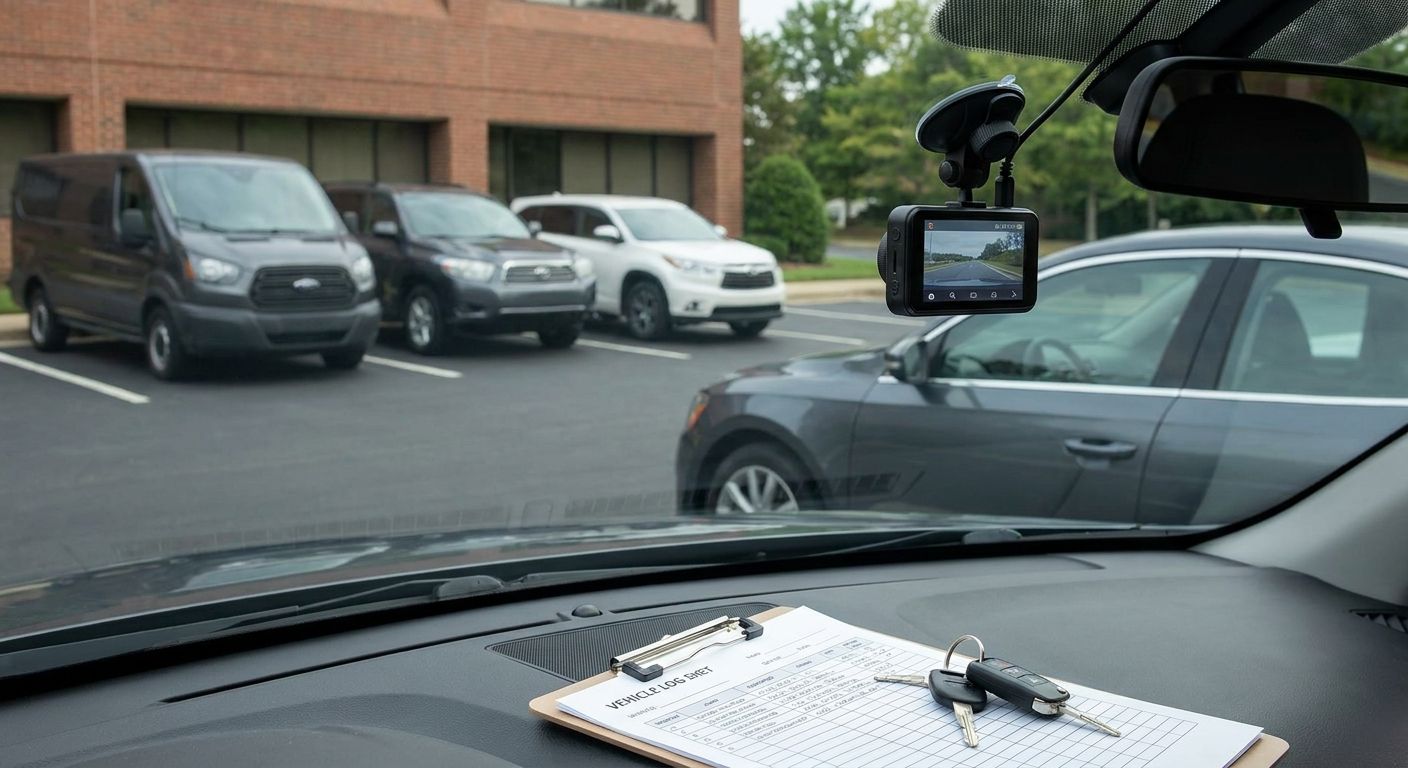
A delivery signature on paper doesn't hold up when a hospital disputes receiving a consignment. A 4G dash cam with geofenced delivery confirmation timestamps the drop, records who was present, and gives you footage you can pull in minutes rather than days. That matters more for medical couriers than for general parcel delivery, where a missing item is an inconvenience rather than a clinical incident.
Thatcham-rated theft protection
Pharmaceutical cargo resells, which makes courier vans a theft target in a way an empty panel van isn't. A Thatcham S5 or S7 tracker gives you remote immobilisation and 24/7/365 monitoring centre response — the S7 category adds driver recognition tags, which matters when several drivers share a vehicle across shifts. A tracker that only shows a dot on a map after the fact doesn't stop a theft in progress.
Lone worker protection
Medical couriers frequently run solo, outside standard nine-to-five hours, dropping specimens at unattended collection points. A lone worker app for field service engineers style setup with a panic button and scheduled check-ins closes a gap that a vehicle tracker alone can't cover, because the risk to a lone driver at 2am doesn't show up on a GPS map until something's already gone wrong.
Audit-ready reporting
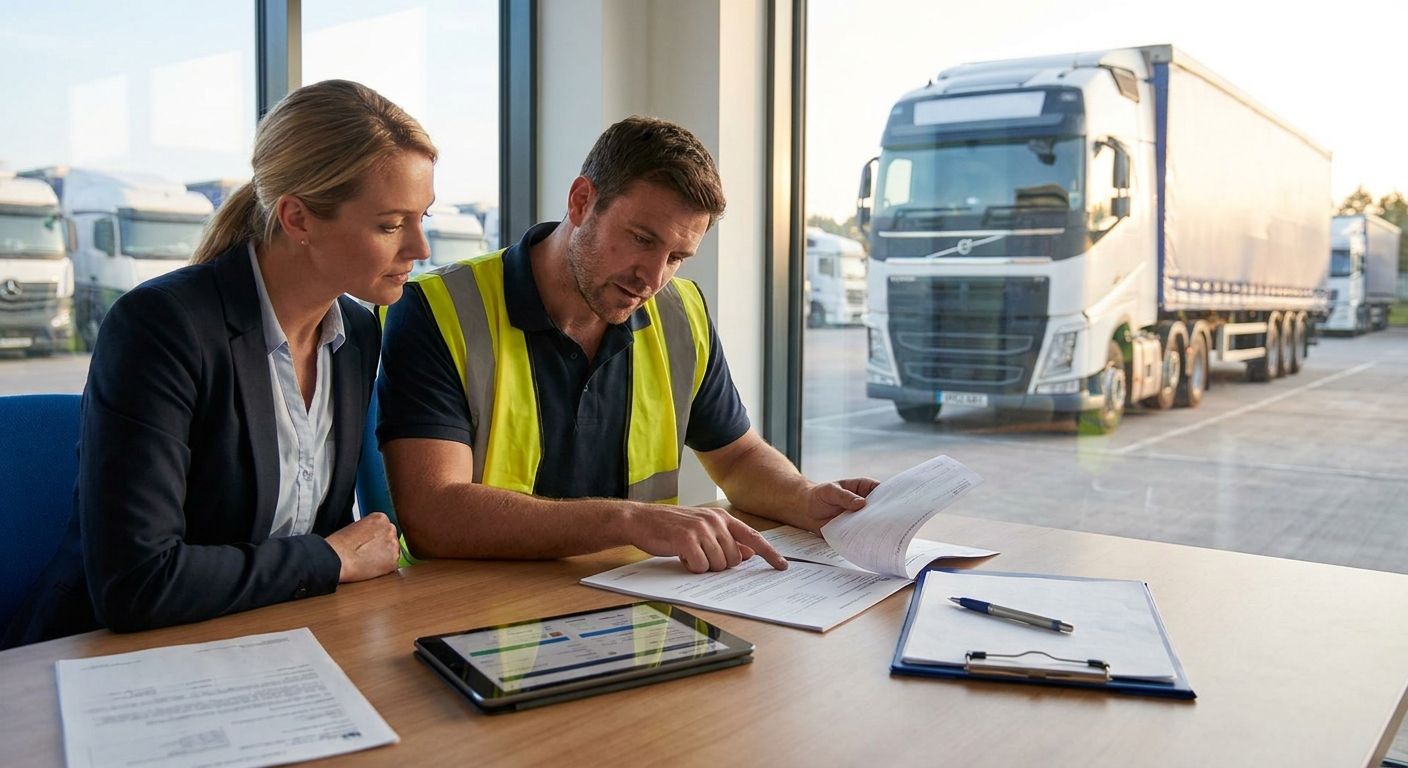
MHRA GDP inspections and NHS contract audits both ask for the same thing: a retrievable record of temperature, location and delivery confirmation, tied to a specific journey. If pulling that record takes your team half a day of manually cross-referencing spreadsheets, the system isn't doing its job.
Top picks for medical courier fleet tracking
The cold-chain fix
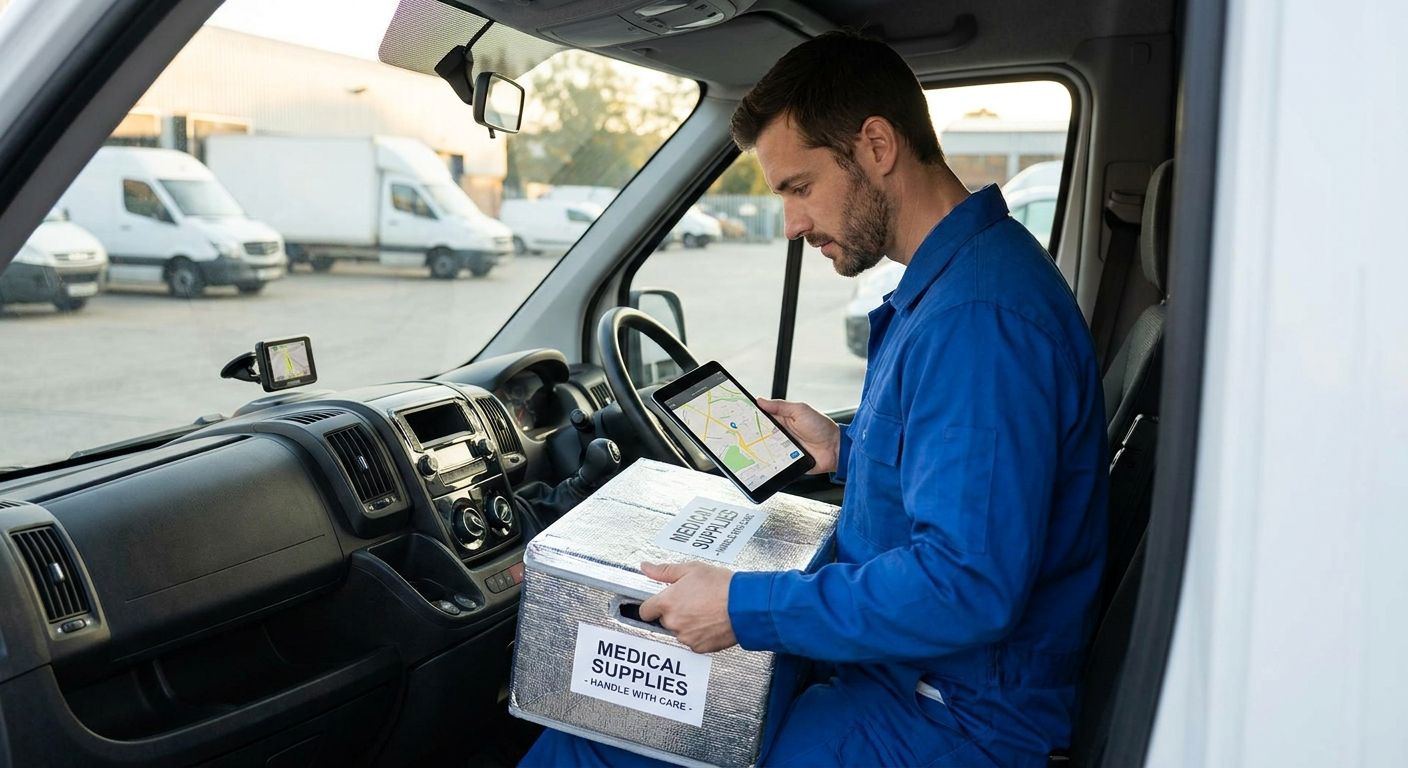
Refrigerated delivery fleet management is the specific tool built around temperature-sensitive cargo. It flags excursions outside the 2-8°C range in real time and ties the alert to the vehicle's exact location and route history, so you know precisely where and when a load went out of spec. Verdict: Buy if any part of your medical courier fleet handles vaccines, blood products or temperature-controlled pharmaceuticals.
The base layer
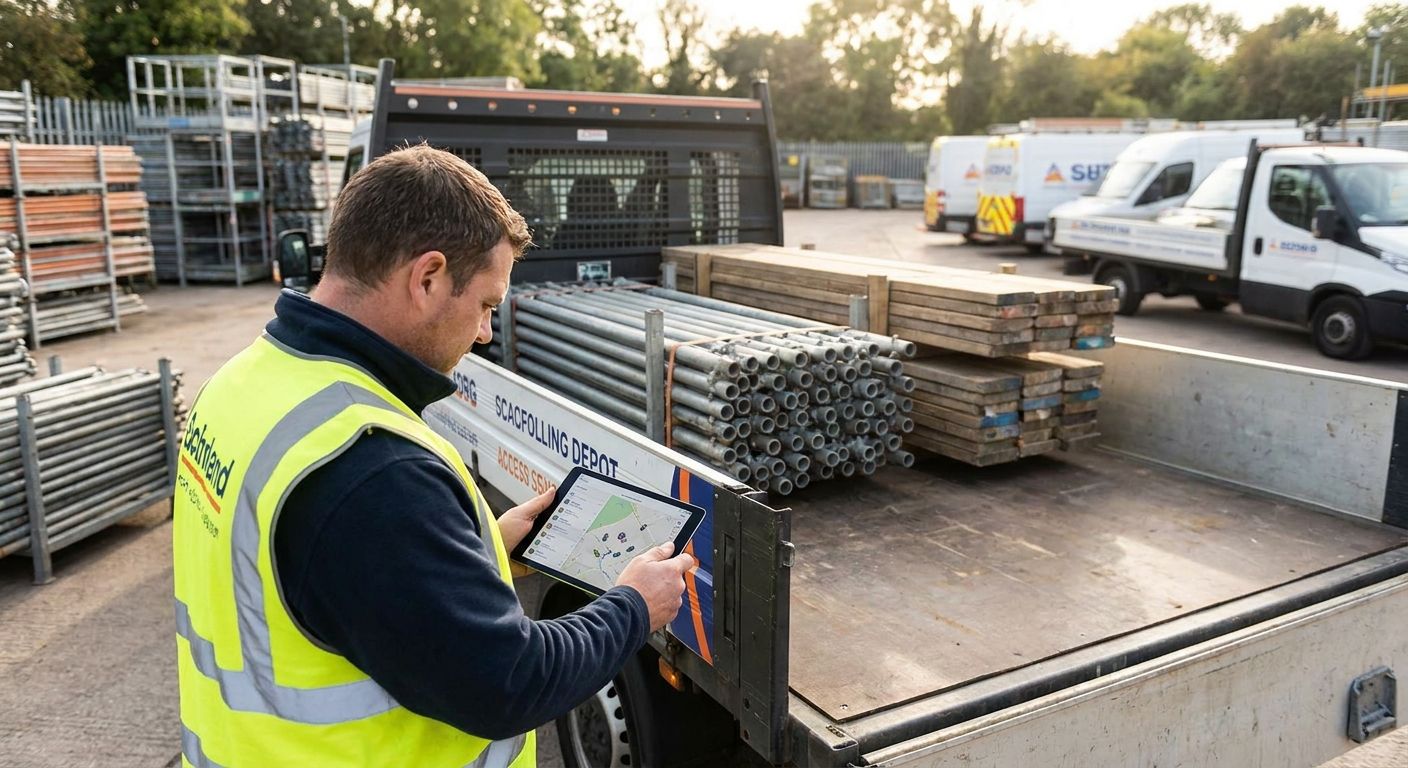
Every cold-chain and security feature sits on top of a working GPS platform. A van tracking system for courier and delivery fleets gives you real-time location, geofence alerts on depots and drop points, and route history you can pull for any journey in 2026. Without this layer nothing else in the stack has anywhere to attach. Verdict: Buy — this is the non-negotiable starting point.
The safety net
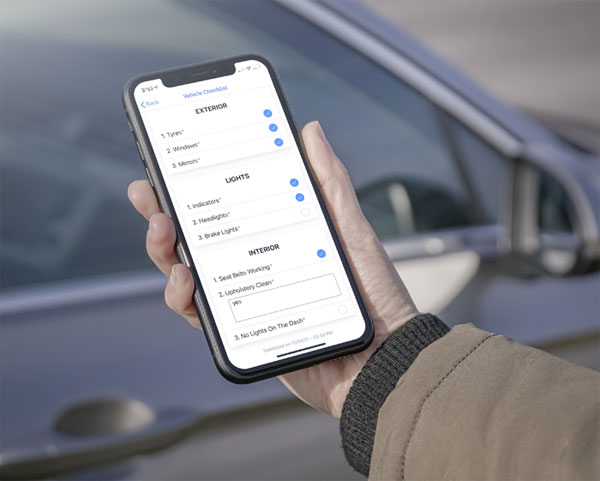
A solo courier delivering to an unattended collection point at 6am has no colleague to call for help. Lone worker protection modelled on the lone worker apps used by field service engineers adds panic alerts, scheduled check-ins and automatic escalation if a driver misses a check-in window. Verdict: Consider — essential if your rota includes overnight or solo out-of-hours runs, less urgent for daytime depot-to-depot transfers with two-person crews.
The insurance play
Fitting Thatcham-rated tracking hardware isn't only a theft deterrent — it's a lever on premiums. Cutting fleet insurance premiums with a vehicle tracking system explains how insurers price down fleets running verified tracking, which matters more for medical courier fleets than most because high-value cargo already pushes premiums up. Verdict: Consider — worth a conversation with your broker before you renew.


What to avoid
- Basic OBD-II plug trackers with no tamper alert. They unplug in seconds, which defeats the point for anyone targeting a high-value drug load — a Thatcham S5 or S7 unit is hardwired and monitored for exactly this reason.
- Dash cams without 4G upload. A camera that only stores footage locally is useless for chain-of-custody disputes, because the footage that matters is the footage you need before someone can tamper with the card.
- Generic route apps with no geofence alerting. They'll reroute a driver around traffic but won't flag a ten-minute deviation from a scheduled cold-chain delivery, which is the exact event you need caught in real time.
Verdict comparison
| Criteria | Cold-chain fix | Base van tracking | Lone worker app | Insurance-linked tracking |
|---|---|---|---|---|
| Temperature alerting | Yes | No | No | No |
| Theft/security rating | Partial | Depends on hardware | No | Thatcham S5/S7 |
| Lone worker panic alert | No | No | Yes | No |
| Audit-ready reporting | Yes | Partial | No | Partial |
| Verdict | Buy | Buy | Consider | Consider |
FAQ
What's the best fleet tracking for medical courier fleets in 2026?
A combination of Thatcham S5 or S7-rated GPS tracking, real-time cold-chain temperature alerting, and a 4G dash cam for delivery proof covers the core risks. No single feature covers cargo theft, spoilage and custody disputes on its own.
Is Thatcham S7 better than S5 for medical courier vans?
S7 adds driver recognition tags on top of S5's remote immobilisation and 24/7/365 monitoring, which matters more when several drivers share the same vehicle across shifts. Single-driver vans can run on S5 without losing meaningful protection.
Do medical courier vans need 4G dash cams?
Yes, because the footage doubles as chain-of-custody evidence for delivery disputes, not just accident evidence. A camera without 4G upload can't be pulled remotely before a card is lost or tampered with.
How much does fleet tracking cost for a small medical courier fleet?
Hardware costs vary by tracker category; Thatcham S5 and S7 units are priced separately from software subscriptions. Get a quote based on fleet size and cargo type rather than assuming a flat per-vehicle rate.
Can fleet tracking help with MHRA GDP compliance?
Yes, real-time temperature and location logging gives you the retrievable records MHRA Good Distribution Practice inspections ask for. Manually reconstructing that data after an audit request is the slower, riskier alternative.
Do lone worker apps matter for medical couriers?
They matter when drivers run solo drops outside normal hours, which is common for overnight specimen and vaccine runs. A panic alert and scheduled check-in close a safety gap a vehicle tracker alone doesn't cover.
Does vehicle tracking reduce insurance premiums for medical courier fleets?
Insurers commonly price down fleets running verified Thatcham-approved tracking, and high-value pharmaceutical cargo makes that discount more meaningful. Confirm the specific terms with your broker before renewal.
One last thing
The detail most medical courier operators miss until an audit forces the issue: a temperature excursion and a location deviation are two separate alerts that need to be cross-referenced against the same timestamp, not read in isolation. A fridge unit drifting to 9°C for six minutes while the van is stationary outside a scheduled stop tells a very different story than the same drift while the van is fifteen minutes off-route. Systems that show both on one timeline save the argument before it starts.
Crystal Ball's fleet tracking for medical courier operators is built around that overlap — cold-chain alerting, Thatcham-rated security, and delivery-point geofencing sitting on one dashboard rather than three separate logins. That's the difference between reconstructing a 2026 incident from three data sources and pulling one report.