Commercial fleet breakdown cover ranges from a bare-bones roadside call-out to full HGV recovery with onward travel and driver welfare — this comparison ranks the six cover tiers that actually matter for UK fleets in 2026, so you stop paying for cover you don't need.
- Basic roadside-only fleet breakdown cover suits single-van operators on tight budgets — Buy for start-ups, Skip for HGVs.
- Telematics-integrated breakdown cover cuts callout confusion by giving recovery firms exact GPS coordinates — Buy for 2026 fleets.
- HGV recovery cover with specialist lifting gear is non-negotiable above 7.5 tonnes GVW — Buy, don't Wait.
- European cover only earns its keep if vehicles cross borders monthly, not once a year — Skip for UK-only routes.
- Onward travel and relay cover matters most for time-critical delivery fleets — Consider before peak season.
Why this matters
A single breakdown on an HGV can take a vehicle off the road for a full day once recovery, diagnostics and parts are factored in — and that's before you count the missed deliveries. Fleet breakdown cover exists to shorten that window, but the tier you buy determines whether a callout takes 45 minutes or four hours.
The cover itself doesn't prevent breakdowns. What it does is decide how fast a recovery firm can locate, diagnose and move your vehicle once something fails. Fleets running vehicle tracking systems that cut fleet insurance premiums already have the location and diagnostic data recovery firms need — the breakdown cover layer just needs to match that setup.
Most operators overbuy on cover for cars and underbuy for HGVs. Getting the tier wrong either wastes budget on unused onward-travel benefits or leaves a 26-tonne tipper stranded with no specialist recovery contract in place.
How this comparison was built
Each tier below is ranked against three fleet-relevant factors: response speed, vehicle-class fit, and whether the cover integrates with existing telematics data. Response bands reflect typical commercial roadside assistance standards for 2026 — not a single provider's marketing claim.
Providers like RAC Business, AA Business Services, Green Flag Commercial and Britannia Rescue all sell versions of these tiers, but the tier structure — not the badge on the recovery truck — is what determines whether your fleet gets moved in 60 minutes or sits waiting for a specialist low-loader.
The verdicts below assume a mixed fleet of cars, vans and at least one HGV over 7.5 tonnes, which is the most common commercial profile in 2026.
The ranked list: fleet breakdown cover tiers
1. Roadside-only cover — the bare minimum
The cheapest tier available, roadside-only cover gets a technician to a stranded vehicle on a public road or motorway hard shoulder but stops there. No home start, no recovery to a garage beyond a short tow radius, no onward travel for the driver.
This works for single-van operators or fleets under five vehicles where downtime cost is low and budget is the deciding factor. It fails fast for anything larger — one van stuck at a depot gate with no home-start clause means a wasted morning.
Verdict: Buy for micro-fleets under five vehicles. Skip for anything with an HGV in the mix.
2. Roadside plus home start
Adds cover for vehicles that won't start at the depot or driver's home, which sounds minor until a van fleet's first job of the day is a no-start battery fault. This tier typically adds a modest premium over roadside-only but closes the single biggest gap fleet managers report: vehicles dying overnight in the yard.
For van-based trades — plumbing, electrical, facilities — this is usually the sensible floor, not the ceiling.
Verdict: Buy for van and car fleets under 20 vehicles.
3. Onward travel and relay cover
This tier covers the driver, not just the vehicle: taxis, hire cars, or a relay vehicle so the job or delivery still happens while the original van sits with a recovery firm. For time-critical operators — same-day courier, refrigerated delivery, NHS transport — this is the difference between a late delivery and a lost contract.
The trade-off is cost: onward travel typically runs 20-30% above home-start-only packages. It's worth it only if a missed delivery window costs more than that premium.
Verdict: Buy for delivery and courier fleets. Consider for everyone else running tight schedules.
4. European cover for cross-border work
Built for HGVs and vans that regularly cross into the EU, this tier adds recovery, repatriation and driver welfare cover outside the UK. It's expensive relative to domestic-only cover and genuinely wasted on fleets that never leave the mainland.
If even one vehicle does a Channel crossing more than a handful of times a year, the cost of a stranded HGV in mainland Europe without this cover dwarfs the premium.
Verdict: Buy only if vehicles cross borders monthly or more. Skip for UK-only fleets.
5. Specialist HGV recovery cover
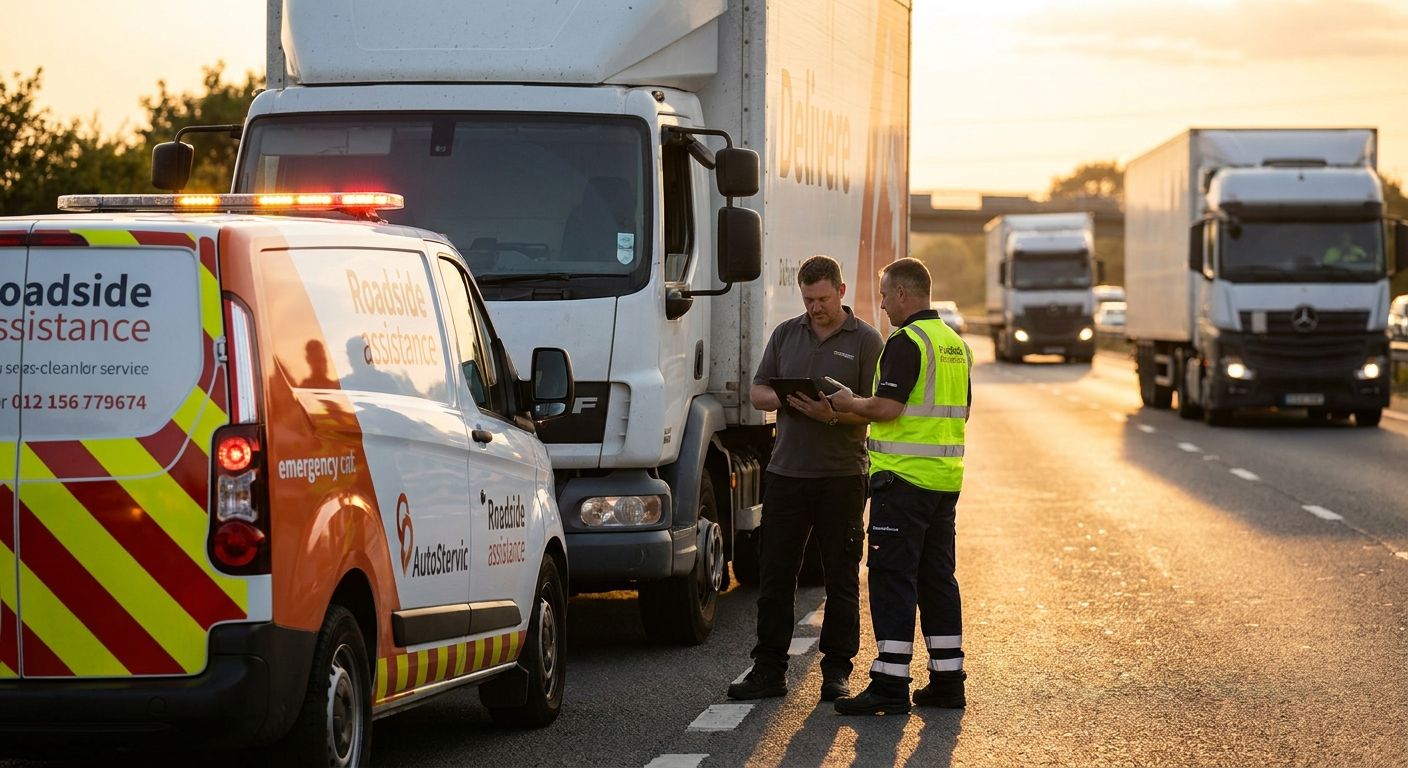
HGVs over 7.5 tonnes need lifting gear, trained recovery crews and often a second vehicle just to move the load safely — standard car-and-van breakdown contracts don't cover this. This tier is built specifically around specialist recovery vehicles and is priced accordingly.
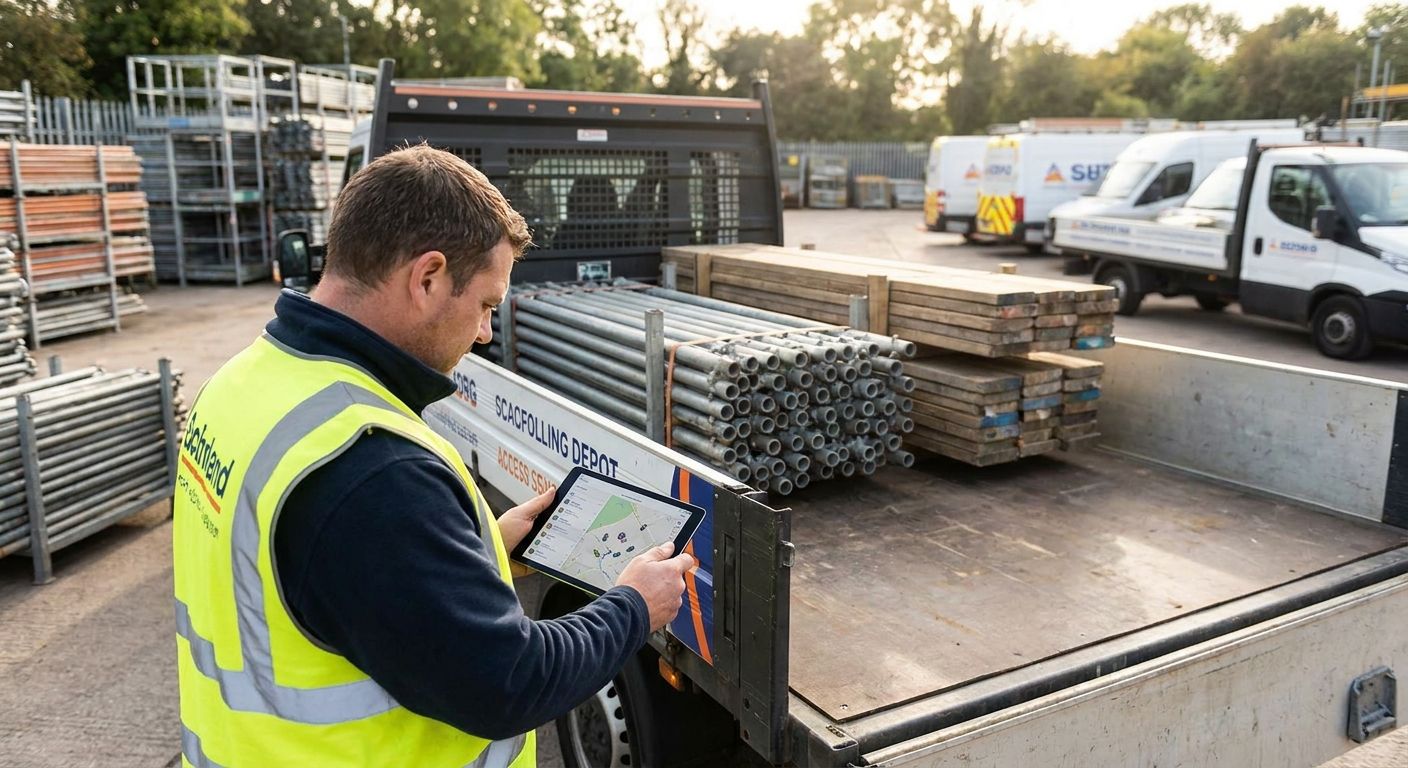
Fleets running commercial vehicle tracking for HGV operators already have live location and load data that speeds up dispatch once a specialist recovery firm is called — pairing that data with the right cover tier shaves real minutes off response time.
Verdict: Buy. This is not optional for any fleet running vehicles above 7.5 tonnes GVW.
6. Telematics-integrated breakdown cover
The newest tier on this list, and the one gaining ground fastest through 2026: cover packages that plug directly into a fleet's GPS tracking feed so recovery dispatch gets exact coordinates, vehicle diagnostics and driver contact details automatically, rather than a driver reading a location off a phone on a hard shoulder in the rain.
Fleets already running the best vehicle tracking devices for HGV fleets get the most value from this tier because the integration work is minimal — the data already exists, the breakdown provider just needs to read it.
Verdict: Buy for any fleet that already has GPS tracking installed. Wait if tracking isn't in place yet — fix that first.
Comparison table
| Cover tier | Response speed | Best fleet size | Verdict |
|---|---|---|---|
| Roadside-only | Standard | Under 5 vehicles | Buy (micro-fleets) |
| Roadside + home start | Standard | 5-20 vehicles | Buy |
| Onward travel / relay | Standard-fast | Any, delivery-critical | Buy / Consider |
| European cover | Standard | Cross-border only | Buy if applicable, else Skip |
| Specialist HGV recovery | Slower, specialist | HGV over 7.5t | Buy — mandatory |
| Telematics-integrated | Fastest | Any with GPS tracking | Buy |


Where to buy fleet breakdown cover
- Buy through a broker that specialises in commercial fleets, not a personal-vehicle breakdown provider repackaging cover for business use — the HGV recovery clauses differ substantially.
- Match the contract renewal date to your fleet review cycle, not the calendar year, so tier changes happen alongside vehicle additions rather than mid-contract.
- Ask the provider directly whether they accept GPS coordinates from third-party tracking systems — not every breakdown provider's dispatch software integrates cleanly with fleet telematics feeds in 2026, and this single question separates the tiers worth paying extra for.
FAQ
What's the best fleet breakdown cover for a mixed van and HGV fleet?
A tiered approach works best: roadside plus home start for vans, and specialist HGV recovery cover for anything over 7.5 tonnes. Buying one blanket policy for a mixed fleet usually means overpaying on vans or underinsuring the HGVs.
Is fleet breakdown cover cheaper than personal vehicle breakdown cover?
Per-vehicle cost is usually lower on a fleet policy than individual personal cover, because fleet contracts spread risk across more vehicles. HGV-specific tiers cost more per vehicle regardless of fleet size due to specialist recovery equipment.
How much does commercial fleet breakdown cover cost in 2026?
Cost varies by tier, fleet size and vehicle class, with HGV recovery and European cover priced well above roadside-only packages. Get a quote matched to your actual vehicle mix rather than a generic per-vehicle rate.
Does GPS tracking speed up breakdown recovery?
Yes — telematics-integrated breakdown cover uses live GPS coordinates instead of a driver describing their location, which cuts dispatch delay. This matters most on motorways and rural HGV routes where location description is unreliable.
Do I need European breakdown cover for a UK fleet?
Only if vehicles cross into the EU regularly. A fleet doing one or two continental trips a year is usually better off buying single-trip cover rather than a year-round European add-on.
What's the difference between roadside cover and recovery cover?
Roadside cover fixes a vehicle on the spot when possible; recovery cover tows it to a garage or depot when it can't be fixed roadside. HGVs almost always need the recovery tier because roadside fixes for trucks are rare.
Can dash cam footage help with a breakdown or accident claim?
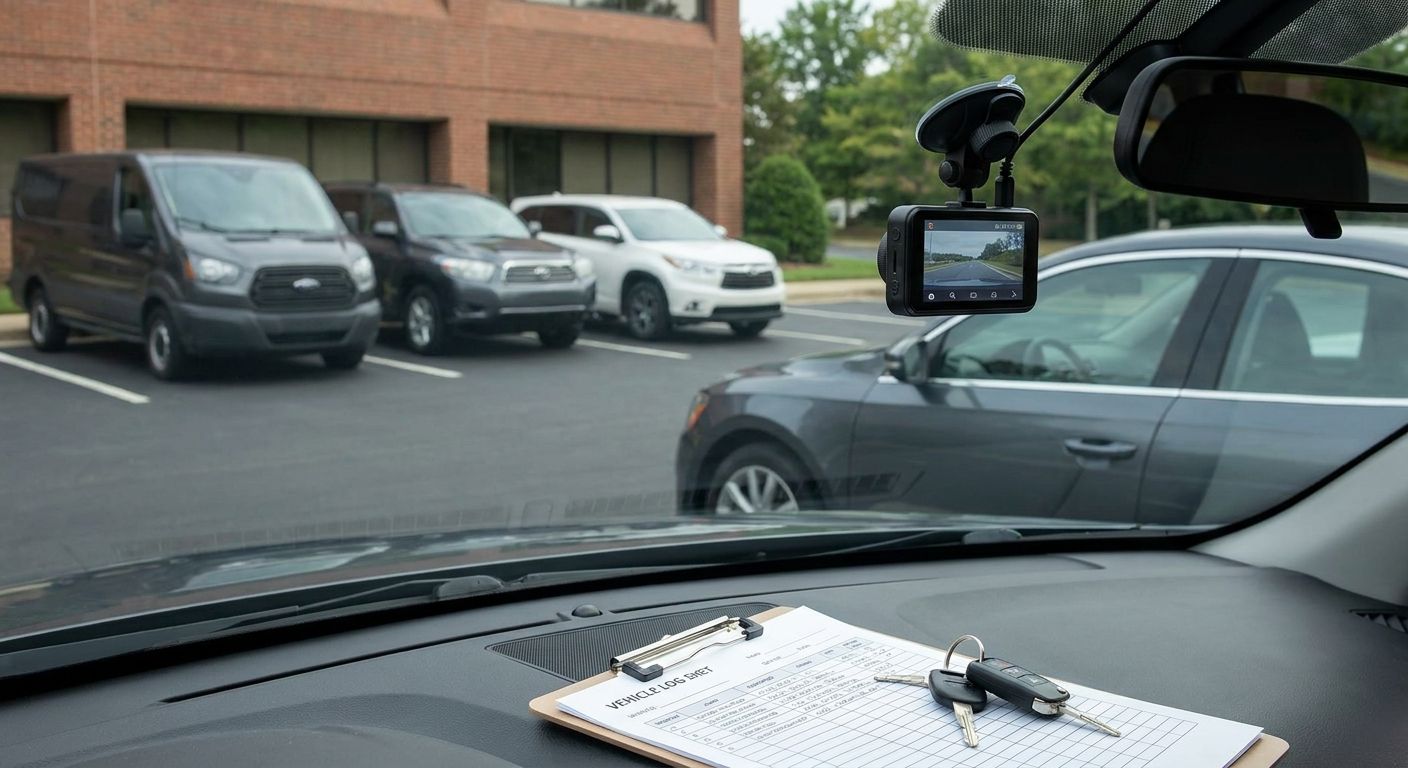
Yes — footage timestamps the incident and can support both breakdown callout logs and any related insurance dispute. Fleets running 4G dash cams alongside tracking typically resolve disputed claims faster.
One last thing
The fastest breakdown recovery in 2026 isn't the most expensive tier — it's the tier that's already wired into a fleet's existing tracking data. A £198 Thatcham S7 tracker feeding live GPS coordinates to a recovery dispatcher does more for response time than upgrading from roadside-only to European cover on a fleet that never leaves the UK.