Running preventative maintenance across cars, vans and HGVs on separate spreadsheets guarantees missed services and failed MOTs. This guide walks through building one preventative maintenance scheduling system for a mixed fleet — cars, vans, HGVs and EVs together — using actual telematics data instead of calendar guesswork.
- Preventative maintenance scheduling fleet-wide works best off telematics mileage and engine hours, not calendar dates.
- Mixed fleets need separate logic for diesel and EV vehicles — treating them the same skips EV-specific checks.
- HGV operators must inspect against DVSA-declared intervals, typically every 6 to 13 weeks depending on mileage.
- Fleet Vehicle Tracking and the Manager App turn odometer and engine-hour data into automatic service triggers.
Why this matters
A fleet running mixed vehicle types on three separate maintenance calendars will always miss something — a van's service window slips because nobody owns it, or an HGV inspection date sits in a spreadsheet nobody opens. Crystal Ball works with fleet managers who've moved from paper job cards to telematics-triggered scheduling, and the pattern is consistent: fleets running one calendar catch overdue services weeks earlier than fleets running several.
Getting preventative maintenance scheduling right in 2026 isn't about buying more software — it's about connecting mileage and engine-hour data to one system instead of chasing three different spreadsheets. A missed HGV inspection interval isn't just a maintenance gap, it's a compliance flag at the next DVSA audit.
What you'll need
- A full vehicle list: registration, class (car, van, HGV, EV), current mileage/engine hours
- Manufacturer service schedules for each vehicle type in the fleet
- HGV operator's licence inspection intervals as declared to the Traffic Commissioner
- A telematics or GPS tracking feed that reports live mileage and engine hours
- One shared calendar or fleet management platform, not per-department spreadsheets
- A named owner for car/van servicing and a separate named owner for HGV compliance
The steps
1. Audit every vehicle type and record its maintenance baseline
List every car, van, HGV and EV with make, model, current mileage or engine hours, and manufacturer service interval. Most cars run on a 12,000-mile or 12-month interval; EVs typically run every 24,000 miles or 24 months; HGV inspection frequency is declared to the DVSA and usually falls between 6 and 13 weeks depending on mileage and vehicle age. Applying one interval across all three vehicle types is the single most common reason mixed fleets miss services.
Expected outcome: one record per vehicle showing next-due mileage and date. Common mistake: copying diesel van intervals onto EVs in the same fleet, which skips EV-specific brake, coolant and battery checks.
2. Build one master calendar across vehicle types
Consolidate every vehicle's due dates into a single calendar tagged by class, registration and site — not three separate calendars for cars, vans and HGVs. Separate systems per vehicle class is exactly why nobody owns the full picture.
Expected outcome: one view showing every service, MOT and HGV inspection due in the next 90 days. Common mistake: building the calendar off estimated future mileage rather than actual mileage, which drifts within a few months.
3. Layer in statutory inspection and compliance dates
Add MOT dates, annual HGV test dates, and DVSA-declared inspection intervals into the same calendar as manufacturer servicing. A vehicle can pass its manufacturer service and still be non-compliant if the interim inspection lapses. HGV operators must run inspections against the frequency declared on their operator's licence — daily walkaround checks happen separately, every time the vehicle is used.
Expected outcome: no vehicle sits outside the visible calendar for compliance dates. Common mistake: treating the annual test as the only checkpoint and ignoring interim inspection intervals.
4. Trigger services off telematics data, not calendar guesses
Connect GPS tracking or engine-hour data so services trigger once a vehicle actually hits its threshold, not an estimated date. A van doing 25,000 miles a year and a car doing 6,000 miles a year can't share one 12-month reminder. Managing this gets harder once EVs and diesel vehicles sit in the same fleet — the mixed EV and diesel fleet telematics guide covers how to keep both on separate but connected triggers.
Expected outcome: reminders fire off real usage, not paperwork. Common mistake: relying on driver self-reported mileage, which is routinely rounded or skipped.
5. Assign ownership per vehicle class
Name one person responsible for car and van servicing and a separate contact for HGV compliance, even in a small fleet. Preventative maintenance scheduling fails when it's everyone's job — that's how faults sit unassigned for weeks. Build a simple note against each vehicle record: who requests the booking, who confirms it, who signs off completion.
Expected outcome: every overdue service has one named person to chase. Common mistake: leaving HGV compliance to the same person managing 40 cars — DVSA inspection intervals need dedicated attention.
6. Book workshop slots around fleet utilisation, not convenience
Schedule maintenance during a vehicle's lowest-demand window — overnight for day-shift vans, midweek for weekend-heavy operations. Cross-reference the maintenance calendar against route and utilisation data from tracking before confirming a booking. Forcing a vehicle off the road during peak demand costs more in lost jobs than the service itself.
Expected outcome: fewer emergency reshuffles and lower reliance on standby vehicles. Common mistake: booking every vehicle into the same week to "get it done", which strips capacity all at once.
7. Log every completed job and feed it back into the schedule
Record what was actually done — parts replaced, mileage at completion, next-due date — against the vehicle record, not a generic "serviced" status. The 2026 schedule gets more accurate every time real service history feeds back in.
Expected outcome: next-due dates recalculate from real work, not the original estimate. Common mistake: closing a job without logging actual mileage, so the next reminder fires off a stale number.
Troubleshooting
- Vehicles miss service windows despite reminders — check reminders trigger off telematics mileage, not calendar dates; calendar-only reminders drift as usage varies.
- EV service history gets skipped — EVs still need brake, tyre, coolant and battery health checks on a set interval; build a separate EV checklist rather than assuming lower maintenance means no schedule.
- HGV inspection intervals don't match what's declared to the Traffic Commissioner — audit the declared interval against actual logged inspection dates; a mismatch is a compliance flag at the next DVSA check.
- Drivers under-report mileage — pull mileage from GPS tracking data instead of driver logs to remove the manual step causing drift.
- Two vehicles get booked into the same workshop slot — build a standby vehicle rule into the schedule for any site running fewer than three spare vehicles.
- Completed jobs aren't logged — make logging mandatory before a job can be marked closed in the system.
Tools and resources
Preventative maintenance scheduling for a fleet leans on the same data whether you're running five vans or 300 mixed vehicles: live mileage, engine hours, and a place to log completed work against each vehicle record.

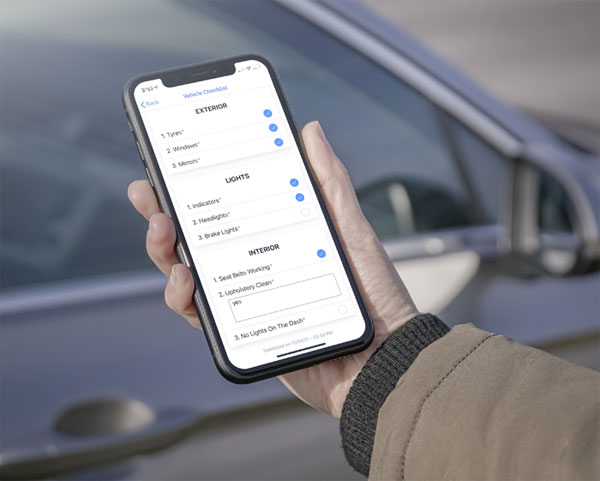

A digital vehicle checklist also matters here — pre-use checks catch faults before they turn into an unscheduled workshop visit, which is a separate but connected problem to preventative maintenance scheduling. Fleets running driver hours compliance obligations alongside vehicle maintenance should keep both calendars in the same platform; the driver hours compliance guide covers how those two schedules interact.
What to do next
Once the schedule is running off telematics data instead of guesswork, the next question is whether the system is paying for itself. The ROI calculation guide for fleet management software walks through the numbers fleet managers use to justify the spend against reduced downtime and fewer missed compliance dates.
FAQ
What's the best way to schedule preventative maintenance for a mixed fleet?
The best approach links manufacturer service intervals and DVSA-declared HGV inspection dates to one calendar, triggered by live telematics mileage rather than estimated dates. Running separate calendars per vehicle class is the main reason mixed fleets miss services.
How often should HGVs be inspected under DVSA rules?
HGV inspection frequency is declared to the DVSA on the operator's licence and typically falls between every 6 and 13 weeks depending on vehicle mileage and age. Daily walkaround checks happen separately every time the vehicle is used.
Do electric vehicles need the same maintenance schedule as diesel vans?
No. EVs typically run on a longer service interval, often around every 24,000 miles or 24 months, but still need dedicated checks on brakes, tyres, coolant and battery health. Applying diesel intervals to EVs skips those checks entirely.
Can telematics data replace manual mileage logs for scheduling?
Yes. Telematics reports actual mileage and engine hours in real time, which removes the rounding and gaps that come from driver self-reported logs. Service triggers set off telematics data close the gap between paperwork and the vehicle.
Is a shared calendar enough for compliance across vehicle types?
A shared calendar is the starting point, but it needs a named owner per vehicle class and telematics-triggered reminders to stay accurate. A calendar with no assigned ownership tends to drift within a few months.
How do you handle maintenance scheduling as a fleet grows?
Scaling from a handful of vehicles to a full mixed fleet means moving off spreadsheets and into a system that tags every vehicle by class and triggers reminders automatically. Manual tracking that works for 10 vehicles breaks down well before 100.
What happens if an HGV misses a declared inspection interval?
A missed inspection interval is a compliance gap the DVSA can flag at audit, separate from any manufacturer servicing that was completed on time. Logging actual inspection dates against the declared interval is the only way to catch the gap early.
One last thing
Fleets that stay ahead of preventative maintenance scheduling in 2026 aren't running more expensive software than everyone else — they're running one calendar instead of three, with mileage triggers instead of monthly guesses. That single change, more than any feature list, is what closes the gap between a missed service and a caught one.