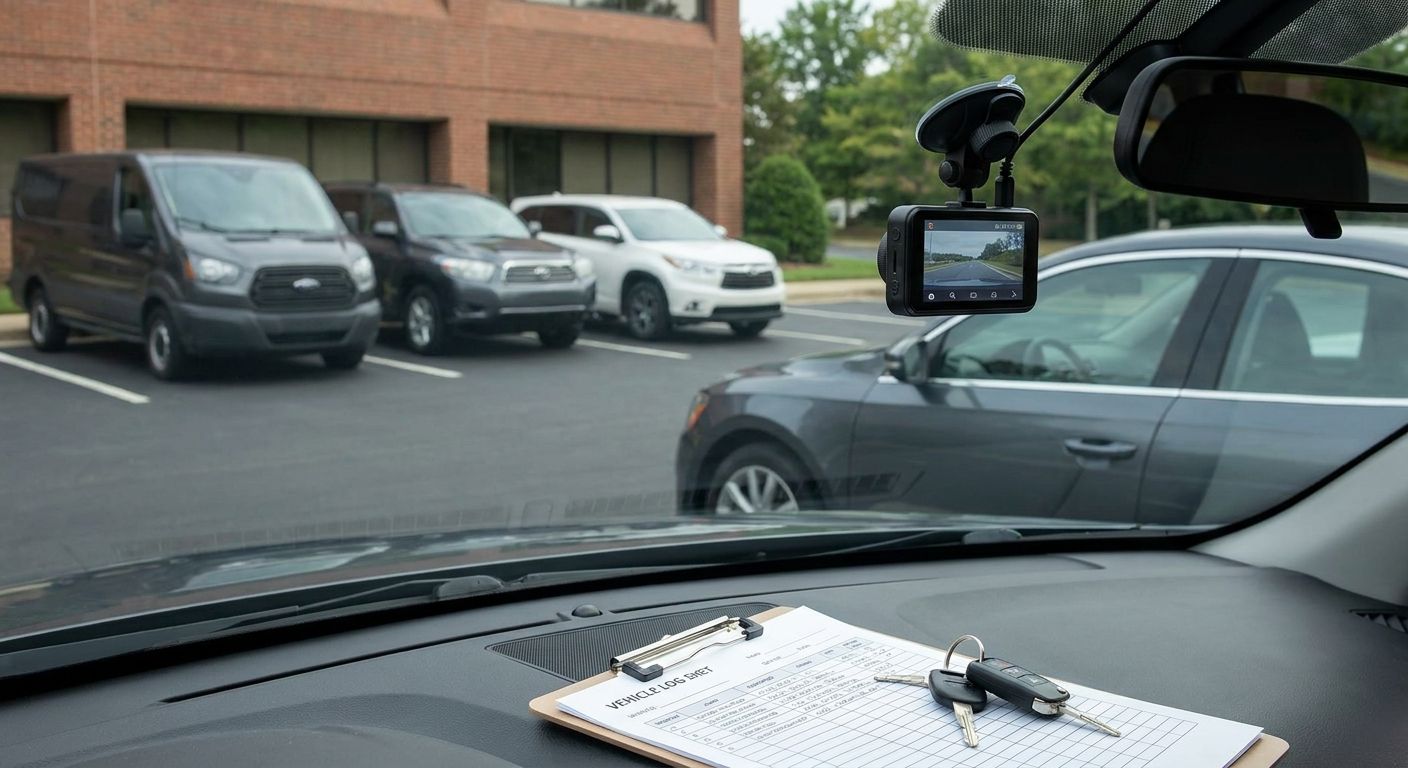

Driver defect reporting turns a legal obligation into a daily habit that catches problems before they become breakdowns, PG9 prohibition notices, or insurance disputes. This guide sets out the process step by step, from defining what counts as a defect to auditing the records DVSA or your local licensing authority will want to see.
- Driver defect reporting fleet compliance means a documented walkaround check before every journey, logged and actioned the same day.
- DVSA guidance expects defect records kept for a minimum of 15 months for HGV and PSV operators in 2026.
- Paper checklists still pass an audit, but digital vehicle checklists cut missed defects and give fleet managers a live view.
- Nil-defect reports on every vehicle every day is the biggest red flag an auditor looks for — vary the findings or expect questions.
Why this matters
An HGV operator without a working defect reporting system is one roadside check away from a prohibition notice, and repeat failures put the operator's licence itself at risk. The rules around HGV operator licence compliance require evidence that vehicles are checked daily and that reported defects get fixed before the vehicle goes out again — not just a signature on a sheet.
Van and car fleets aren't under the same operator licence regime, but insurers and courts still ask the same question after an incident: did the business have a system for catching known faults? A defect reporting process with dated records answers that question in your favour. Without one, you're relying on a driver's memory in a claim or tribunal, in 2026 or any other year.
What you'll need
- A defined list of check items — tyres, lights, mirrors, brakes, wipers, fluid levels, coupling gear if relevant
- A reporting method: paper defect book, a driver-facing app, or a digital vehicle checklist tool
- A named person responsible for actioning reported defects, not just receiving them
- A vehicle-off-road (VOR) rule that stops a defective vehicle leaving the yard
- A retention system for records — physical folder or cloud storage — that survives staff turnover
- Roughly half a day to set the policy up, plus 15-20 minutes per driver for initial training
The steps
1. Define what counts as a reportable defect
Split your check items into two categories: defects that stop the vehicle going out (bald tyre, failed brake light, cracked windscreen in the driver's line of sight) and defects that get logged but don't ground the vehicle (minor bodywork scuff, a slow puncture in a spare). Drivers need this distinction spelled out or they'll either over-report trivial marks or under-report things that matter.
Common mistake: leaving the line "use your judgement" on the checklist. Give drivers a hard rule — any braking, steering, tyre or lighting fault means the vehicle doesn't move until it's checked.
2. Build the walkaround check list
Write the check list around the vehicle types you actually run — a van check differs from an HGV check, which differs from a car used by a home visiting team. For HGVs, the list should mirror the items DVSA expects on a daily walkaround: tyres and wheels, brakes, steering, lights and indicators, mirrors, horn, exhaust, coupling and trailer connections where fitted, and load security.
Expected outcome: a check that takes 10-15 minutes for a van, longer for an HGV with a trailer. If drivers are completing it in under three minutes, they're not doing it.
3. Choose the reporting method
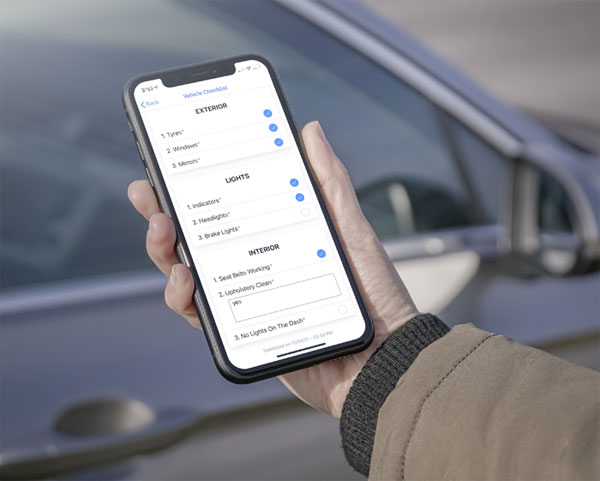
Paper defect books are legally acceptable and still common on smaller fleets, but they get lost, left in cabs, or filled in after the fact rather than before departure. A digital vehicle checklist timestamps the check, forces every item to be answered, and pushes flagged defects straight to whoever manages the workshop queue — closing the gap between a driver spotting a fault and someone acting on it.
If you're onboarding drivers onto a new fleet tracking system this year, roll the defect checklist out at the same time — drivers only want to learn one new app, not two.

4. Set the escalation and VOR rule
Write down exactly what happens when a driver reports a defect: who gets notified, how fast, and who has the authority to declare a vehicle off road. Without this step, the paperwork exists but nothing changes — a defect gets logged on Monday and the same vehicle is still on the road with the same fault on Friday.
Expected outcome: a defect reported before 9am gets a workshop decision by end of day. A vehicle marked VOR cannot be dispatched — build that block into your scheduling process, not just the policy document.
5. Train drivers on the process, not just the form
A 15-20 minute session per driver covering why the check matters, what a reportable defect looks like, and what happens after they submit one is enough. Drivers who've seen a defect they raised get fixed within days are far more likely to keep reporting accurately — drivers who report into a void stop bothering within a few weeks.
Common mistake: training on day one and never refreshing. Build a five-minute refresher into toolbox talks every quarter, especially after any near-miss or workshop finding that traces back to a missed check.
6. Set your records retention rule
DVSA guidance for operators expects daily walkaround check records and defect reports kept for a minimum of 15 months. Set your retention period to match that as a baseline even if you're not an HGV operator — it's the standard an insurer or court will benchmark you against if a claim goes back further than a few months.
Store records somewhere that survives a driver leaving or a laptop being replaced. A shared cloud folder or a digital checklist platform with built-in history beats a folder in the cab every time.
7. Audit the records monthly
Pull a sample of defect reports each month and check three things: were checks actually completed daily, were reported defects actioned within your target window, and does the pattern of defects tell you anything about a specific vehicle or driver. A vehicle with the same brake light fault reported three times in 2026 isn't a reporting problem — it's a maintenance scheduling problem.
Expected outcome: a short monthly summary you could hand to an auditor or your insurer without notice, showing checks completed, defects raised, and defects closed.
Troubleshooting
- Drivers submit nil defects every single day. Spot-check a few vehicles yourself against the checklist — if you find anything the driver missed, that's a training conversation, not a paperwork fix.
- Defects get logged but never actioned. The escalation step is missing an owner. Name one person, not a department, as responsible for closing each report.
- Paper defect books go missing or arrive late. Move to a digital vehicle checklist so the record is timestamped and stored the moment the driver submits it, not when it reaches the office.
- Drivers say the check takes too long and skip items. Cut the list back to items that genuinely matter for that vehicle type — a bloated 40-item checklist gets rushed, a focused 15-item one gets done properly.
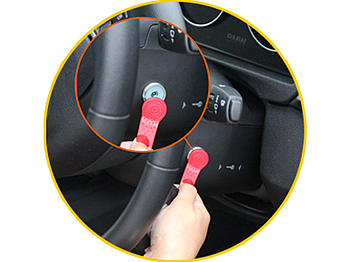
- Records don't tie back to who was driving. Add driver identification to the vehicle so every check and every defect report is attributed to a named person, not just a vehicle registration.
- Different depots run different versions of the checklist. Standardise the template centrally and push updates from one place so every site is auditing against the same standard.
Tools and resources
- A digital vehicle checklist app that timestamps checks and routes flagged defects to a named owner
- Driver ID hardware so every report is tied to the person who completed it, not just the vehicle
- A fleet management platform that logs driver hours compliance alongside defect data, since both feed the same audit trail
- A workshop or maintenance provider with a service-level agreement for turning defect reports into completed repairs
- Cloud storage or a records module that holds check history for the full retention period
What to do next
Once defect reporting is running cleanly, the next gap most fleets have is scheduled maintenance drifting out of sync with what defects are actually turning up. Read the guide on scheduling preventative maintenance for a mixed fleet to close that loop.
FAQ
What is driver defect reporting for fleet compliance?
Driver defect reporting is a documented daily walkaround check where drivers record vehicle faults before a journey and those faults get actioned and logged. It's the record an auditor, insurer, or licensing authority checks after an incident.
How long do I need to keep defect reports?
DVSA guidance for HGV and PSV operators expects records kept for at least 15 months. Van and car fleets without an operator licence should still match that period as a practical minimum for insurance purposes.
Is a paper defect book still acceptable in 2026?
Yes, paper defect books remain legally acceptable, but they're easier to lose or backdate than a digital vehicle checklist. Most fleets over 10-15 vehicles move to a digital system for the audit trail alone.
What happens if a driver doesn't report a defect and it causes an incident?
The absence of a completed check on that vehicle for that day weakens the operator's position in any insurance or legal dispute. A consistent reporting history is what protects the business, not the policy document alone.
Do van fleets need the same defect reporting as HGV operators?
Van fleets aren't bound by operator licence rules, but the same daily check habit reduces breakdowns and gives a paper trail if a vehicle fault contributes to a claim. Insurers increasingly ask about it during renewal.
How do I know if my defect reporting process is actually working?
Audit a sample of records monthly and check three things: checks completed daily, defects closed within a set window, and whether the same fault keeps recurring on one vehicle. Consistent nil-defect reports across every vehicle every day is a warning sign, not good news.
Should defect reporting be tied to a specific driver or just the vehicle?
Tie it to the driver using driver ID so accountability sits with the person who did the check, not just the registration plate. This also helps spot when one driver's checks are consistently thinner than the rest of the team's.
Can digital vehicle checklists replace the paper defect book entirely?
Yes, a digital vehicle checklist satisfies the same legal requirement as a paper defect book, provided it captures the same information and produces a retrievable record. Most operators find it easier to audit than paper.
One last thing
The fleets that get audited without stress aren't the ones with the fanciest app — they're the ones where defects reported in January 2026 show a repair date in the same record by February. If your defect log has entries with no closing date next to them, fix that gap before you add anything else to the process.