Parents shopping for a GPS tracker for teenage drivers are usually trying to solve two problems at once: cut a terrifying new-driver insurance quote and know where the car is at 11pm on a Friday. Not every tracker on the market does both.
- Thatcham S7 Tracker at £198 is the entry point for a GPS tracker for teenage drivers who need insurer recognition without a big spend — Buy.
- Thatcham S5 Tracker (£374) is the rating most UK insurers actually discount against for new drivers — Buy for higher-premium policies.
- Thatcham S5 Plus (£548) adds backup tracking for cars worth protecting beyond the insurance saving — Consider, not essential for most first cars.
- Skip non-Thatcham covert trackers and phone-only apps — insurers in 2026 largely ignore them for premium calculations.
- Driver behaviour monitoring matters more than location pins for reducing new-driver accident risk.
Why this matters
New drivers under 25 pay some of the highest premiums on the market, and the first 12 months on the road carry the highest accident risk of any driving age group. A GPS tracker for teenage drivers doesn't just answer "where's the car" — the right device, correctly rated, is the single cheapest lever most families have for pulling that premium back down.
Not all trackers are equal in an insurer's eyes. A £30 plug-in tracker bought online might report location fine and still do nothing for your premium, because it carries no Thatcham accreditation. Crystal Ball builds and monitors Thatcham-rated trackers that insurers recognise, which is the detail that decides whether this purchase saves you money or just buys peace of mind.
Who this is for
This guide is for parents buying a first car for a 17-24 year-old, or for a new driver buying their own car and trying to get insurance costs under control. It's also relevant if the car in question is a hand-me-down family vehicle now being driven solo for the first time, where nobody has checked whether the existing tracking setup (if any) still meets current insurer requirements.
What to look for in a GPS tracker for teenage drivers
Thatcham category and insurer recognition
Thatcham S5 and S7 are the two ratings that matter for insurance discounts in 2026. S7 covers location tracking with driver ID; S5 adds a stolen vehicle tracking service insurers treat as a genuine theft deterrent. A tracker without either rating might work perfectly and still get you a £0 discount, because the insurer has no way to verify it meets their standard.
Installation type
A professionally fitted tracker is harder to remove or disable than a plug-in OBD unit, which matters both for theft resistance and for insurer confidence. Self-fit devices are cheaper and faster to get running, but some insurers specifically require nationwide on-site installation before they'll apply a discount.
Driver behaviour data, not just location
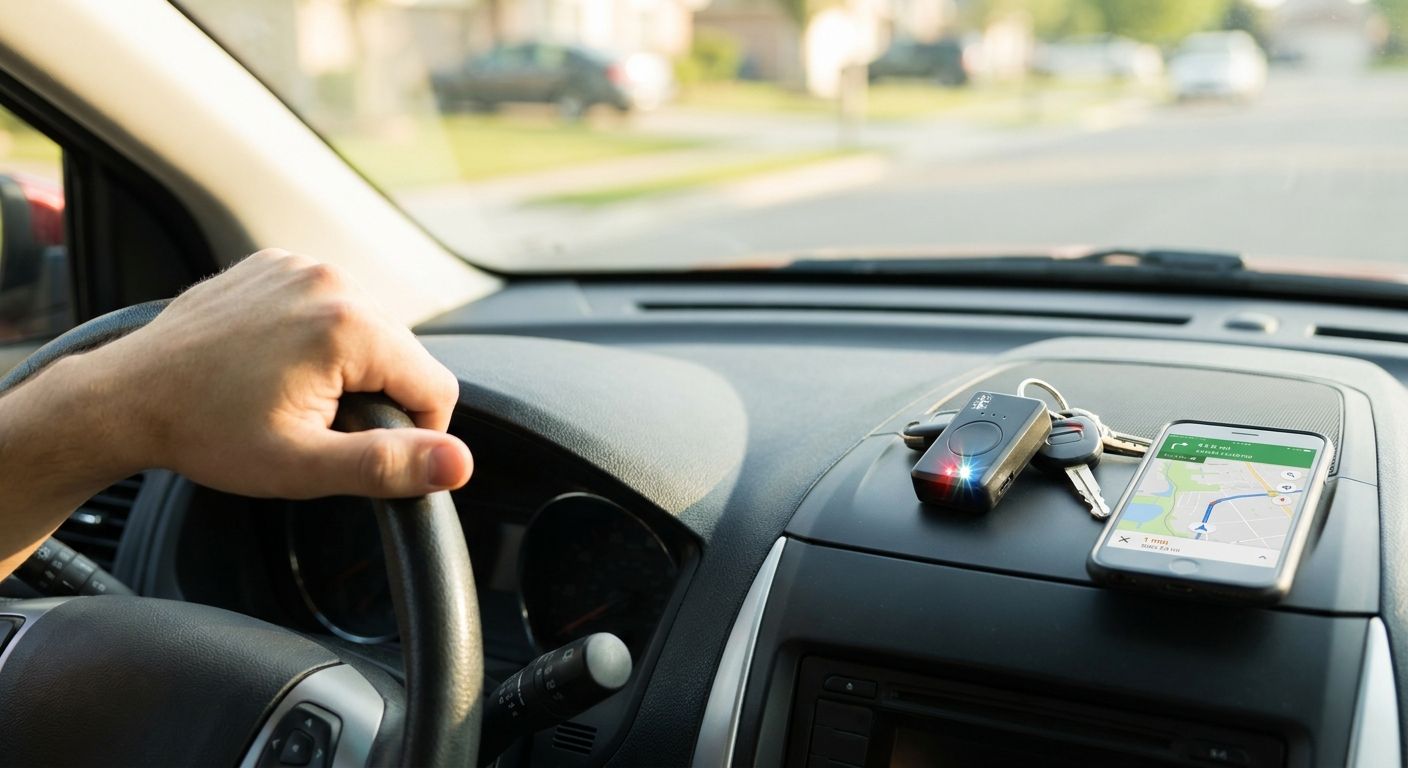
A pin on a map tells you where the car is. Braking, cornering and speed event data tells you how it's being driven, which is the actual risk insurers price against and the actual behaviour parents want visibility on. This is the feature that turns a tracker from a "find my car" tool into an actual coaching tool for a new driver.
Real-time alerts and geofencing
Geofence alerts (car leaves a defined area, or is moved after a set curfew hour) give parents a passive way to know a new driver has gone somewhere unexpected, without a phone call. This matters more for teenage drivers than for adult policyholders, where geofencing tends to be a fleet management feature rather than a family one.
Ongoing monitoring cost vs device cost
Some trackers are a one-off device purchase; others carry a monitoring subscription for the 24/7 theft response service that Thatcham S5 and S7 accreditation actually depends on. Check whether the quoted price includes that monitoring or whether it's billed separately, because a cheap device with an expensive subscription can cost more over three years than a pricier device with monitoring included.
App usability for the parent, not just the driver
A tracker that only reports through a driver-facing app is less useful for a family buying it primarily for oversight. Look for a management app that lets a parent check location history, trip data and alerts without needing the teenage driver's login.
Top picks
Thatcham S7 Tracker — the safe starter pick. At £198, this is the lowest-cost route to Thatcham accreditation, with driver ID and nationwide on-site installation included. It won't carry the same theft-recovery weight as an S5 device, but for a first car where the goal is simply "get the insurer to recognise a tracker exists," it does the job. Verdict: Buy.
Thatcham S5 Tracker — the one insurers actually discount for. At £374, S5 adds the 24/7/365 monitored theft response that most insurers want to see before applying a meaningful premium reduction, and it comes with a driver card included. For a new driver's policy where the premium itself is the problem being solved, this is the rating worth paying up for. Verdict: Buy.
Thatcham S5 Plus Tracker — the wildcard for a car worth protecting beyond the insurance saving. At £548, S5 Plus layers in a backup tracking method so the vehicle can still be located if the primary GPS signal is jammed or disabled. Most families buying a first car for a teenage driver won't need this tier — it earns its price on higher-value vehicles, not budget runarounds. Verdict: Consider.
Driver behaviour monitoring — the one parents actually want once they've lived with a tracker for a month. Location data answers where; behaviour data answers how, flagging harsh braking, speeding and cornering events that correlate directly with new-driver accident risk. If your ratings are already sorted and you want the coaching layer, driver behaviour monitoring paired with a dash cam is the natural add-on. Verdict: Buy as a second step.
What to avoid
- Covert-only trackers with no Thatcham number. They can locate a stolen car fine, but insurers in 2026 generally won't apply a discount without an accreditation code they can verify.
- Phone-app-only "tracking." If the tracking relies on the driver's phone being in the car and switched on, it stops working the moment the phone dies, is left at home, or the driver disables location sharing.
- Subscription traps disguised as cheap hardware. A £40 device with a £15/month monitoring fee outpaces a £374 S5 tracker with monitoring included well before year two.
A GPS tracker for teenage drivers only earns its price if the insurer recognises it — location tracking without accreditation is peace of mind, not a discount.
Verdict comparison
| Tracker | Thatcham rating | Install type | Price | Verdict |
|---|---|---|---|---|
| Thatcham S7 Tracker | S7 | Nationwide on-site | £198 | Buy |
| Thatcham S5 Tracker | S5 | Nationwide on-site | £374 | Buy |
| Thatcham S5 Plus Tracker | S5 | Nationwide on-site + backup | £548 | Consider |
| Non-Thatcham plug-in tracker | None | Self-fit | Varies | Skip |


One more thing worth checking before buying: ask your insurer directly which rating they discount for before you spend anything. Some insurers only recognise S5, and buying an S7 device expecting an S5-level discount is the single most common mistake families make when shopping for a GPS tracker for teenage drivers in 2026.
A correctly rated tracker also does double duty on the theft side. Cutting fleet insurance premiums with a vehicle tracking system covers the same accreditation logic insurers apply to business vehicles, and the underlying rules — Thatcham category, monitoring, installation type — are identical whether the vehicle is a company van or a teenager's first hatchback. For vehicles worth more than a typical first car, the same logic scales up: see how Thatcham-approved tracking works for high-value vehicles.
FAQ
How much does a GPS tracker for a teenage driver cost in 2026?
A Thatcham S7 tracker starts at £198, while an S5-rated tracker with monitored theft response costs £374. S5 Plus, which adds backup tracking, runs £548.
Do insurers actually give discounts for GPS trackers?
Yes, but only for accredited devices. Insurers generally require a Thatcham S5 or S7 rating before applying a premium discount for a new or teenage driver's policy.
What's the difference between Thatcham S5 and S7 for new drivers?
S7 provides location tracking with driver ID at a lower cost. S5 adds 24/7 monitored theft response, which is the rating most insurers weight more heavily for premium reductions.
Can a GPS tracker lower a teenage driver's car insurance?
It can, provided the tracker carries Thatcham accreditation the insurer recognises. An unaccredited tracker may still work perfectly for location and produce no discount at all.
Is a plug-in tracker as good as a professionally fitted one for a new driver?
Not for insurance purposes. Many insurers require nationwide on-site installation before applying a discount, and a fitted unit is harder for a driver or thief to remove.
Do GPS trackers stop a car being stolen?
They don't prevent theft outright, but S5-rated trackers include monitored recovery response that significantly improves the odds of getting a stolen vehicle back.
What's the best GPS tracker for a first car in 2026?
For most families, a Thatcham S7 tracker at £198 covers accreditation needs affordably. Families insuring a higher-value first car should look at the S5 tracker at £374 for stronger theft monitoring.
Are covert trackers legal to fit without telling the driver?
Fitting a tracker on a vehicle you own is legal, but transparency matters for trust, particularly with a teenage driver. Most families disclose the tracker rather than hiding it, since the insurance discount depends on it being registered anyway.
One last thing
The detail most parents miss: driver behaviour scoring, not the tracker's location pin, is what predicts whether a new driver's premium keeps falling in year two. Insurers increasingly price renewal quotes against actual driving data — harsh braking counts, speeding events, cornering — rather than just the presence of a tracker. A GPS tracker for teenage drivers that only reports location is doing half the job by 2026 standards.