Driver behaviour monitoring in 2026 comes down to one hardware choice: can the dash cam see the driver as clearly as it sees the road. This guide ranks the camera setups fleet managers actually need, by vehicle type and use case, with a straight buy-or-skip call on each.
- The best dash cams for driver behaviour monitoring pair dual-facing 4G cameras with AI event alerts, not forward-only recording.
- Van fleets, taxi operators and driving instructors need different camera setups, not one generic dash cam.
- Forward-only budget dash cams miss harsh braking, distraction and fatigue events entirely — skip them for this job.
- HGV and large-vehicle fleets need 360-degree multi-camera coverage on top of a driver-facing lens.
Why this matters
Insurers and HR teams don't accept forward-facing footage alone as proof of what a driver was doing before an incident. Harsh braking, phone handling and drowsy-eye events all need a camera pointed at the cabin, not just the windscreen. Crystal Ball builds dual-facing, 4G-connected dash cam setups across cars, vans and HGVs, and the gap between a fleet that catches these events as they happen and one that finds out after a claim is decided in the camera spec, not the driver.
This guide breaks down which dash cam setup fits which fleet type, what to check before signing a contract, and which configurations aren't worth the spend for behaviour monitoring specifically in 2026.
How we ranked
Every setup below is judged against four things that matter for behaviour monitoring specifically, not dashcam footage in general: dual-facing capture (driver cabin plus road), 4G live alerting rather than SD-card-only storage, AI event tagging for harsh braking, cornering and distraction, and fit against a specific fleet type. A dash cam that scores well on video quality but skips driver-facing capture gets marked down hard here, because that's the one feature behaviour monitoring can't work without in 2026.
The ranked list
1. Dual-facing AI 4G dash cams — the standard-setter
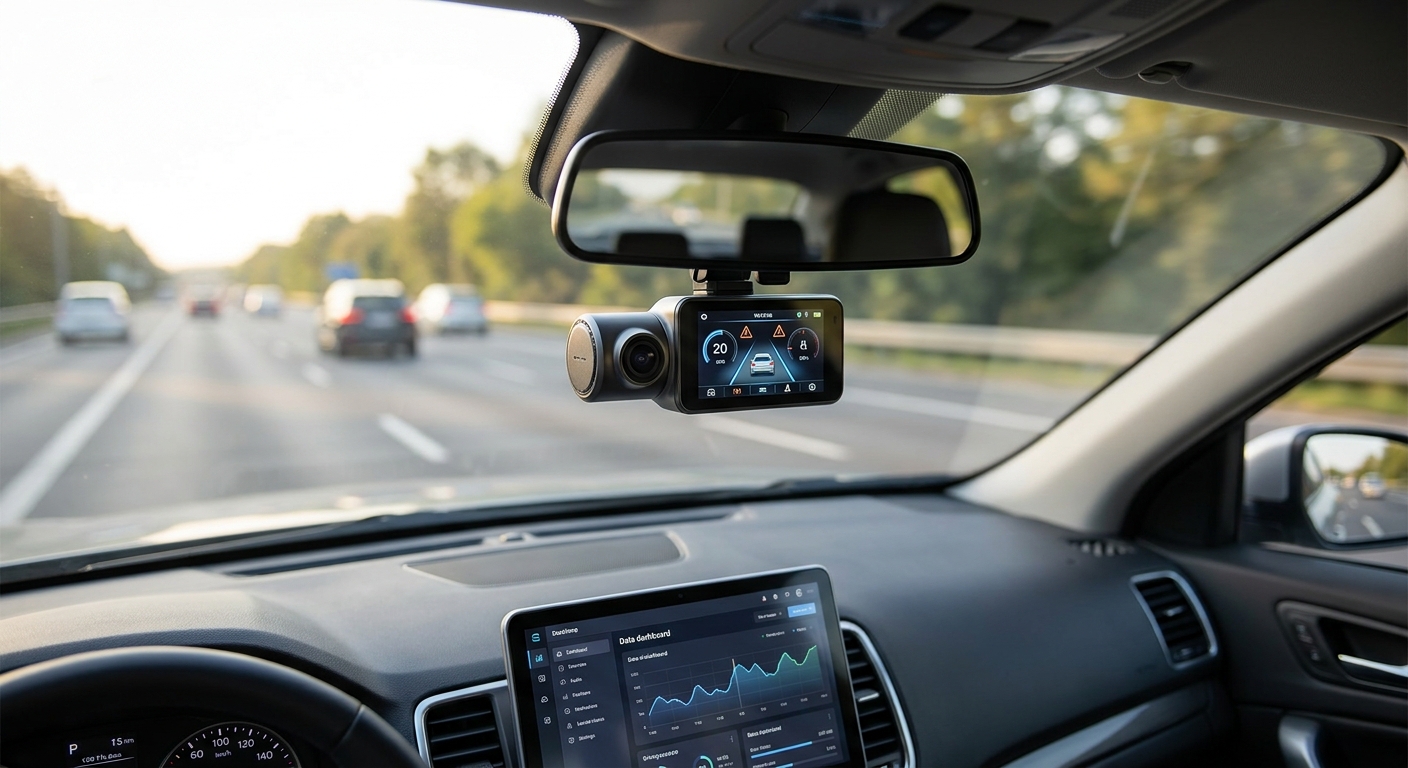
A dual-facing 4G dash cam pairs a road-facing lens with a driver-facing lens and streams live over 4G rather than waiting for someone to pull an SD card. That live connection is what turns a dash cam from a black box you check after an incident into a monitoring tool you check before one happens.
AI tagging flags harsh braking, harsh cornering, distraction and fatigue in real time, and a manager can pull the clip from the app within minutes of the alert rather than days later.
For any fleet serious about driver behaviour monitoring in 2026, this is the baseline spec, not the upgrade. Buy.
2. Van fleet dash cams — the volume pick
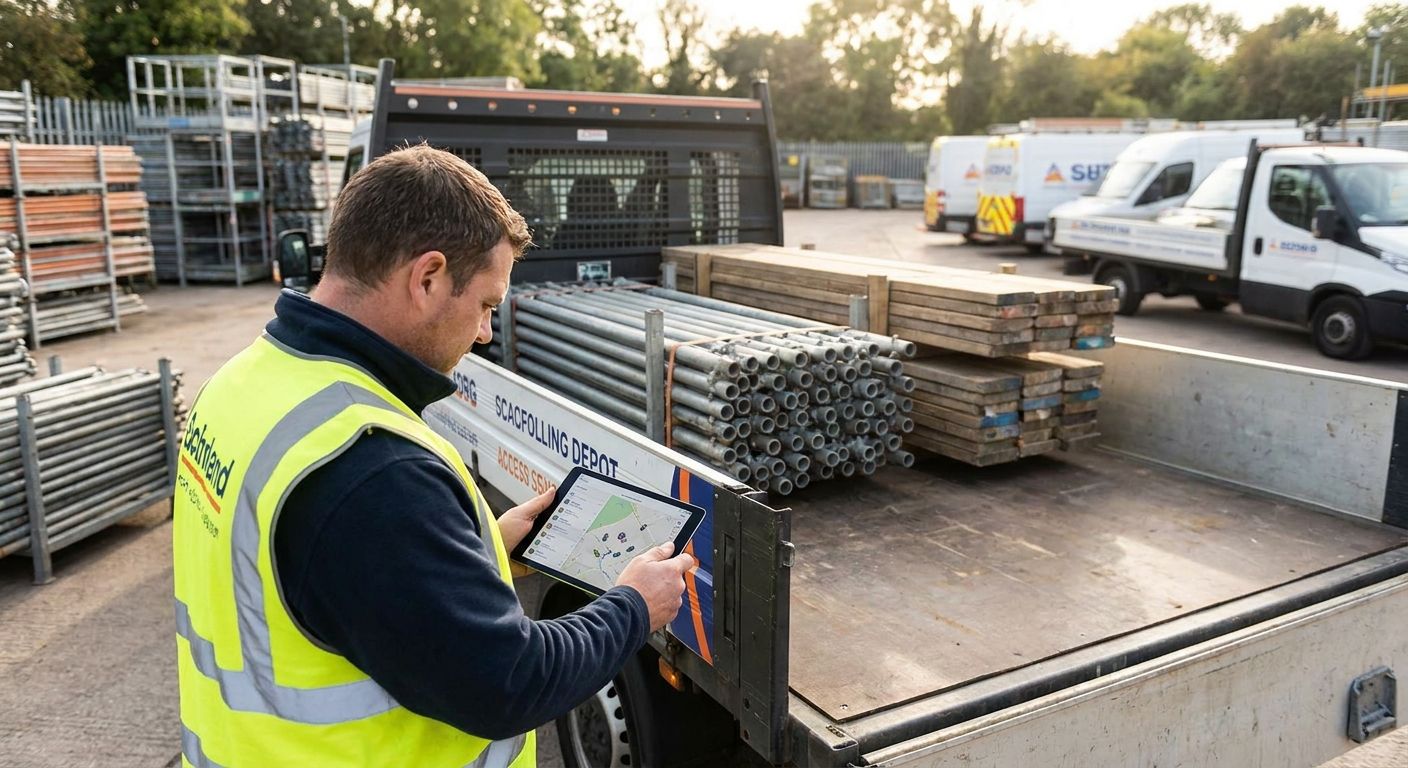
Vans clock more short urban stops than almost any other vehicle type in a mixed fleet, which means more harsh-braking events and more insurance disputes over low-speed knocks.
A setup built for van fleets needs to handle frequent ignition cycles and multi-drop routes without losing footage between stops. The best dash cams for van fleets matches that pattern with continuous 4G recording instead of start-stop capture.
If your van fleet runs more than a handful of drops a day, spec this configuration by default in 2026. Buy.
3. Taxi and private hire dash cams — the passenger-safety pick
Taxi and private hire drivers face a different behaviour question: not just how they drive, but what happens inside the cabin with a passenger present.
4G dash cams for taxi and private hire fleets add cabin-facing coverage that protects driver and passenger, and the live 4G feed matters here more than almost anywhere else, because licensing bodies increasingly ask for footage on demand rather than after a formal complaint.
Any operator renewing a private hire licence in 2026 should treat this as a compliance line item, not an optional extra. Buy.
4. Driving instructor dash cams — the evidence pick
A driving instructor's dash cam does double duty: proving safe instruction if a pupil makes a claim, and giving the instructor a second angle on what the pupil actually did at the moment of a mistake.
Dash cams for driving instructors need dual audio as well as dual-facing video, because a lot of what goes wrong in a lesson is a missed instruction, not just a missed mirror check.
Instructors running dual-control vehicles without this setup are relying on memory in a dispute. Buy.
5. HGV multi-camera and 360-degree setups — the specialist pick
Large vehicles carry blind spots a single dual-facing camera can't cover, and behaviour monitoring on an HGV has to account for cornering radius and mirror checks that don't apply to a car or van.
A 360-degree camera system adds side and rear coverage on top of the driver-facing lens, which matters for near-miss review as much as for behaviour scoring.
This is worth the extra spend only when the fleet actually runs large or articulated vehicles. Hold until the vehicle mix justifies it.
6. Budget forward-only dash cams — the false economy
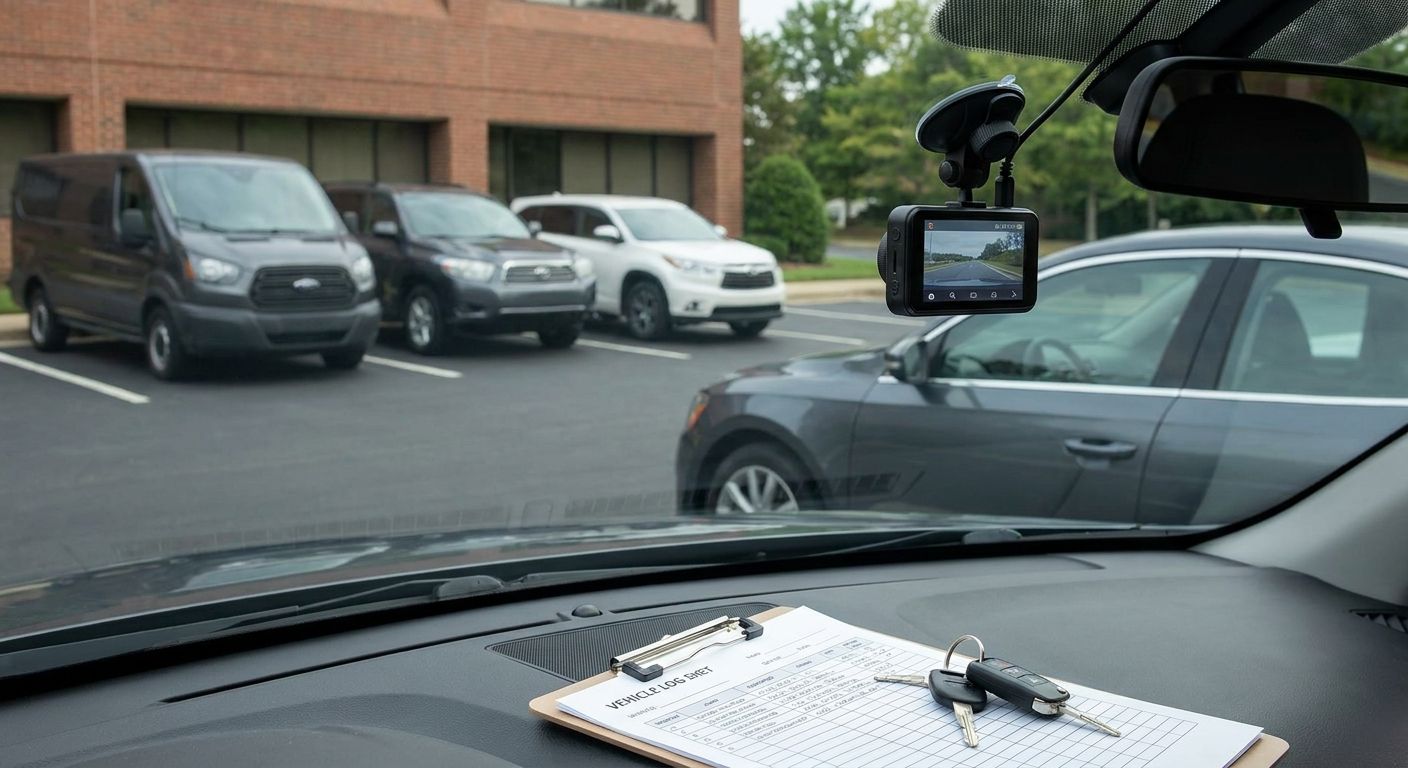
A forward-only dash cam records the road and nothing else, so it can confirm what happened in front of the vehicle but nothing about what the driver was doing at the time.
For basic incident recording this is still useful. For driver behaviour monitoring specifically, it's close to worthless, because harsh braking and distraction events need the cabin view to mean anything.
If the brief is behaviour monitoring rather than accident recording, this configuration doesn't do the job. Skip.

Comparison table
| Fleet type | Camera setup | Priority feature | Verdict |
|---|---|---|---|
| Mixed car/van fleet | Dual-facing 4G | AI event tagging | Buy |
| Van fleet | Dual-facing 4G, continuous recording | Multi-drop reliability | Buy |
| Taxi/private hire | Dual-facing 4G, cabin audio | Licensing compliance | Buy |
| Driving instructor | Dual-facing, dual audio | Lesson-level evidence | Buy |
| HGV/large vehicle | 360-degree multi-camera | Blind-spot coverage | Hold |
| Budget/entry fleet | Forward-facing only | Incident recording only | Skip |
Where to buy
- Confirm the dash cam runs on 4G, not just WiFi offload at the depot — a camera that only uploads footage once the vehicle is back at base isn't monitoring behaviour, it's archiving it.
- Ask whether the driver-facing lens is standard or an add-on; some contracts quote the forward-facing unit only and list the cabin camera as an extra.
- Check installation is included and scheduled around your vehicles rather than left to the driver — a dash cam fitted by the driver themselves is a dash cam that can be angled to miss things.
FAQ
What's the best dash cam for driver behaviour monitoring in 2026?
A dual-facing 4G dash cam with AI event tagging for harsh braking, cornering and distraction is the standard for driver behaviour monitoring in 2026. Forward-only cameras can't capture cabin behaviour, which is the whole point of this type of monitoring.
Is a dual-facing dash cam better than a single forward-facing one for behaviour monitoring?
Yes, for behaviour monitoring a dual-facing camera is essential because it shows the driver's actions at the exact moment of an event. A forward-only camera only proves what happened on the road, not why.
Do dash cams help lower fleet insurance premiums?
Many insurers factor dash cam footage and driver monitoring data into premium reviews, though terms vary by insurer and fleet size. Check with your current insurer which camera specification qualifies for a discount before buying.
How much does a fleet dash cam cost in 2026?
Cost depends on whether the unit is forward-facing only or dual-facing with 4G and AI tagging, since these are different product tiers. Get a current quote directly rather than relying on list prices, which vary by fleet size and contract length.
Can dash cam footage be used for driver training?
Yes, harsh-braking and distraction clips give managers specific footage to coach against instead of guessing at what happened. This is one of the main reasons fleets choose dual-facing over forward-only cameras.
Do taxi and private hire dash cams need to record audio?
Many licensing authorities expect cabin audio alongside video for passenger safety in taxi and private hire vehicles. Check local licensing rules before choosing a camera without audio capture.
What's the difference between a dash cam and a Thatcham-approved tracker?
A dash cam records footage of the driver and road; a Thatcham-approved tracker such as an S5 or S7 unit focuses on vehicle recovery and insurance-approved theft monitoring. Fleets often run both, since they solve different problems.
Do HGVs need a different dash cam setup than vans?
Yes, HGVs benefit from 360-degree multi-camera coverage for blind spots that a single dual-facing unit can't see. Vans and cars are generally well served by a standard dual-facing 4G setup.
One last thing
The spec sheet rarely mentions the one feature that decides whether behaviour monitoring actually works day to day: how fast footage reaches a manager after an event. A dash cam that stores everything on an SD card and uploads once a week isn't behaviour monitoring, it's a black box. If the alert doesn't land in an app within minutes of a harsh-braking event, the fleet is buying evidence, not monitoring, in 2026.