Facilities management companies run some of the most fragmented fleets in the UK — cleaners, engineers, security patrols and maintenance vans covering dozens of client sites a day — and vehicle tracking for facilities management companies has to prove where every one of those vehicles was, when, and for how long.
- Crystal Ball's vehicle tracking for facilities management companies gives timestamped proof of site visits for SLA and contract audits in 2026.
- Security and patrol fleets need real-time geofencing more than raw speed data — buy for site accuracy, not headline features.
- High-value plant vans and specialist vehicles need Thatcham-approved trackers, not consumer-grade GPS units.
- Lone worker protection matters as much as vehicle tracking when engineers enter empty buildings out of hours.
- Skip any tracker with no live geofence alerts — it cannot verify a missed or late visit.
Why this matters
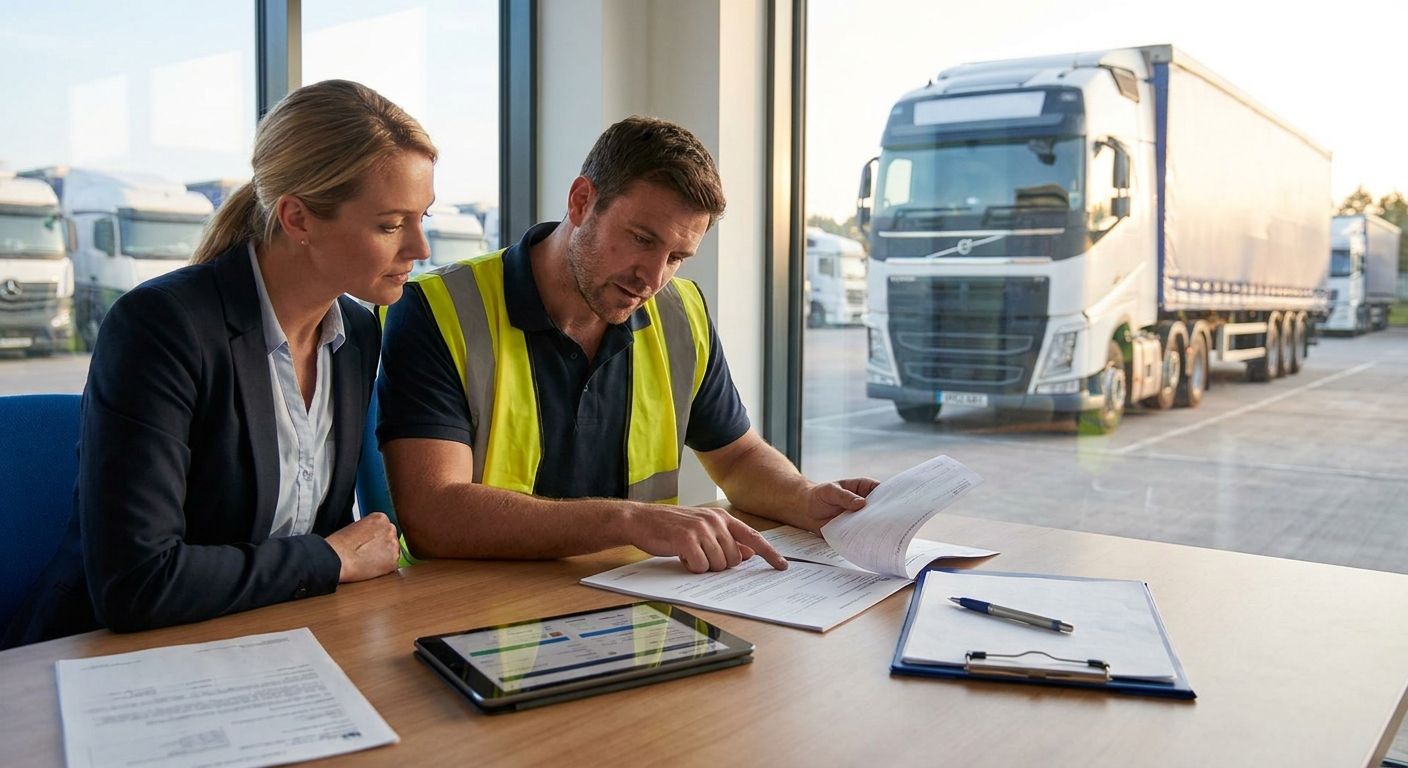
Facilities management contracts run on service level agreements, not goodwill. A client that pays for a two-hour response window on a boiler fault wants evidence the engineer arrived inside that window, not a verbal assurance from the account manager.
Without timestamped location data, disputes over missed visits, late arrivals or unauthorised detours become he-said-she-said arguments that facilities companies lose on reputation alone. Vehicle tracking for facilities management companies closes that gap by turning every job into a recorded, time-stamped event.
The fleets involved are rarely uniform. One contract might need a security patrol car doing perimeter checks every 30 minutes, another needs an electrician's van visiting six sites in a day, and a third needs a lone engineer opening up an empty office block at 6am. Each of those has a different tracking priority, and buying one generic package for all of them wastes money on features nobody uses and leaves gaps where it matters.
Who this is for
This guide is for facilities management companies and multi-site contractors running mixed fleets of vans, pool cars and patrol vehicles — the kind of operation where an engineer might do a plumbing callout in the morning and a lockup check that night. If your business dispatches staff to client-owned buildings under contract, vehicle tracking for utility field engineers covers the same operational pattern most FM fleets run on: scattered sites, tight windows, and a client who wants proof.
What to look for in vehicle tracking for facilities management companies
Site-level geofencing, not postcode-level tracking
Facilities contracts are won and lost on specific buildings, not general areas. A geofence needs to trigger the moment a vehicle enters or leaves the exact client site, not somewhere within a few hundred metres of it, because "near the building" doesn't satisfy an SLA audit.
Timestamped visit proof for SLA reporting
When a client questions whether a scheduled visit happened, you need arrival and departure times you can export in minutes, not a manager scrolling through a map. This is the single biggest driver of tracking ROI for FM operators in 2026 — it turns disputed invoices into settled ones.
Lone worker protection for engineers working alone
Facilities engineers frequently work solo in empty offices, plant rooms and vacant retail units, often before or after normal hours. A tracking system that only watches the vehicle misses the risk that actually matters: the person inside the building, out of sight of the van.
Driver behaviour and compliance data for client audits
Corporate clients increasingly ask facilities suppliers for evidence of safe driving standards as part of due diligence. Harsh braking events, speeding flags and idling time all feed into that picture, and having the data ready beats scrambling for it during a tender review.
Thatcham-approved security for high-value plant and specialist vehicles
Vans loaded with tools, generators or specialist equipment are a theft target, and standard insurance often expects Thatcham-approved protection on higher-value vehicles before it will offer competitive premiums. This matters more for FM fleets than most — a stolen tool van doesn't just cost the vehicle, it stalls every job booked for that engineer that week.
Top picks for facilities management fleets
Security and patrol operations — the accuracy pick. Perimeter and patrol contracts live or die on proof of route completion, and a missed checkpoint on a security round is a contract breach, not a minor slip. Fleet management software for security and patrol companies is built around geofenced checkpoints and route verification rather than generic mileage tracking. Verdict: Buy for any FM contract that includes security or patrol duties.
Electrical and multi-trade maintenance vans — the SLA pick. Maintenance contractors juggling six or more callouts a day need arrival-time proof more than anything else, because that's what client invoices get challenged on. Vehicle tracking for electrical contractors is built for exactly this job pattern — multiple short site visits, tight windows, timestamped evidence. Verdict: Buy for FM fleets running trade or reactive maintenance teams.
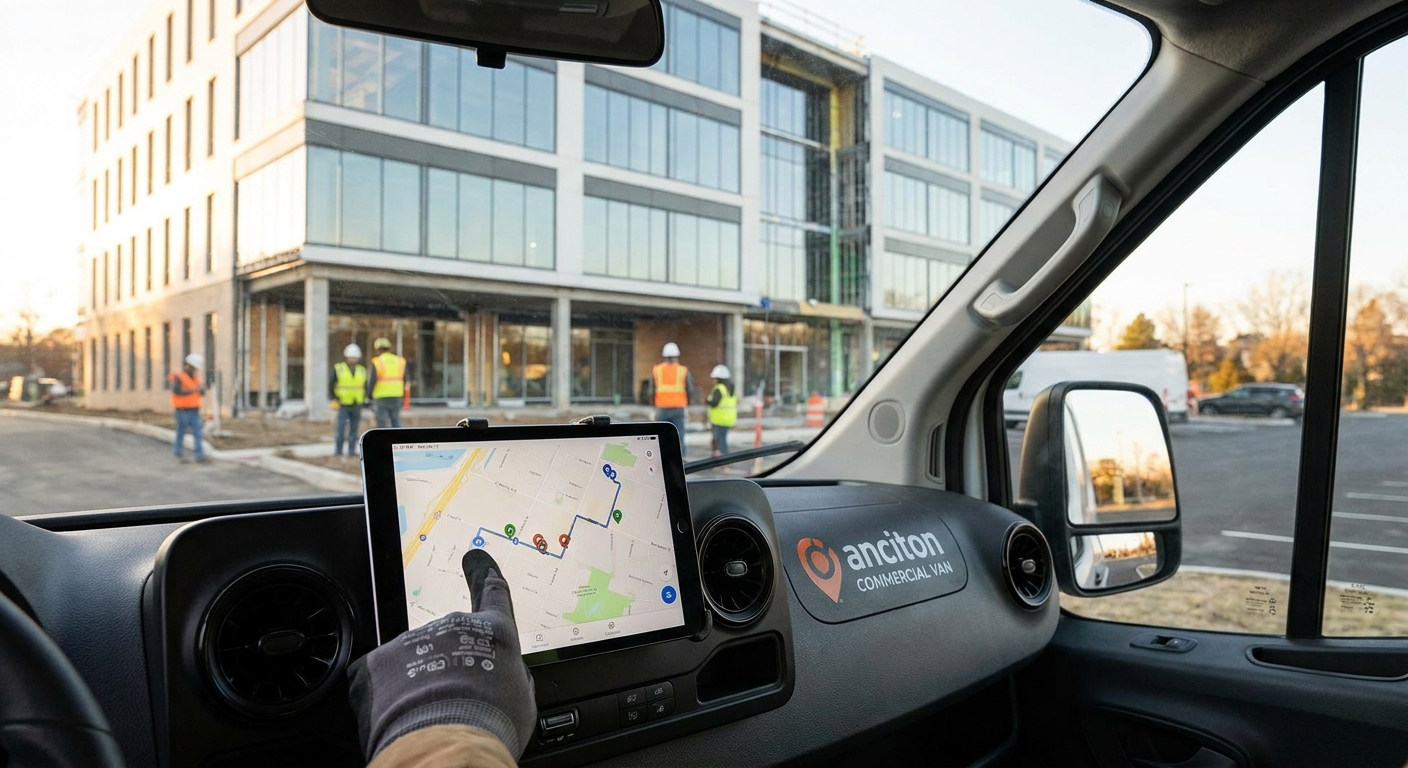
Plumbing and heating engineers — the reactive-callout pick. Reactive maintenance work — burst pipes, boiler faults, blocked drains — runs on unpredictable routing rather than fixed rounds, and a tracking system needs to reroute and log jobs on the fly rather than assume a fixed schedule. This is a strong fit for FM companies with heating and plumbing contracts, though it overlaps heavily with the electrical contractor setup above if your engineers do both trades. Verdict: Consider if plumbing and heating is a standalone contract line rather than folded into general maintenance.
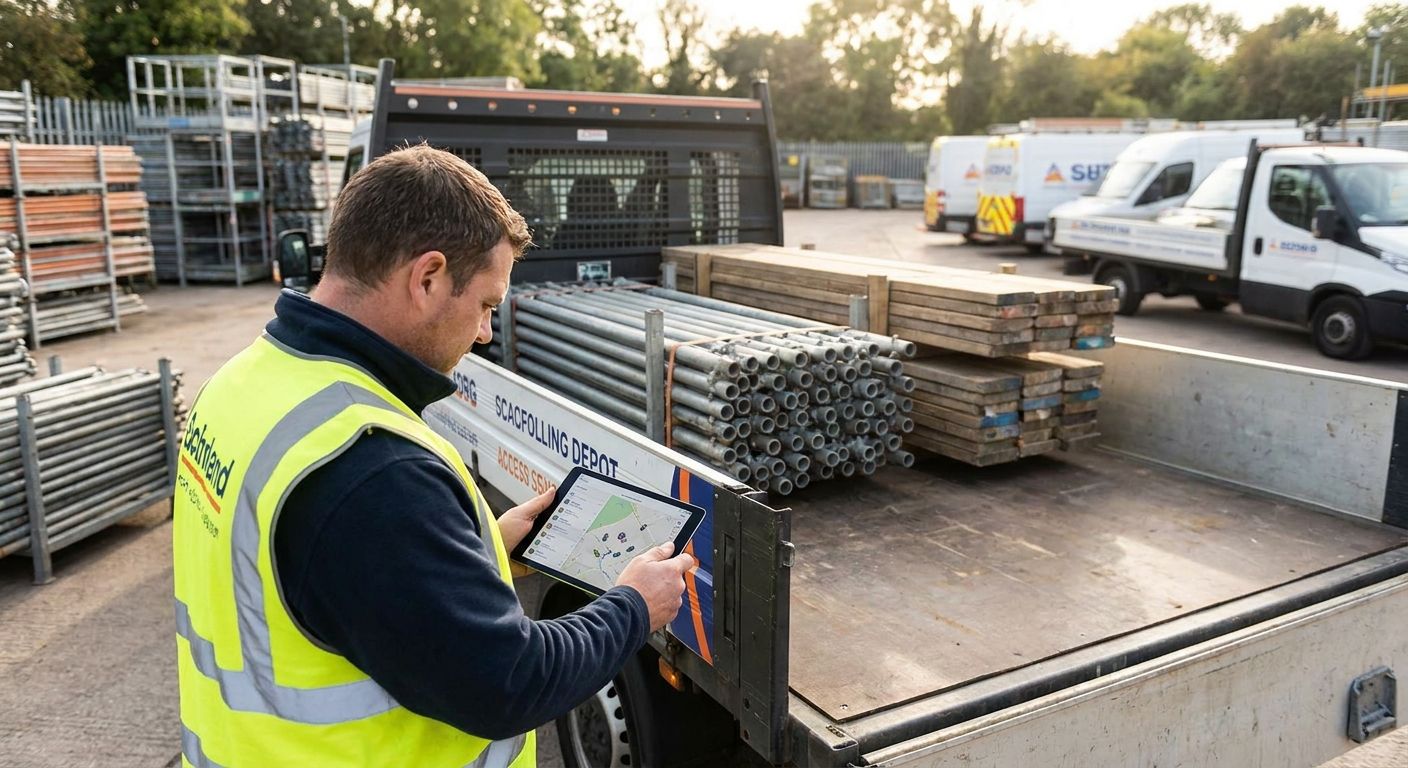
High-value plant vans and specialist vehicles — the theft-protection pick. A van carrying £15,000 to £20,000 of tools and equipment is a different risk category to a standard maintenance van, and insurers price that risk accordingly. Thatcham-approved trackers for high-value fleet vehicles is the right category here, not a general-purpose GPS unit. Verdict: Buy for any vehicle carrying equipment worth more than the van itself.
Lone worker engineers — the safety pick. Engineers opening vacant buildings alone, particularly out of hours, need a personal safety layer that a vehicle tracker alone can't provide once they've stepped out of the van. The same lone worker technology built for home care staff working solo in unfamiliar properties applies directly to FM engineers doing the same thing in commercial buildings. Verdict: Consider as a mandatory add-on wherever solo out-of-hours access is part of the job.


What to avoid
- Consumer-grade GPS trackers marketed for personal cars. They show a dot on a map but rarely offer live geofence alerts or exportable visit logs, which is the exact data an FM contract audit asks for.
- "Basic" tracking plans with no lone worker option. If engineers ever work alone in a building, a vehicle-only system leaves the actual risk uncovered once they're through the door.
- One package sold across every vehicle type. A van doing six sites a day and an HGV doing one delivery route don't need the same reporting cadence — buying identical plans for both wastes budget on the van and undertracks the HGV.
If your engineers can't prove they were on site, the SLA argument is already lost before it starts.
Verdict comparison
| Fleet type | Priority criterion | Recommended approach | Verdict |
|---|---|---|---|
| Security and patrol vehicles | Route and checkpoint accuracy | Fleet management software for security and patrol companies | Buy |
| Electrical and multi-trade vans | SLA timestamp proof | Vehicle tracking for electrical contractors | Buy |
| Plumbing and heating vans | Reactive job routing | Trade-focused tracking with live rerouting | Consider |
| High-value plant and specialist vans | Theft protection | Thatcham-approved trackers | Buy |
| Lone worker engineers | Personal safety out of hours | Lone worker app add-on | Consider |
The pattern across every row is the same: FM fleets don't need more data, they need the right data tied to the specific job type, delivered fast enough to settle a client dispute before it escalates in 2026.
FAQ
What is the best vehicle tracking for facilities management companies?
The best setup pairs geofenced site tracking with timestamped visit logs so every job can be verified against an SLA. For fleets with security or patrol duties, checkpoint-based tracking software adds the route verification generic GPS units miss.
Do facilities management companies need lone worker protection as well as vehicle tracking?
Yes, if engineers ever enter buildings alone, particularly out of hours. Vehicle tracking only covers the van; a lone worker app covers the person once they step inside an empty or unfamiliar site.
Is Thatcham-approved tracking necessary for maintenance vans?
It's necessary for any van carrying equipment worth more than a few thousand pounds, since insurers often price premiums against the security rating fitted. Thatcham S5 and S7 trackers both qualify, with S7 covering lower-value vehicles and S5 aimed at higher-value ones.
How much does fleet tracking cost for a small FM contractor?
Costs vary by fleet size, vehicle type and the level of Thatcham approval needed, so it's worth getting a quote against your actual vehicle list rather than a generic per-vehicle rate. Mixed fleets with vans and specialist vehicles usually need different tiers per vehicle type.
Can vehicle tracking prove an SLA was met?
Yes, timestamped geofence entry and exit data for a specific site is the standard evidence used in facilities management contract disputes. Exportable reports settle most arrival-time arguments without needing a manager to check manually.
What's the difference between vehicle tracking for electricians and for security patrols?
Electrician and trade tracking is built around multiple short site visits with SLA timestamps, while patrol tracking is built around checkpoint verification on a fixed route. Facilities companies running both contract types often need both approaches.
Do dash cams help with facilities management disputes?
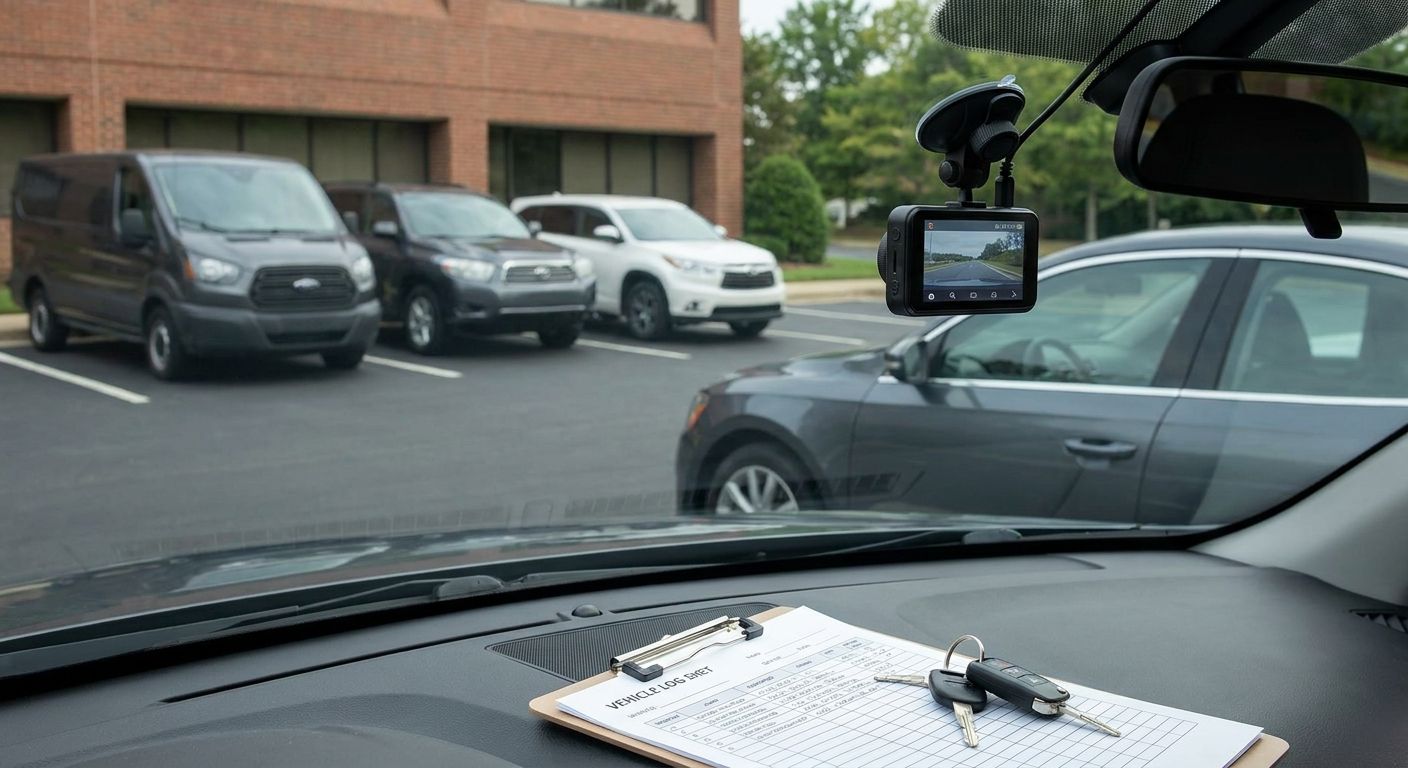
Yes, 4G dash cams provide visual evidence alongside location data, which is useful when a client disputes not just whether a visit happened but what condition a site was left in. Footage streams live rather than waiting for a card to be pulled.
How quickly can facilities management companies see ROI on vehicle tracking?
Most fleets see it in the first disputed invoice that gets resolved with exported location data instead of an argument. Beyond that, fuel and idling reductions typically build up over the following months.
One last thing
The FM contracts that get renewed year after year are rarely the cheapest bidders — they're the ones who can produce a timestamped visit log the moment a client questions an invoice. That single capability, more than any dashboard feature, is what vehicle tracking for facilities management companies is actually being bought for in 2026.