Breakdown recovery firms and mobile mechanics run vehicles that spend more time on the hard shoulder and roadside verges than in a yard, which makes generic fleet tracking a poor fit and purpose-built visibility a genuine competitive edge.
- Fleet tracking for breakdown recovery vehicles needs sub-30-second location refresh, not the 5-minute pings on standard trackers.
- Thatcham S7 Tracker at £198 covers theft monitoring on loaded recovery trucks and mobile mechanic vans - Buy.
- Skip consumer-grade GPS units without live SIM connectivity; they fail exactly when a stolen flatbed needs recovering.
- 4G Fleet Dash Cams justify their cost on liability disputes at roadside incidents alone - Buy for any recovery operator.
- Pair tracking with a lone worker app for staff attending breakdowns alone after dark - non-negotiable for 2026 duty-of-care rules.
Why this matters
A recovery truck sat idle for 40 minutes because dispatch guessed wrong on ETA costs more than the tracking hardware pays for in a month. Mobile mechanics lose the same money when a job gets double-booked because nobody could see the van was still three miles from the last stop.
Insurers and contract partners (RAC, AA, local authority recovery panels) increasingly want proof of attendance times and vehicle condition on file, not verbal assurance. Crystal Ball builds tracking, dash cam and lone worker tools around that exact requirement rather than generic mileage logging.
Who this guide is for
This is written for independent recovery operators, RAC/AA subcontractor fleets, and mobile mechanic or tyre-fitting businesses running anywhere from 3 to 40 vehicles. These fleets share the same pressure points in 2026: high mileage, unpredictable roadside stops, lone staff working nights, and vehicles carrying tools or customer cars worth recovering fast if stolen. If your vehicles mostly sit at fixed depots on scheduled routes, a lighter tracking setup will do - this guide is for the fleets where every callout is a different postcode.
What to look for in fleet tracking for breakdown recovery vehicles
Live location refresh, not periodic pings
Dispatch decisions for breakdown recovery run on minutes, not hours. A tracker that updates every 5 minutes leaves a 4-mile blind spot on a motorway job; sub-30-second refresh means the next job goes to the truck that's actually closest, not the one that pinged in most recently.
Proof-of-attendance and timestamped records
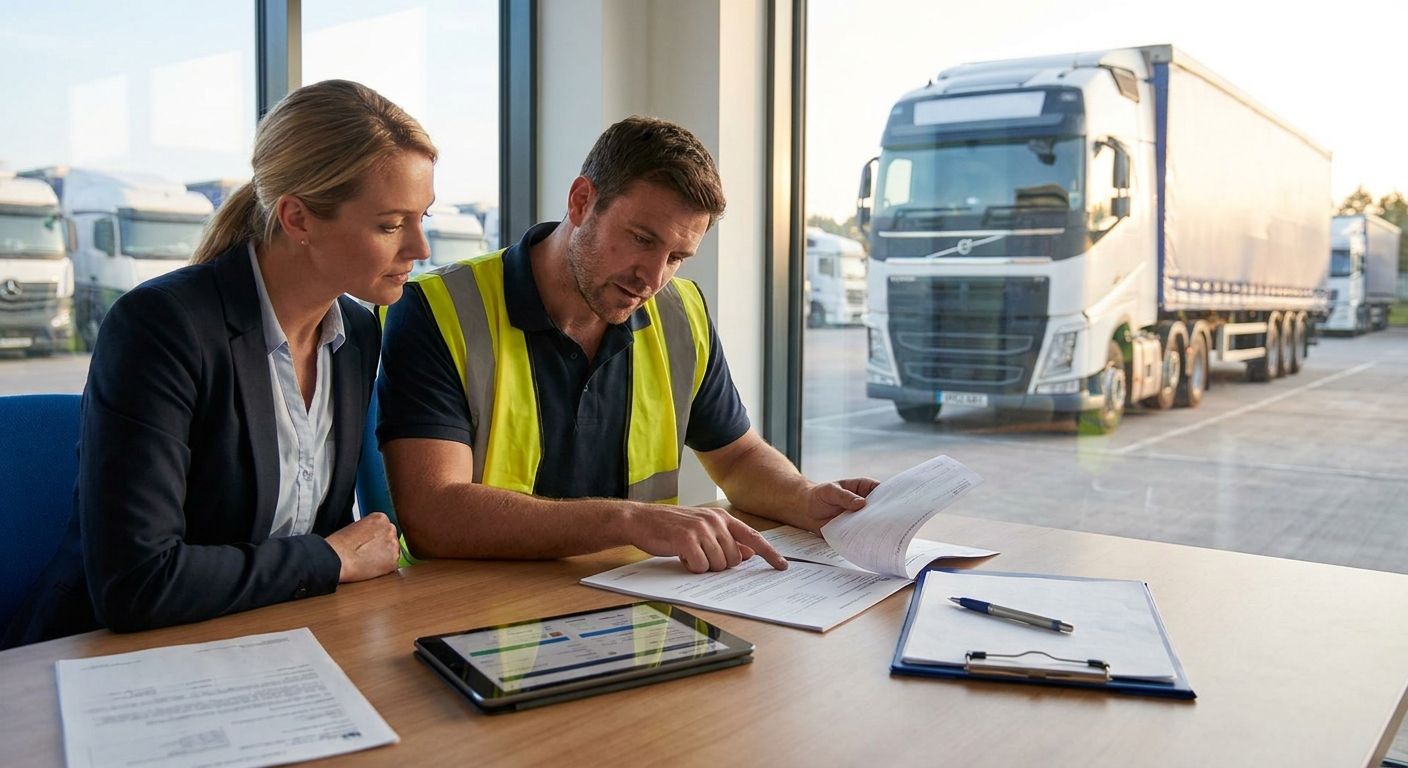
RAC and AA subcontractor contracts, plus council recovery panels, increasingly audit attendance times against GPS logs before paying invoices. A geofenced, timestamped arrival record settles disputes in one screenshot instead of a phone call with a customer who disagrees on how long you were there.
Lone worker protection for night callouts
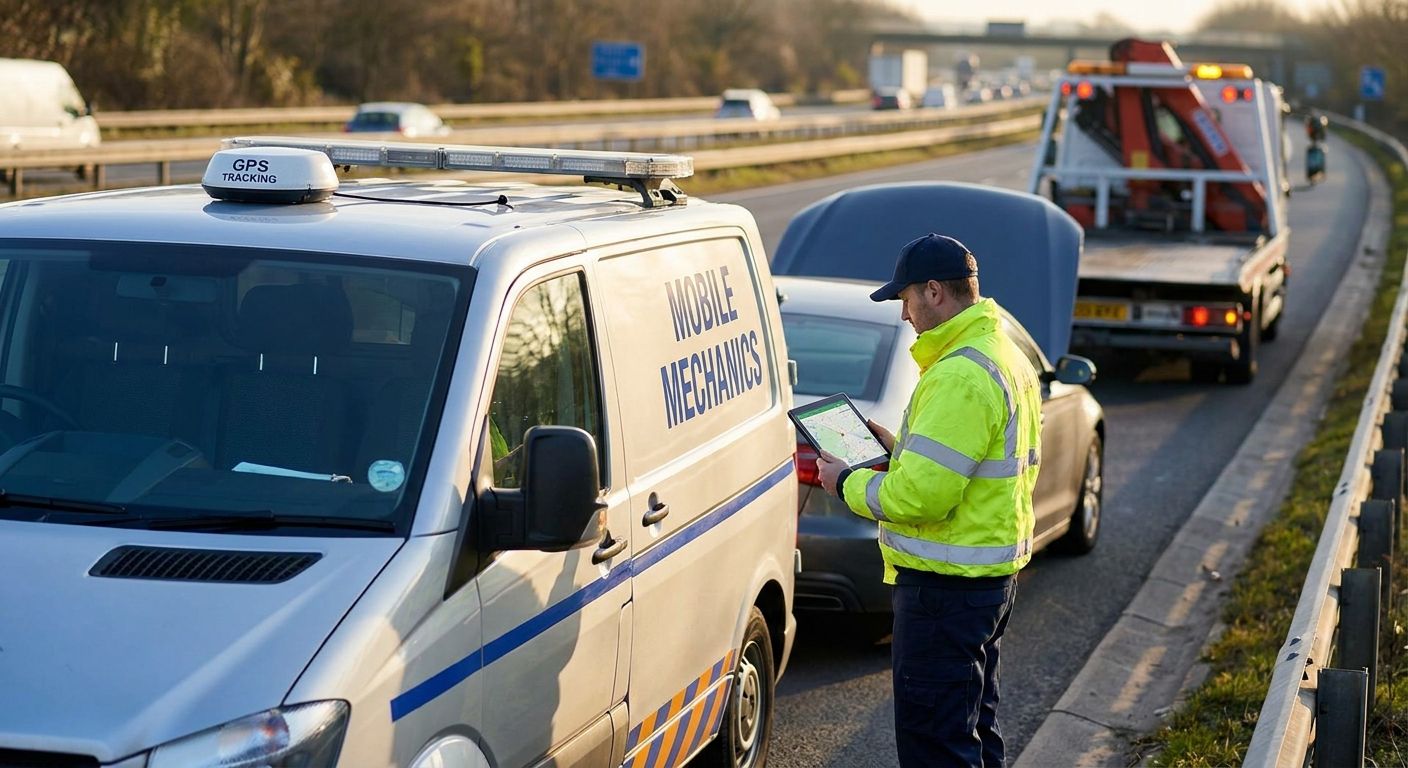
Mobile mechanics and recovery drivers routinely attend breakdowns alone on hard shoulders and unlit verges after dark. A lone worker app for field service engineers that triggers an alert if a driver doesn't check in within a set window is a duty-of-care requirement in 2026, not a nice-to-have.
Thatcham-approved theft tracking
Recovery trucks and vans carrying customer vehicles or expensive tools are theft targets parked overnight in industrial units or on-site. A Thatcham-approved tracker (S5 or S7 category) both recovers a stolen vehicle faster and satisfies insurer requirements that can reduce premiums.
Dash cam footage for liability disputes
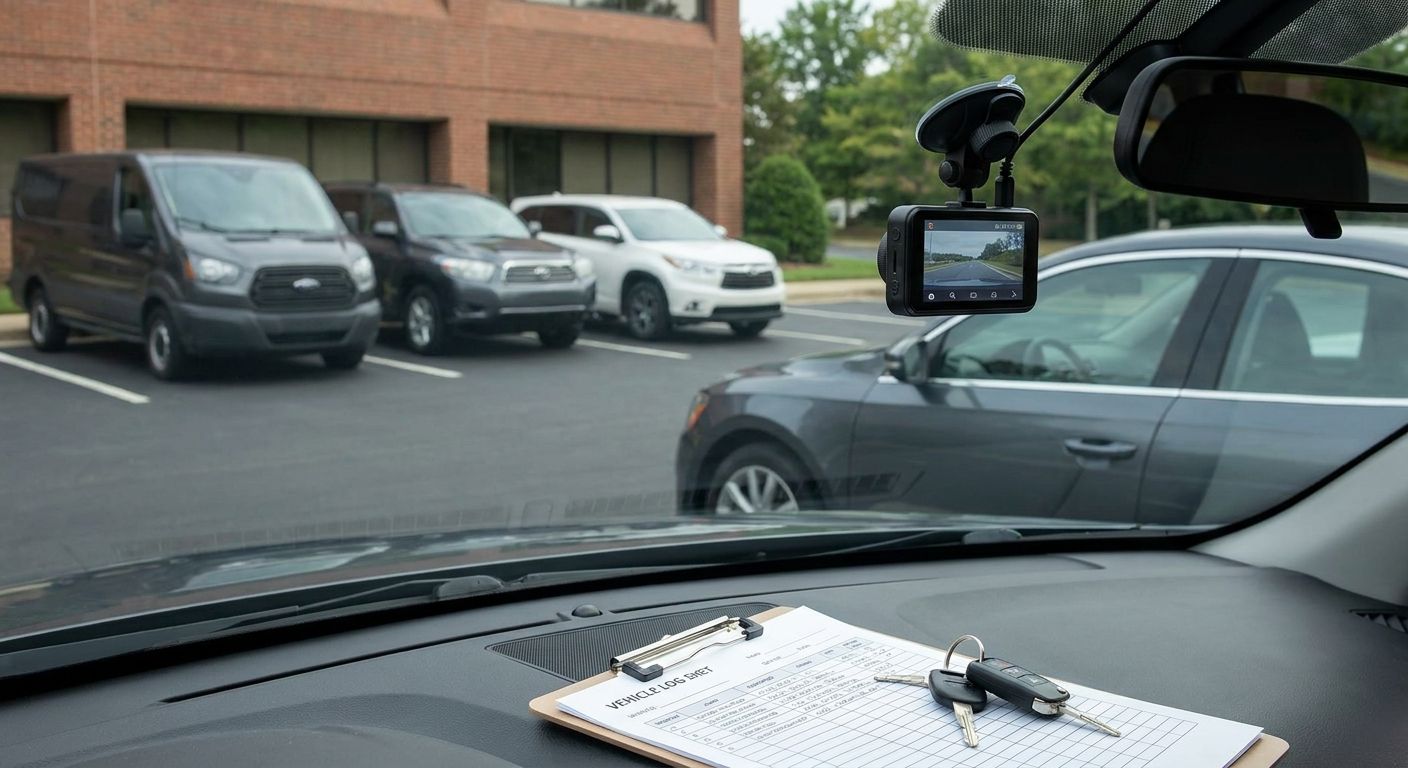
Roadside recoveries generate third-party claims constantly - another driver clips your truck, a customer disputes damage that predates the callout. 4G dash cam footage that uploads live rather than sitting on an SD card that gets stolen with the vehicle settles these arguments in your favour.
Backup cover awareness
Even the best-tracked fleet has a vehicle off the road occasionally. Knowing how your own breakdown cover stacks up matters when you're the one selling recovery services - see the commercial fleet breakdown cover comparison for how providers differ on response times and vehicle classes covered.
Top picks for breakdown recovery and mobile mechanic fleets
The dispatch pick: Manager App with live tracking
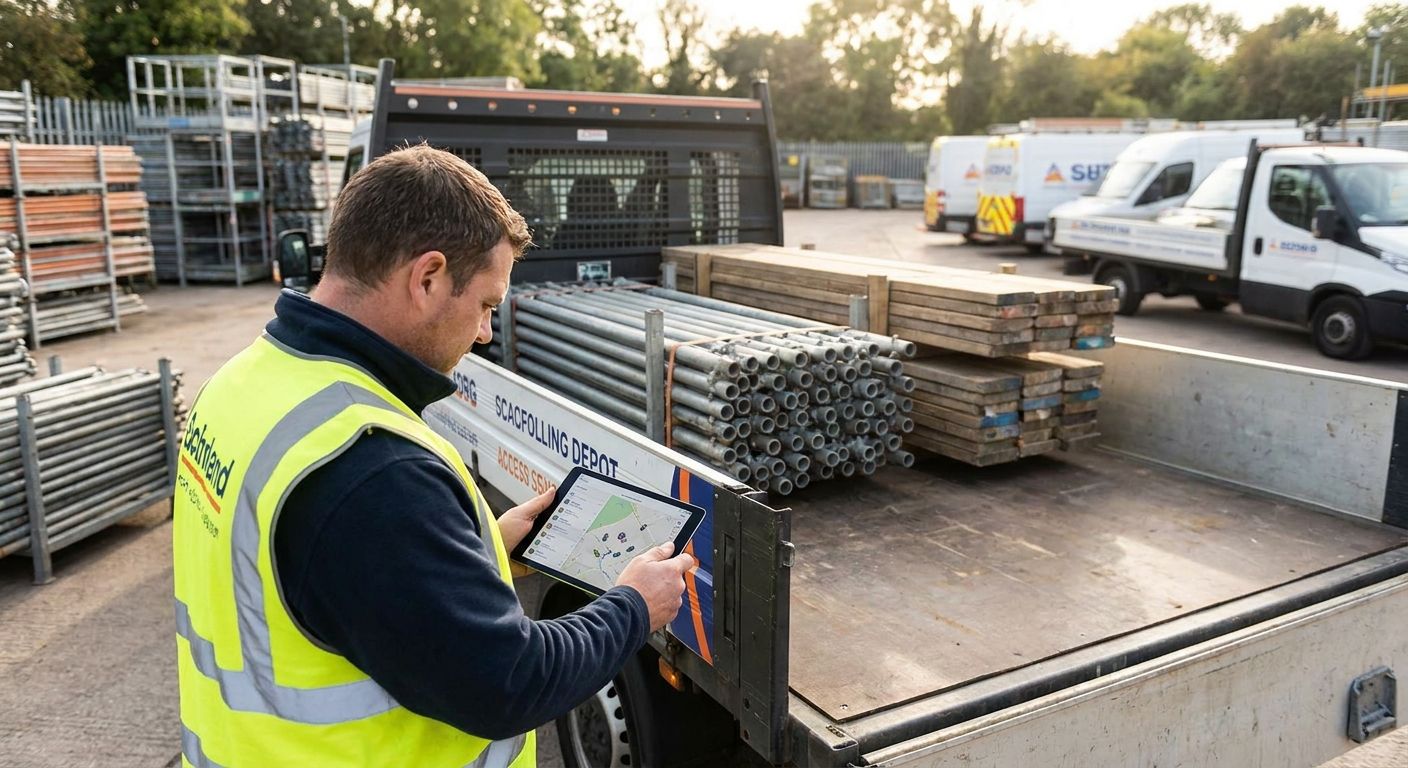
The Manager App gives dispatch a live map view across the whole fleet from a phone or tablet, which matters more for recovery than almost any other trade because every job is reactive. One spec that counts: real-time position rather than batch updates, so the controller sees which flatbed is actually 4 minutes out versus 14. Buy for any operator running more than 3 vehicles from a shared dispatch point.
The insurance pick: Thatcham S7 Tracker
At £198, the Thatcham S7 Tracker is the entry point for insurer-recognised theft monitoring on recovery vans and lighter mechanic vehicles. It includes 24/7/365 monitoring, which matters because a stolen van full of diagnostic kit is a five-figure loss before you count the downtime. Buy for standard vans; step up to the £374 S5 Tracker or £548 S5 Plus for higher-value recovery trucks where insurers specify a higher security category.
The evidence pick: 4G Fleet Dash Cams
Recovery vehicles attend more roadside incidents involving other drivers than almost any other fleet type, and a single disputed third-party claim can cost more than a year of dash cam hardware. The 4G upload means footage exists even if the vehicle itself is damaged or stolen at the scene. Buy - this is the one line item on this list with the fastest payback on a single avoided claim.
The heavy-recovery pick: HGV-class tracking
Flatbeds and recovery trucks over 7.5 tonnes fall under different compliance and tracking requirements than vans. Commercial vehicle tracking built for HGV operators covers the axle-weight and driver-hours angles that van-focused tracking ignores. Buy if any part of the fleet runs heavy recovery units; Skip if the fleet is vans and cars only - it's overbuilt for that use case.
The lone-worker pick: field engineer safety app
A driver attending a breakdown alone at 11pm on an unlit A-road is a lone worker by definition, and 2026 duty-of-care expectations don't distinguish between an office-based field engineer and a recovery driver. Buy for any fleet with solo night callouts; Consider if every job is double-crewed, though even then it covers the gap when staffing runs thin.
What to avoid
- Consumer GPS trackers marketed for cars. They look identical to fleet-grade units on a spec sheet but rely on 2G data or periodic polling that lags exactly when you need live location for dispatch.
- Dash cams that store footage locally only. If the vehicle is stolen or badly damaged, the SD card goes with it - the footage you need most is the footage you lose.
- Tracking without lone worker alerts bundled in. Buying tracking and safety as two separate systems from two vendors means neither one triggers on the other's data, which defeats the point for solo roadside attendance.


Verdict comparison table
| Pick | Best for | Key criterion covered | Verdict |
|---|---|---|---|
| Manager App (live tracking) | Dispatch accuracy | Live location refresh | Buy |
| Thatcham S7 Tracker (£198) | Vans and light recovery units | Theft monitoring, insurance | Buy |
| 4G Fleet Dash Cams | Liability disputes | Evidence, timestamped footage | Buy |
| HGV-class tracking | Trucks over 7.5t | Compliance, driver hours | Buy for heavy units |
| Lone worker app | Solo night callouts | Safety alerts, check-ins | Buy / Consider |
FAQ
What's the best fleet tracking for breakdown recovery vehicles in 2026?
Live-refresh GPS tracking paired with a Thatcham-approved tracker and 4G dash cams covers dispatch, theft and liability needs for most recovery fleets in 2026. Operators running trucks over 7.5 tonnes need HGV-specific tracking on top of that.
Is Thatcham S5 or S7 better for a recovery truck?
S7 (£198) suits standard vans and lighter recovery vehicles, while S5 (£374) and S5 Plus (£548) add security features many insurers require for higher-value trucks. Check your specific insurer's category requirement before buying.
How much does fleet tracking cost for a small recovery operator?
Thatcham-approved trackers start around £198 per vehicle for the S7 unit, with S5 models running £374 to £548 depending on specification. Dash cam and lone worker app pricing varies by fleet size, so get a quote against your vehicle count.
Do mobile mechanics need lone worker protection?
Yes, if any staff attend jobs solo, especially after dark on roadside or verge locations. A lone worker app that triggers an alert on a missed check-in meets 2026 duty-of-care expectations that generic tracking doesn't cover.
Can dash cam footage help with breakdown recovery insurance claims?
Yes, 4G dash cam footage that uploads live gives you evidence even if the vehicle is damaged or stolen at the scene. It settles third-party liability disputes far faster than a verbal account.
What's the difference between fleet tracking for HGVs and vans?
HGV tracking covers axle-weight, driver-hours compliance and larger geofence radii that van tracking doesn't need. A mixed recovery fleet running both truck classes typically needs both tracking types configured separately.
Does GPS tracking reduce insurance premiums for recovery fleets?
A Thatcham-approved tracker is recognised by most UK insurers and can lower premiums on higher-value recovery vehicles. The saving depends on the insurer and the vehicle's existing security rating.
One last thing
The fleets that get the most out of tracking in 2026 aren't the ones with the most sensors - they're the ones that actually watch the dispatch map during peak callout hours instead of installing hardware and forgetting about it. A £198 tracker sat unmonitored on a dashboard app nobody opens delivers zero return; the same tracker checked every shift change pays for itself the first time it shaves ten minutes off a job allocation.