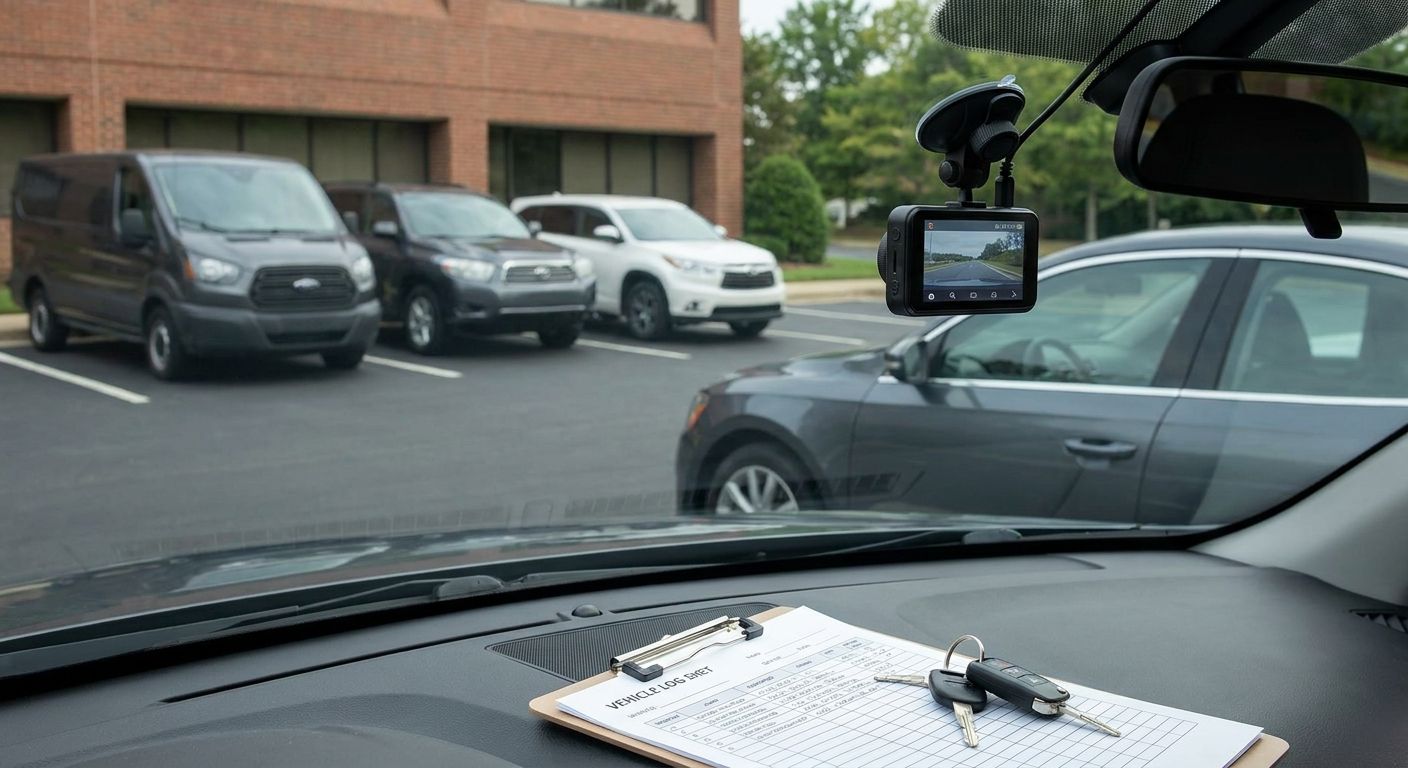

Earned Recognition status from DVSA cuts the number of roadside stops your HGVs face and signals to customers and the Traffic Commissioner that your fleet runs on properly audited compliance data — this guide covers exactly what an approved auditor checks and how to get your operation ready before you apply.
- A DVSA earned recognition audit checks four KPIs: MOT pass rate, roadworthiness, traffic offences and tachograph compliance — get 12 months of clean records before applying.
- Operators need an approved Information Collection Provider (ICP) submitting monthly management information once accepted onto the scheme.
- Fix driver defect reporting gaps first — unresolved defects are the most common reason an initial audit stalls in 2026.
- Automated driver hours and tachograph monitoring turns a manual spreadsheet exercise into a same-day audit pass.
Why this matters
Earned Recognition isn't a badge for the wall — it's a direct trade with DVSA. You hand over monthly management information through an approved ICP, and DVSA reduces the frequency of roadside and premises checks on your vehicles. For HGV operators running to tight delivery windows, fewer stops mean fewer missed slots and fewer hours lost to compliance friction.
Getting there means your HGV operator licence compliance requirements have to already be in order before an auditor even books a date. DVSA's approved auditors work from documented KPIs, not gut feel, so the prep work is mechanical: pull the records, fix the gaps, prove the process runs without you standing over it.
What you'll need
- 12 months of MOT test history for every vehicle in scope, including first-time pass/fail data
- Maintenance records showing scheduled inspection intervals were actually met, not just planned
- Tachograph and driver hours data covering the same 12-month period
- A documented defect reporting process drivers actually use
- Traffic offence and conviction records for the operating centre
- An approved Information Collection Provider (ICP) relationship, or a plan to get one in place
- Telematics or fleet management software capable of exporting the above without manual re-entry
The steps
1. Confirm you're eligible before you spend a day on this
Earned Recognition is built for HGV operators with an established compliance history — new operating centres or fleets with recent enforcement action against them get rejected at the door. Check your operator licence status and any Traffic Commissioner correspondence from the last 12 months before you commit resource to an application.
Common mistake: applying while a public inquiry or licence condition is still open. Resolve that first.
2. Pull 12 months of maintenance and MOT data into one place
DVSA's published KPI for MOT initial pass rate sits at 90% — vehicles failing more than that on first attempt flag your fleet as a risk before an auditor reads a single maintenance sheet. Pull every MOT result, first-time pass or fail, for the last 12 months across every vehicle in scope.
Cross-check this against your maintenance schedule. If inspections happened later than planned, or records exist only as paper in a filing cabinet, that's your first fix. Fleet management software that logs service intervals automatically removes the guesswork here — manual spreadsheets are where most operators lose points before the audit even starts.
3. Get driver hours and tachograph monitoring into a system, not a shoebox
Tachograph infringements are one of the four KPIs DVSA's auditors score, and they want to see a pattern of monitoring, not a single clean download you pulled the week before the visit. Run driver hours compliance software that flags infringements automatically and stores the history for the full audit window.
Common mistake: treating tachograph downloads as a once-a-month admin task. Auditors ask for evidence you act on infringements when they happen, not weeks later.
4. Fix your driver defect reporting process
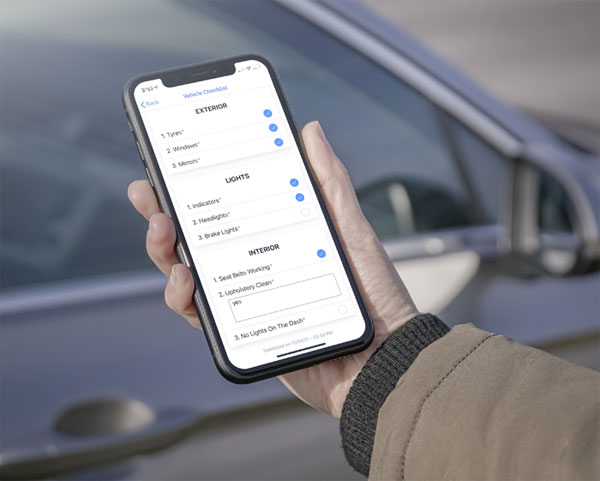
A defect reported and closed out on record is worth more to an auditor than a fleet with no defects logged at all — zero defects usually reads as drivers not reporting, not as a fleet in perfect condition. Set up driver defect reporting that drivers can complete from a phone before every journey, with a clear escalation path to a workshop booking.
Expected outcome: a defect log where every entry shows a report date, an action, and a close-out date. That paper trail is what gets scored.
5. Run a mock audit against the four KPIs yourself
Before DVSA's approved auditor sets foot on your operating centre, run the same checks internally: MOT pass rate, roadworthiness inspection compliance, traffic offence history, and tachograph infringement rate. Score each one against the published thresholds and flag anything under target.
This step catches the gaps that cost operators a failed initial audit in 2026 — usually one or two vehicles dragging the fleet average down, not systemic failure across the whole operation.
6. Book the initial audit through an approved ICP
Once your KPIs are clean, register with an approved Information Collection Provider (ICP) — this is the body that collects and submits your monthly management information to DVSA once you're accepted. The ICP relationship isn't optional; DVSA won't accept manual submissions outside this channel.
Book your initial audit once the ICP connection is live and your 12 months of data is exportable in the format the auditor expects.
7. Keep submitting after you pass
Earned Recognition status isn't permanent on the strength of one good audit. Monthly MI submissions through your ICP have to keep showing the same KPI performance, or DVSA can review and remove your status. Build the monitoring habit now so it doesn't slip once the pressure of the initial audit is gone.


Troubleshooting
MOT pass rate is under 90% and dragging down the whole fleet. Isolate which vehicles are failing and why — if it's the same fault type repeating, that's a maintenance schedule problem, not a bad-luck cluster. Fix the schedule before you reapply, not the individual vehicle.
Tachograph data shows gaps between downloads. Manual downloads get missed when drivers change routes or vehicles get swapped between depots. Automated remote tachograph downloads close this gap without relying on someone remembering a USB stick.
Defect log shows zero reports for months. This almost never means a defect-free fleet — it means drivers aren't reporting. Retrain on the reporting process and check the app or form is actually accessible from a cab, not buried in an intranet page nobody opens.
Traffic offence history includes an unresolved conviction. DVSA auditors want to see what changed after the offence, not just that it happened. Document the corrective action — retraining, policy change, vehicle fix — and have it ready to show.
ICP submission format doesn't match what your fleet software exports. Confirm the export format with your ICP before the initial audit date, not during it. A mismatched file format is an avoidable delay, not a compliance failure, but it still costs you time.
Tools and resources
- HGV operator licence compliance requirements — the baseline checklist before you apply for Earned Recognition
- Commercial vehicle tracking for HGV operators — for exportable location and usage data auditors accept
- An approved Information Collection Provider (ICP) — required for monthly MI submission once accepted
- Your operating centre's Traffic Commissioner correspondence from the last 12 months
- Driver hours and tachograph software that stores infringement history, not just live data
What to do next
Once your KPIs are clean and your ICP relationship is live, the ongoing work shifts from audit prep to maintenance discipline. Set up preventative maintenance scheduling so your MOT pass rate and inspection compliance stay above the 90% threshold between audits, not just on the day one happens.
FAQ
What is a DVSA earned recognition audit?
A DVSA earned recognition audit is an assessment by an approved auditor checking an HGV operator's MOT pass rate, roadworthiness, traffic offence history and tachograph compliance against published KPIs. Passing gets the operator fewer roadside and premises checks from DVSA.
How long does it take to prepare for a DVSA earned recognition audit?
Preparation depends on how clean your existing 12 months of maintenance and driver hours records already are. Operators with automated tracking and defect reporting in place move faster than those pulling records from paper files.
What is the MOT pass rate threshold for earned recognition?
DVSA's published KPI sets the initial MOT pass rate target at 90%. Vehicles failing more than that on first attempt across the fleet flag a risk before the auditor reviews anything else.
Do I need an ICP for DVSA earned recognition?
Yes, an approved Information Collection Provider (ICP) is required to submit monthly management information to DVSA once your fleet is accepted onto the scheme. DVSA does not accept manual submissions outside this channel.
Can a fleet with a recent traffic offence still apply for earned recognition?
A recent offence doesn't automatically disqualify an operator, but auditors expect documented corrective action showing what changed afterward. An open public inquiry or active licence condition typically blocks an application until it's resolved.
What happens after passing a DVSA earned recognition audit?
Status isn't permanent — operators keep submitting monthly MI data through their ICP, and DVSA can review or remove status if KPI performance drops. Ongoing monitoring matters as much as the initial pass.
Is earned recognition only for HGV operators?
The scheme is built around HGV operator licences and the compliance data tied to them, including tachograph and driver hours records. Mixed fleets with vans alongside HGVs still need the HGV-specific KPIs met for the vehicles in scope.
What's the most common reason an initial DVSA audit fails?
Gaps in driver defect reporting and inconsistent tachograph download history are the most common reasons an initial audit stalls in 2026. Both are process fixes, not equipment failures, and both are fixable before reapplying.
One last thing
The fleets that clear a DVSA earned recognition audit on the first attempt almost always share one habit: they run the same monitoring process every month, audit or no audit, rather than tidying records in the weeks before a visit. That consistency is what an ICP submission actually measures over time — not a single good month.