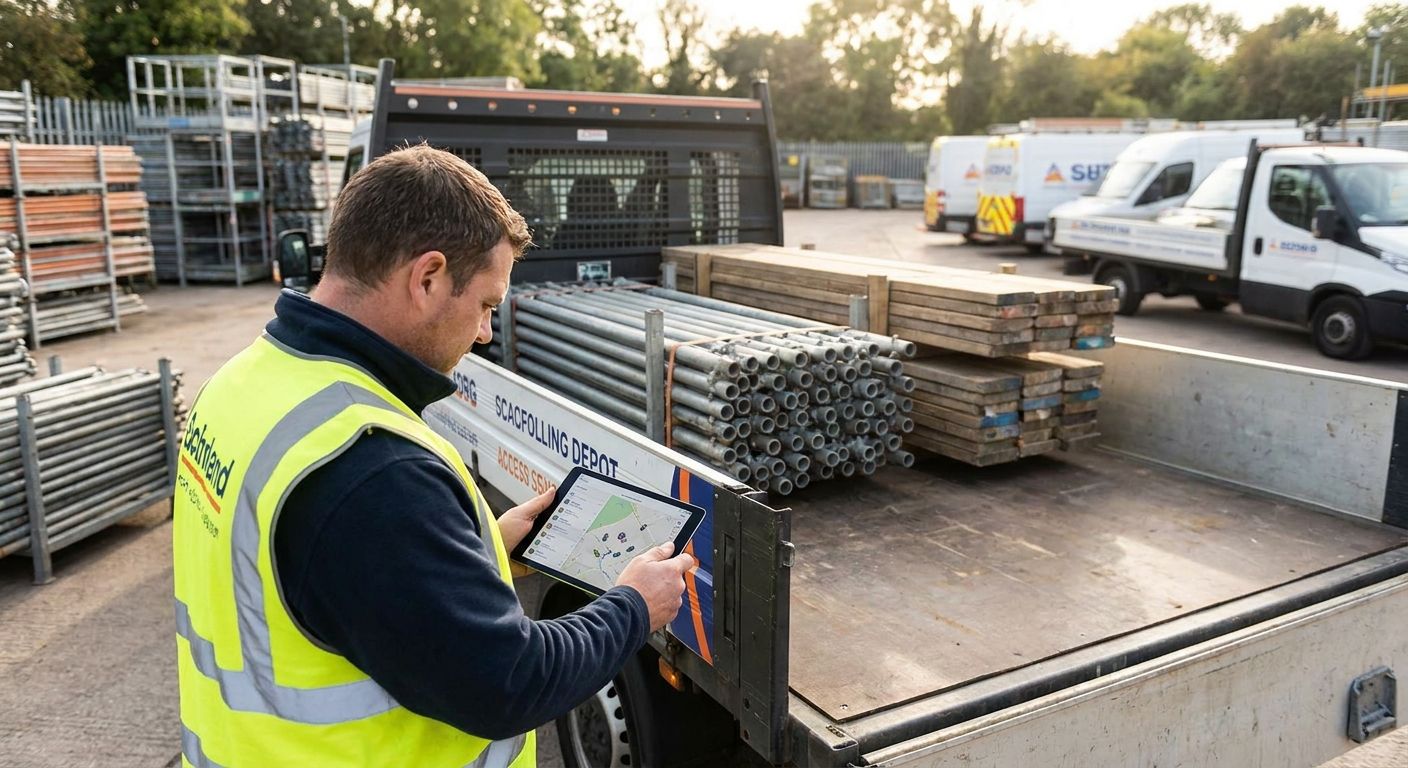
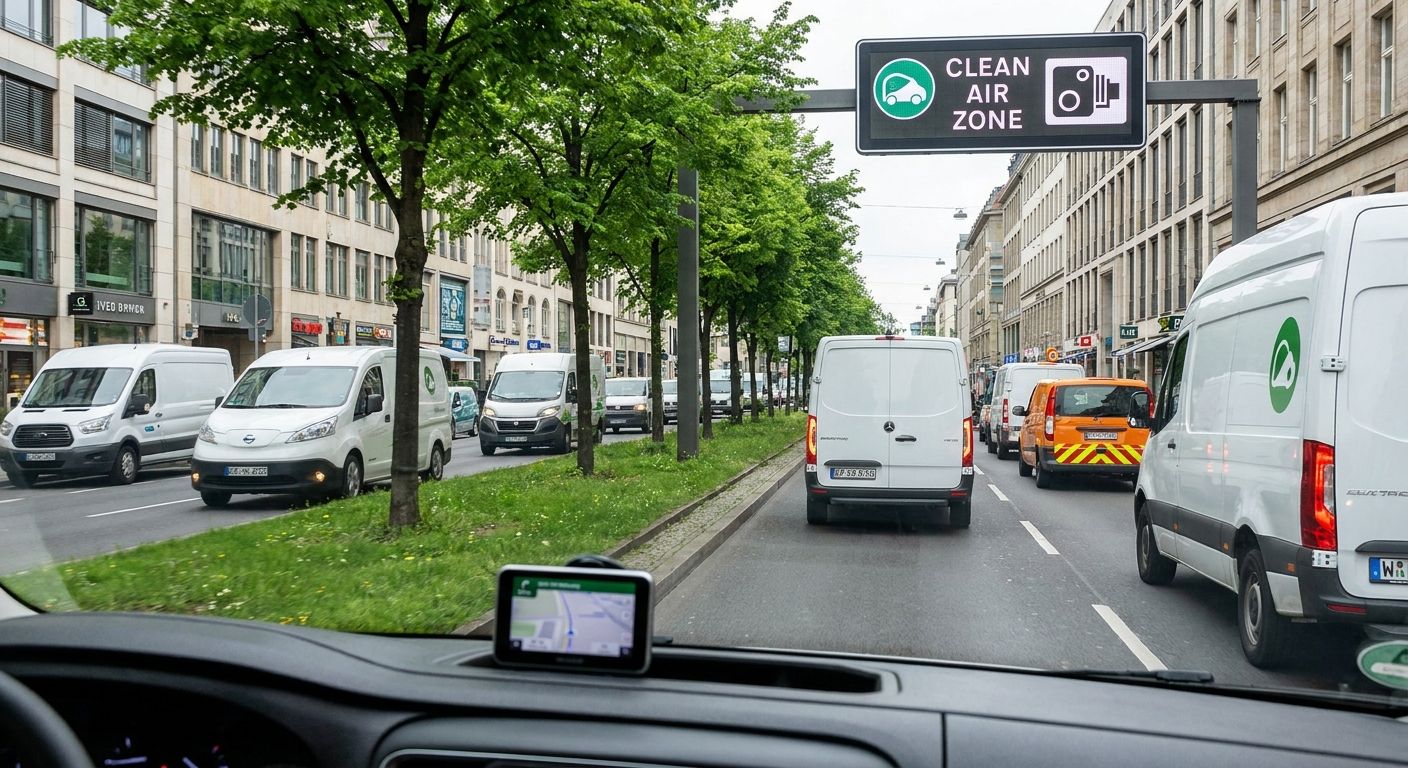
City fleets running vans and HGVs through UK Clean Air Zones face daily charges, penalty notices, and compliance headaches that basic satnav can't solve. Vehicle tracking built for Clean Air Zone compliance flags non-compliant vehicles before they cross a zone boundary, not after a penalty charge notice lands.
- GPS fleet tracking with polygon geofencing on Clean Air Zone boundaries wins for city fleets in 2026 — buy it.
- Circular-radius trackers and basic theft-only units miss zone-specific alerts — skip them for clean air zone compliance fleet management.
- Mixed EV/diesel fleets need engine-data telematics to flag non-compliant vehicles before they enter a 2026 CAZ.
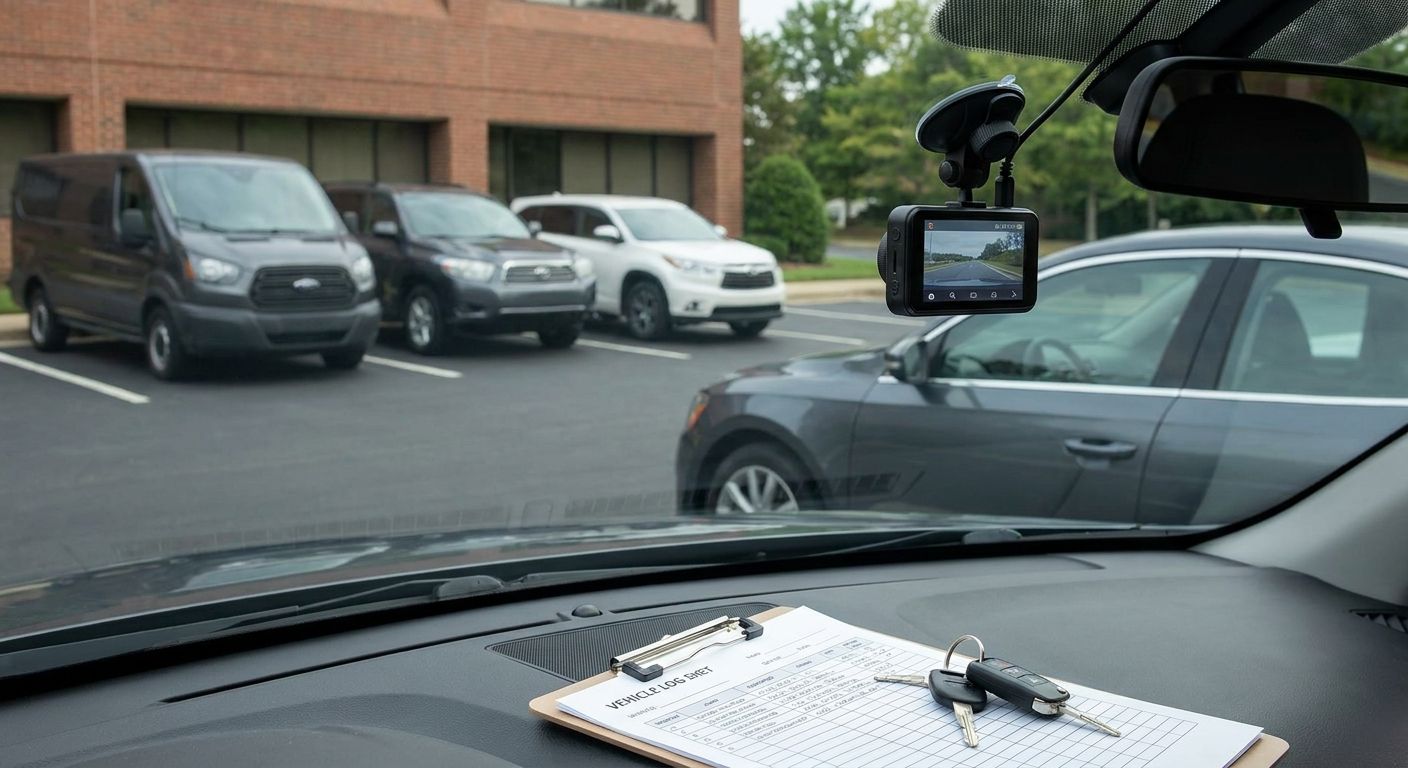
- 4G dash cam footage backs up penalty charge notice disputes when ANPR misreads a plate at a zone boundary.
Why this matters
Birmingham's Class D Clean Air Zone charges £8 a day for non-compliant cars and vans and £50 a day for non-compliant HGVs, buses, and coaches. Bristol's zone runs £9 a day for cars, vans, and taxis and £100 a day for HGVs and buses. London's ULEZ sits at £12.50 a day. Run ten non-compliant vans through Birmingham for a month and that's £2,400 in daily charges alone, before any penalty notices for missed payments.
A Crystal Ball vehicle tracking platform built around zone boundaries turns that into a solvable problem: flag the vehicle, reroute it, or swap it for a compliant unit before it crosses the line. Basic GPS trackers built for theft recovery weren't designed for this job, and that gap is where fleets bleed money in 2026.
Who this is for
This guide is for fleet managers at SMEs and local government bodies running cars, vans, or HGVs into or through a UK Clean Air Zone — council depot managers, waste and recycling operators, taxi and private hire firms, and any SME with delivery vans crossing Birmingham, Bristol, Bradford, Sheffield, Portsmouth, or London on a routine basis. If your fleet mixes Euro 6 diesel with electric vehicles, or you're mid-transition to EVs, the stakes are higher because compliance status varies vehicle by vehicle.
What to look for in clean air zone compliance fleet tracking
Polygon geofencing on the actual zone boundary
A circular geofence with a fixed radius doesn't match a CAZ boundary, which follows roads, not a compass point. Polygon geofencing draws the alert zone to the published boundary published by the local authority, so alerts fire only when a vehicle actually enters the charged area.
Vehicle-level emissions and compliance profile
The system needs to know each vehicle's Euro standard, fuel type, and registration against the zone's charging rules, not just its GPS position. Without this, a fleet manager can't tell which of 40 vans are compliant and which are about to trigger a daily charge.
Real-time alerts, not end-of-day reports
A report that lands the next morning is too late to reroute a driver. Live alerts, ideally with a push notification to the driver's phone or the manager app, let dispatch redirect a non-compliant vehicle before it enters the zone.
Evidence trail for disputing penalty charge notices
ANPR cameras misread plates, especially in poor light or heavy traffic. GPS logs with timestamps, paired with dash cam footage, give a fleet manager hard evidence to dispute a wrongly issued PCN rather than paying it and moving on.
Support for mixed EV and diesel fleets
Fleets transitioning to electric don't flip a switch overnight. Telematics that tracks engine type alongside route data lets a manager see exactly which vehicles in a 60-strong mixed fleet still trigger charges and prioritise those for replacement first.
Council reporting and audit trail
Local government fleets need data that stands up to audit: mileage inside the zone, charge days incurred, and compliance rate by vehicle class. A system that exports this cleanly saves hours at year-end reporting.
Top picks for clean air zone compliance fleet tracking
The council-fleet fix. GPS fleet tracking for local council fleets is built around exactly this problem: polygon geofencing on published zone boundaries, live vehicle-level alerts, and reporting formatted for council audit. On a fleet of 150 vehicles, that's the difference between catching a non-compliant refuse truck before it crosses into a Class C zone and finding out from a penalty notice three weeks later. Buy if you run a mixed local authority fleet through any UK CAZ.
The transition play. Managing a mixed EV and diesel fleet with telematics is the pick for any SME or council mid-way through electrifying its fleet. It logs engine type against every journey, so a manager can see which of the remaining diesel vans are racking up daily charges in Bristol's £100-a-day HGV band and prioritise those for replacement. Buy if your fleet is anywhere between 20% and 80% electrified.
The evidence pick. 4G dash cams for taxi and private hire fleets give continuous, timestamped footage that lines up against GPS location data, useful when an ANPR camera misreads a plate at a zone boundary and issues a charge to the wrong vehicle. Consider this if your fleet operates in high-traffic zones like central London or central Birmingham where misreads are more common.
The theft-tracker mismatch. A standard Thatcham S7 tracker at £198 does 24/7 theft monitoring and insurance-approved recovery, which is valuable for security but wasn't built to flag zone crossings. It has no polygon geofencing tied to CAZ boundaries and no emissions-profile logging. Skip it as your primary tool for clean air zone compliance fleet management — pair it with a zone-aware system instead, don't replace one with the other.
Verdict comparison
| Pick | Geofence type | Alert speed | Best for | Verdict |
|---|---|---|---|---|
| Council fleet GPS tracking | Polygon, boundary-matched | Real-time | Local authority fleets, 50+ vehicles | Buy |
| Mixed EV/diesel telematics | Polygon + engine data | Real-time | Fleets mid-transition to EV | Buy |
| 4G dash cam (taxi/PHV) | None (visual evidence) | Live-streamed | PCN disputes, taxi/PHV | Consider |
| Thatcham S7 theft tracker | Circular, basic | 24/7 monitoring | Theft recovery, not zone alerts | Skip for CAZ use |
What to avoid
- Circular-radius geofences sold as "zone alerts." They trigger late or not at all against an irregular CAZ boundary, which means the vehicle is already inside and charged before anyone gets a notification.
- Trackers with no vehicle emissions or Euro standard field. GPS position alone doesn't tell you if a vehicle is compliant. You need both, or you're manually cross-referencing a spreadsheet every morning.
- Systems with a data lag over 15 minutes. By the time an alert lands, the van has already crossed the boundary and the charge has already applied. For HGV operators specifically, checking wider operator licence compliance requirements alongside zone tracking closes this gap properly.


FAQ
What is a Clean Air Zone and which UK cities have one in 2026?
A Clean Air Zone is a defined urban area where vehicles below a set emissions standard pay a daily charge or face a penalty notice. In 2026, active zones include London (ULEZ), Birmingham, Bristol, Bradford, Sheffield, Portsmouth, and Tyneside.
Does vehicle tracking help with Clean Air Zone compliance?
Yes, vehicle tracking with polygon geofencing flags a non-compliant vehicle before it crosses a zone boundary, letting a fleet manager reroute it or swap the vehicle. Basic GPS trackers without zone-boundary geofencing don't offer this.
How much does entering a non-compliant vehicle into a CAZ cost in 2026?
Birmingham charges £8 a day for non-compliant cars and vans and £50 a day for HGVs and buses. Bristol charges £9 a day for cars and vans and £100 a day for HGVs. London's ULEZ is £12.50 a day.
What's the difference between geofencing and ANPR for CAZ enforcement?
Geofencing is a fleet operator's own alert system that flags a vehicle crossing a zone boundary in real time. ANPR is the local authority's camera-based enforcement system that reads plates and issues charges, and it can misread plates in poor conditions.
Can dash cam footage help dispute a Clean Air Zone penalty charge notice?
Yes, timestamped 4G dash cam footage paired with GPS logs gives concrete evidence of a vehicle's actual location and plate, which fleet managers use to dispute a wrongly issued charge from a misread ANPR capture.
Is GPS tracking mandatory for CAZ compliance?
No, GPS tracking isn't a legal requirement for Clean Air Zone compliance, but it's the practical tool fleet managers use to avoid daily charges and penalty notices on non-compliant vehicles.
How do I track a mixed fleet of diesel and electric vehicles for CAZ purposes?
Telematics that logs engine type and Euro standard against every journey, alongside location, lets a manager identify which vehicles in a mixed fleet still trigger charges and prioritise those for replacement.
What's the best vehicle tracking system for local council fleets running through Clean Air Zones?
A system with polygon geofencing matched to the council's published CAZ boundary and audit-ready reporting is the best fit for local authority fleets, since it covers both real-time alerts and year-end compliance reporting.
One last thing
The fleets that actually cut their Clean Air Zone costs in 2026 aren't the ones with the most expensive tracker — they're the ones that cross-reference vehicle emissions data against a live geofence, because that's the only combination that catches a non-compliant van before the charge applies. A £198 theft tracker won't do that job no matter how good its monitoring centre is.