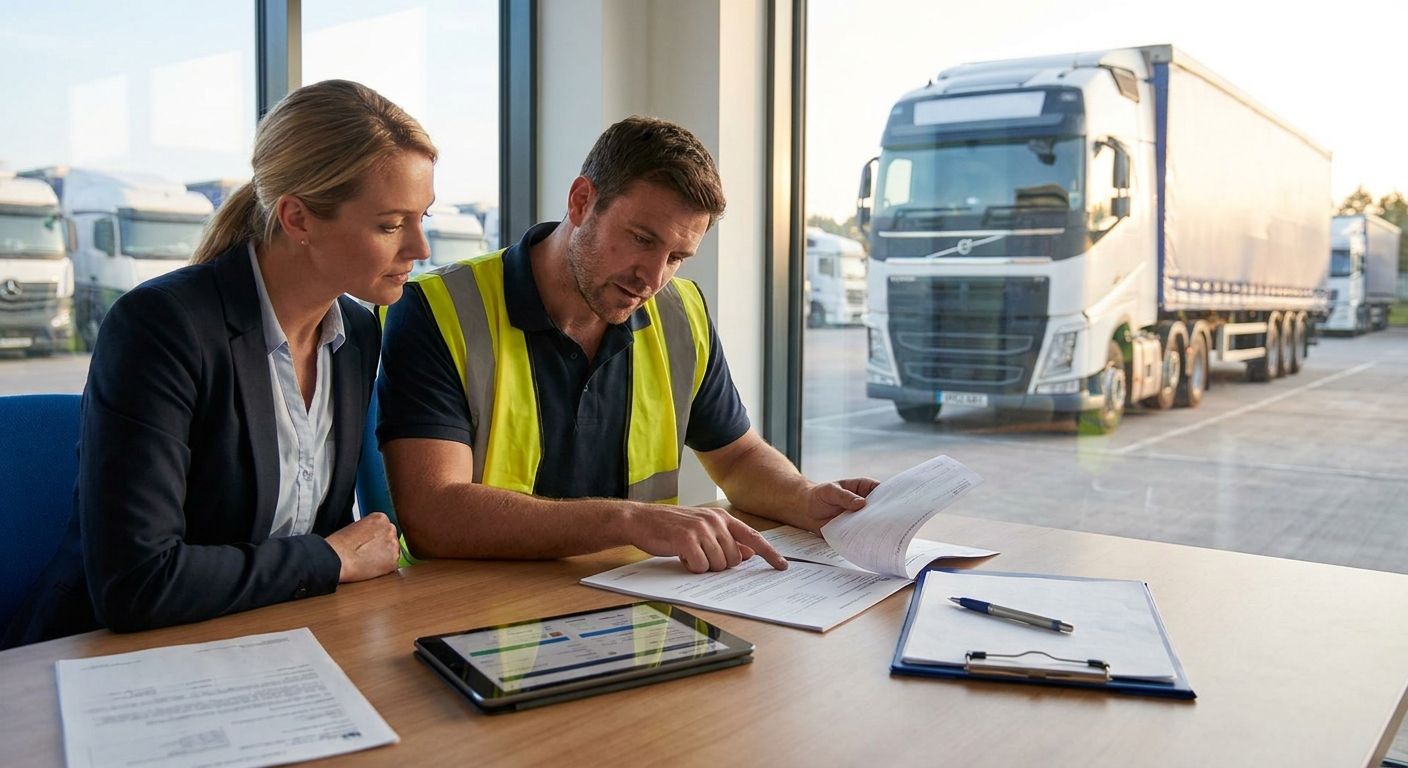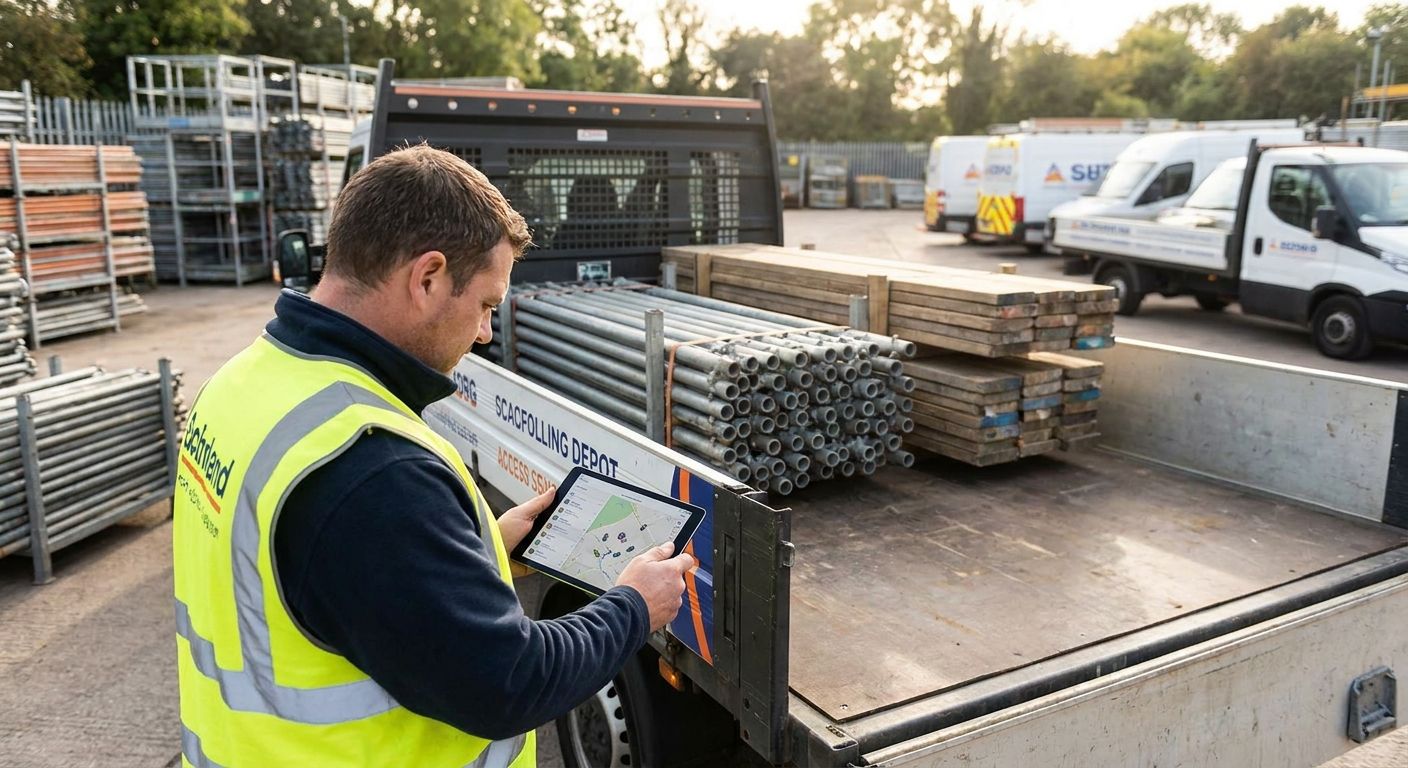
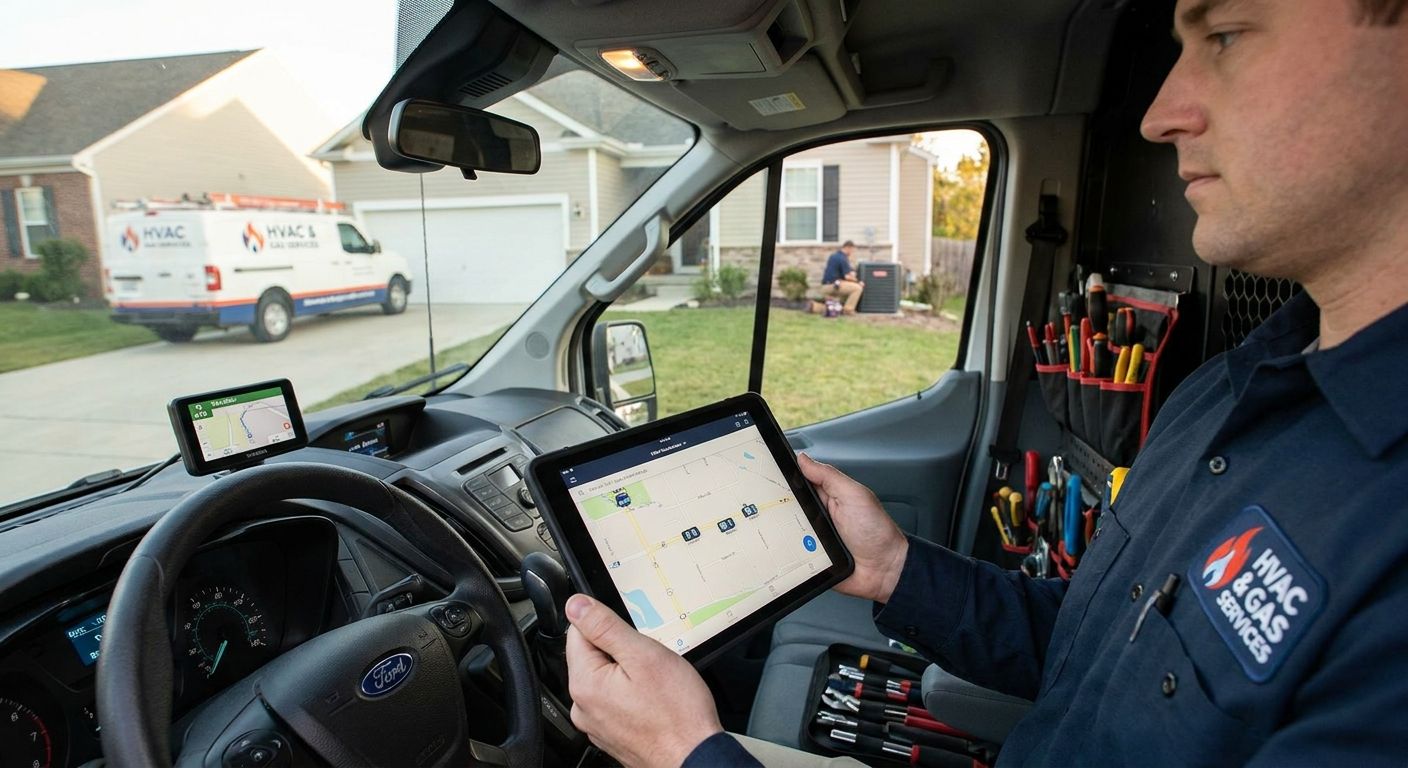
HVAC and gas engineer callout vans run a different job to a delivery fleet: fewer drops, higher-value tools on board, and engineers who spend real time alone inside customer properties. Vehicle tracking for HVAC and gas engineers has to account for all three, not just tell you where the van is.
- Thatcham S7 tracking at £198 covers standard callout vans that need insurance-approved theft monitoring in 2026.
- Engineers working solo in customer homes need a lone worker app alongside vehicle tracking hvac gas engineers rely on for van location.
- 4G dash cam footage settles false liability claims from customers faster than any written statement.
- Skip trackers with no Thatcham accreditation — insurers won't discount premiums without one in 2026.
Why this matters
A gas engineer's van is a rolling stockroom: boiler parts, diagnostic tools, sometimes several thousand pounds of copper and controls stacked behind the seats. That makes callout vans a theft target, and it's why insurers price them differently depending on what security is fitted. Vehicle tracking for HVAC and gas engineers isn't a nice-to-have dashboard feature — it's the difference between a 20-minute recovery after a break-in and a written-off day of missed appointments.
The second issue is liability. An engineer working alone on a boiler in someone's kitchen has no colleague to back up their account if a customer disputes what happened, or if a parking or minor collision claim gets contested afterwards. Tracking data and dash cam footage do that job instead.
Who this is for
This guide is built for the operations manager or owner running 3 to 40 vans doing gas safety checks, boiler servicing, HVAC installs, or emergency callouts — businesses where the engineer is often the only person on site and the van carries kit worth protecting. If you're managing a single van, the calculus is simpler; if you're running HGVs on long-haul routes, commercial vehicle tracking for HGV operators covers a different set of priorities.
What to look for in vehicle tracking for HVAC and gas engineers
Thatcham-approved security rating
Insurers only discount premiums for trackers carrying a recognised Thatcham category. A callout van without one pays full premium regardless of how good the GPS chip inside actually is. This single spec decides whether the tracker pays for itself through lower insurance or just sits there as an expense.
Live location tied to job scheduling
Callout fleets live and die on ETA accuracy. A customer told "the engineer is 12 minutes away" needs that to be true, and dispatch needs to see which van is genuinely closest to the next emergency job, not just which one is theoretically on rota. Static end-of-day reporting doesn't help a business that reroutes vans five times before lunch.
Lone worker protection
Gas engineers spend unsupervised time inside strangers' homes, often in confined spaces like lofts or under-stair cupboards. A panic function and check-in schedule on a lone worker app matters as much as the van's location does — the risk isn't only to the vehicle, it's to the person driving it.
4G dash cam footage, not delayed upload
A dash cam that only offloads footage when the van reaches WiFi is useless the moment a customer disputes a call-out charge or claims damage the same afternoon. 4G capability means footage is retrievable within minutes, not at end of shift.
Idle time and multi-stop route data
Callout vans idle constantly — waiting outside a locked property, sat in a driveway while a customer finds their boiler manual. Idle time reporting separates genuine waiting from wasted fuel, and route data flags which postcodes are eating the most drive time across a week.
Driver behaviour scoring
Harsh braking and speeding events feed directly into fleet insurance renewals. A tracker that scores driving style gives you the evidence to negotiate premiums down, not just a number to look at once a month.
Top picks for callout fleets
Thatcham S7 Tracker — the standard-issue pick. Priced at £198, this is the insurance-approved tracker most callout operators fit as default across a mixed van fleet. It carries 24/7/365 monitoring and nationwide on-site installation, which matters when you're onboarding 10 vans in a week rather than one. Verdict: Buy for the bulk of a standard HVAC or gas engineer callout fleet.
Thatcham S5 Plus Tracker — the high-value van pick. At £548, this sits at the top of the range and suits vans carrying expensive diagnostic equipment or serving as mobile parts stores for larger install jobs. The higher security category earns a stronger insurance discount in exchange for the higher upfront cost. Verdict: Consider for the two or three vans in a fleet carrying the most valuable kit; overkill for a van that only holds hand tools.
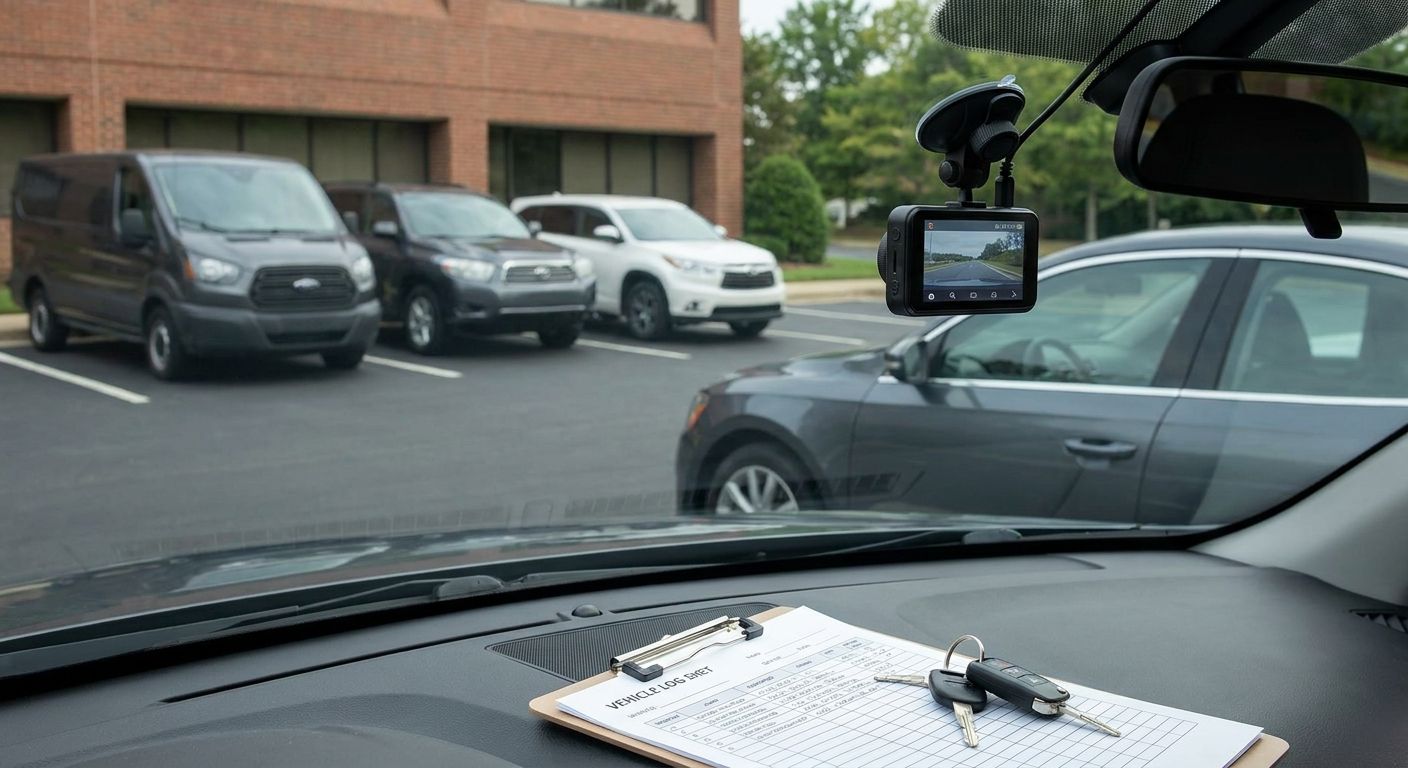
4G Fleet Dash Cams — the dispute-evidence pick. These offload footage over 4G rather than waiting for a WiFi connection, which is the difference between resolving a customer complaint the same day or losing the argument for lack of proof. Fleets that fit dash cams report using footage specifically to dispute false insurance claims after minor collisions on residential streets. Verdict: Buy for any callout fleet doing regular domestic visits.
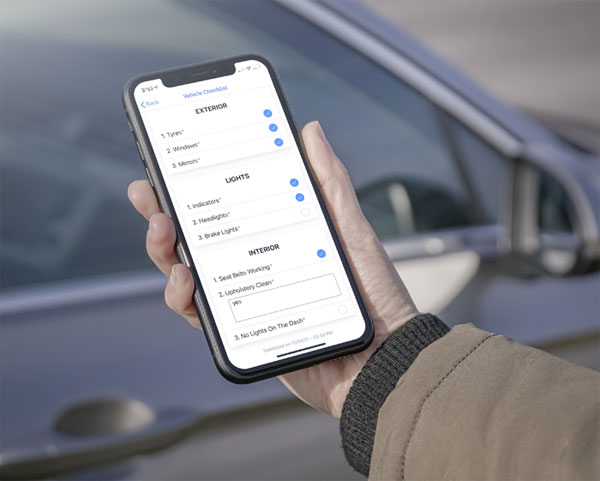
Manager App plus a lone worker layer — the safety pick. The Manager App gives dispatch a live view of every van from a phone or tablet, but callout fleets doing solo domestic visits should pair that with dedicated lone worker cover — the kind detailed for field service engineers working alone. Verdict: Buy if any engineer regularly works unaccompanied inside a property.
Operations that already run plumbing or heating vans alongside gas engineer callouts should also check how the criteria stack up against a plumbing and heating fleet tracking setup — the theft and lone-worker risks overlap almost entirely. Electrical contractor fleets face a near-identical profile too, covered in vehicle tracking for electrical contractors.



What to avoid
- Trackers with no Thatcham accreditation. They might be cheaper upfront, but no insurer discounts a premium for an unrated device, so the saving disappears the first time you renew cover.
- Dash cams that only sync over WiFi. By the time footage reaches a laptop, the customer complaint has already escalated. 4G upload is the feature that actually resolves disputes.
- Tracking with no panic or check-in function. A GPS pin showing a van parked outside a house for 40 minutes tells you nothing about whether the engineer inside is fine.
Verdict comparison
| Option | Best for | Cost | Verdict |
|---|---|---|---|
| Thatcham S7 Tracker | Standard callout vans | £198 | Buy |
| Thatcham S5 Plus Tracker | High-value diagnostic kit vans | £548 | Consider |
| 4G Fleet Dash Cams | Domestic dispute evidence | Quote-based | Buy |
| Manager App + lone worker app | Solo engineer visits | Quote-based | Buy |
| Unrated budget tracker | Nothing insurance-relevant in 2026 | Lower upfront | Skip |
Running insurance renewal numbers against a fitted tracker is worth doing properly rather than guessing — the method for cutting fleet insurance premiums with a vehicle tracking system walks through the actual calculation insurers use.
FAQ
What's the best vehicle tracking for HVAC and gas engineer callout vans?
A Thatcham-approved tracker such as the S7 at £198 covers standard callout vans, with the S5 Plus at £548 justified only for vans carrying high-value diagnostic kit. Pair either with a lone worker app if engineers work solo inside customer properties.
Do gas engineers need a lone worker app as well as vehicle tracking?
Yes, if they regularly work unaccompanied inside customer homes. Vehicle tracking shows where the van is; a lone worker app with a panic function protects the person once they've left the vehicle.
How much does a Thatcham tracker cost in 2026?
Thatcham-rated trackers from Crystal Ball run from £198 for the S7 to £548 for the S5 Plus, depending on the security category. Higher categories typically earn larger insurance discounts.
Is 4G dash cam footage better than standard WiFi-upload footage for disputes?
Yes. 4G dash cams offload footage within minutes rather than waiting for the van to reach a WiFi connection, which matters when a customer disputes a callout charge the same afternoon.
Does vehicle tracking actually lower insurance premiums for callout fleets?
Insurers apply discounts specifically for Thatcham-accredited trackers, not generic GPS devices. An unrated tracker gives you location data but no premium benefit.
How many vans need tracking before it's worth the admin?
Even a 3-van callout fleet benefits, since theft risk and lone-worker exposure exist regardless of fleet size. The admin overhead of a Manager App scales with the fleet, not against it.
What's the difference between vehicle tracking for HVAC engineers and general van tracking?
General van tracking focuses on route efficiency; HVAC and gas engineer callout fleets need that plus lone worker protection and fast-access dash cam footage because engineers work solo inside private properties.
One last thing
The engineers most exposed to lone-worker risk aren't the ones on emergency boiler breakdowns — they're the ones doing routine annual gas safety checks in unfamiliar properties, often the lowest-priority job on the day's sheet and the one dispatch pays least attention to. Fit the panic function before the emergency, not after the first incident report.